
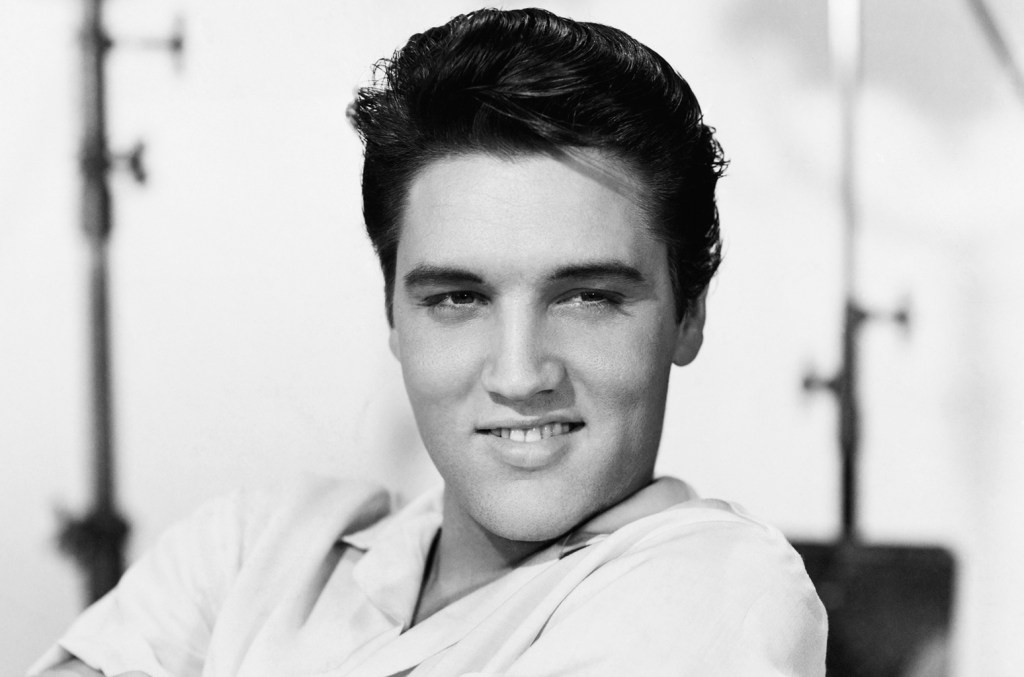
The King is jumping into a long-running legal battle over AI music, but he's doing it in a very different way. Elvis Presley in 1958 on the set of "King Creole." The singer is at the center of a new lawsuit over AI music. John Springer Collection/CORBIS/Corbis via Getty Images When the owners of Elvis Presley’s music sued Suno this week, they joined a battle that major labels and other creatives have already been fighting for years. But they took a different legal approach that could give artists more power to protect their identities. The case, filed on Friday (Nov. 6), claims Suno broke the law by empowering its users to produce AI-generated songs that clone Presley’s iconic voice: “All of the humanity, history, despair and triumph that constitutes Elvis’ identity was stolen,” the case claims, “and is stored on servers and harnessed by Suno to make massive amounts of money.” Related Presley is among the most famous recording artists in history, making his lawsuit a bold new challenge to AI companies. But lawsuits against Suno and other AI labs are not exactly new. Since ChatGPT took the world by storm in late 2022, dozens of cases have been filed by authors, newspapers, visual artists and others that claim AI is ripping off real humans. Those battles center on the legality of AI training — the use of millions of unlicensed works to “train” models to create new ones. They allege that all those “inputs” are covered by federal copyrights, and that exploiting them is thus industrial-scale infringement. The music industry has been at the center of it all since the beginning. Publishers sued Anthropic in 2023 for using lyrics to train Claude, and the three major labels followed up in 2024 with similar cases against Suno and Udio. BMG, Round Hill and Reservoir have since filed their own cases, and Universal Music and Sony Music filed an updated, more aggressive case against Suno in September. The new Elvis case joins that existing fight, but it takes a notably different tack. Although it also invokes copyrights and the use of his songs as training inputs, it mostly focuses on allegations that Suno’s AI-generated outputs violated Presley’s publicity rights — state-level protections that shield a person’s name, image and likeness from commercial exploitation. Related It’s not the first case to raise those claims. Jason Isbell and others sued Suno this summer in a class action lawsuit over alleged violations of their likenesses. But that case centers more on accusations that an artist’s overall identity has been encoded into the AI model, and that their name can be used to prompt Suno to create similar music. The Elvis case instead directly accuses Suno of creating new songs that illegally reproduce “the signature and recognizable aspects” of Presley’s “distinguished voice.” And it relies on what the Elvis lawyers think is smoking-gun evidence: Video exhibits capturing Suno’s platform playing songs featuring a voice that sounds just like The King. “Those … are NOT examples of Elvis Presley singing. They are synthetic and unlicensed uses of Elvis’ voice and likeness,” the lawsuit reads. “There are hundreds to thousands more like it.” When it comes to AI litigation, the copyright cases like those filed by the major labels are still likely going to be the main event. They pose an existential risk to AI labs, which have suggested in court filings and regulatory disclosures that AI models in their current form essentially wouldn’t be feasible if they’re required to pay for the millions of training inputs used to create them. But the Elvis case, if successful, could give individual artists a new route to fight the use of AI models mimicking their voices, one of the technology’s most controversial applications. It could also give musicians lucrative leverage in negotiations over the kinds of AI licensing deals that labels have started to ink over the past year. Even if unsuccessful, the new case could prompt broader action to safeguard artists. Related The Elvis case invokes the ELVIS (Ensuring Likeness Voice and Image Security) Act, a Tennessee state law enacted in 2024 to address the rise of AI. That’s because no such protections exist at the federal level, where lawmakers have tried and failed for three years to pass legislation known as the NO FAKES Act that would ban digital replicas of someone’s voice or visual likeness. In the absence of such laws, stars like Taylor Swift, the Backstreet Boys and Lionel Richie have started trying to register trademarks on their voices, but experts say those efforts face serious challenges. The very fact that they’re attempting such an imperfect solution underscores the current lack of effective legal protections for voices and other elements of an artist’s identity. In that context, the King of Rock and Roll has now jumped into the fray, with a legal case that will test how much existing laws can stop AI companies from using someone’s voice. If it comes up short, expect the clamor for new laws to get that much louder. Daily newsletters straight to your inbox Sign Up More From Pro
The Elvis AI Lawsuit, Explained
Full Article
Original Source
Read the full article at Billboard →KhanList aggregates and links to publicly available news content. We do not host full articles from third-party sources. Always verify important information with original sources.