
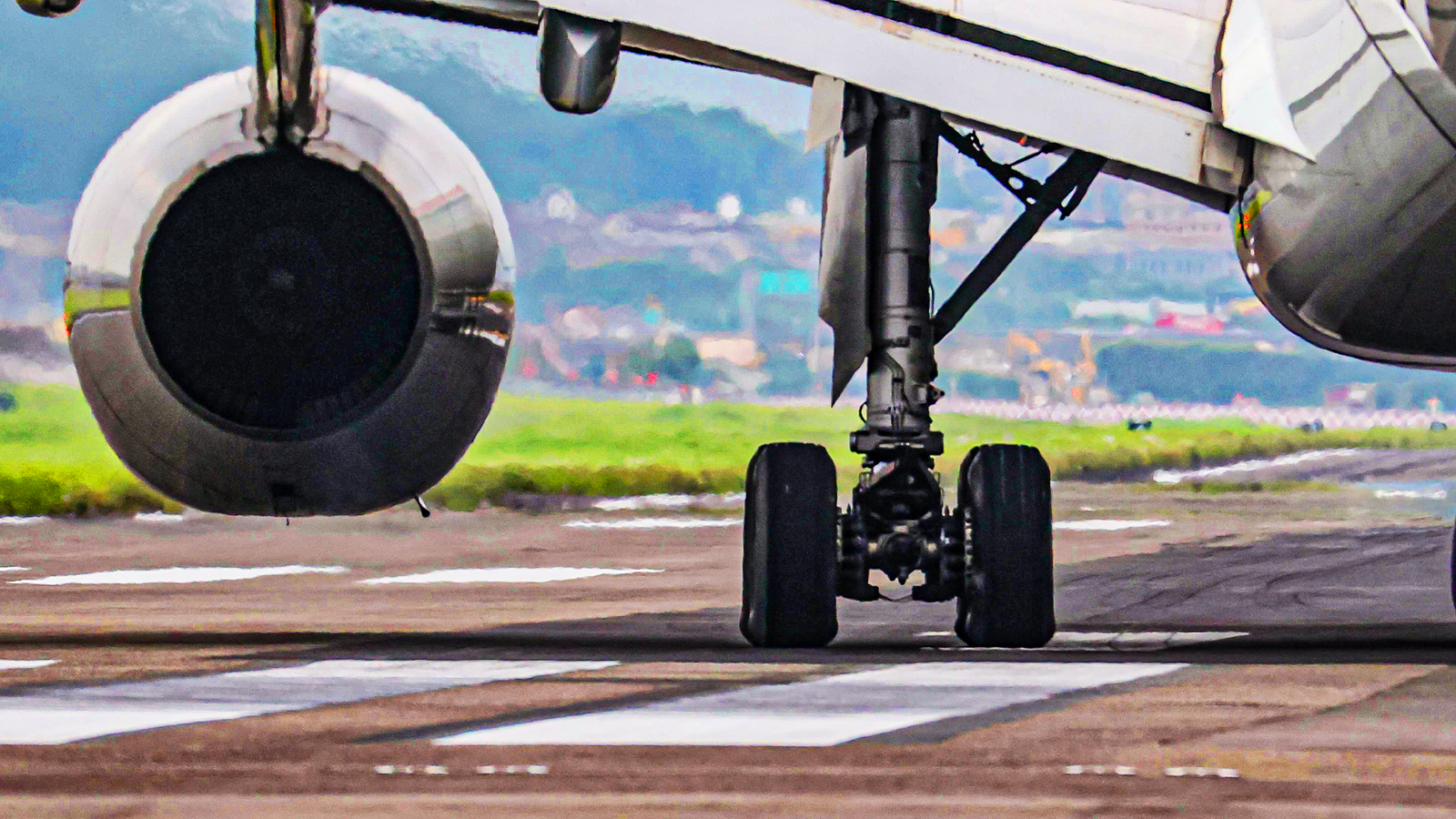
Published Nov 8, 2026, 6:00 PM EST Journalist - Steven has a varied background in communications, and it was this passion for writing combined with his in-depth knowledge of the aviation industry that led him to Simple Flying. A keen linguist, he also has experience in translation and interpreting. Based in Palma, Spain Every time a passenger jet touches down, its tires leave behind a small amount of rubber on the runway. Although this is a normal part of aircraft operations, thousands of landings can eventually create a significant buildup, especially where aircraft first make contact with the runway. Over time, these deposits can reduce the surface friction that aircraft tires need to slow down safely. For airports, removing this accumulated rubber is an important part of routine runway maintenance, helping preserve braking performance, reduce the risk of hydroplaning, and maintain safe operating conditions in different weather. The process involves specialized equipment, careful monitoring, and carefully scheduled maintenance windows, with airports needing to balance effective cleaning against the possibility of damaging the pavement itself. Why Aircraft Tires Leave Rubber Deposits Behind Credit: Airbus When an aircraft lands, its tires initially make contact with the runway while rotating at a relatively low speed, then rapidly accelerate to match the aircraft's forward movement. This sudden change creates considerable friction between the tires and the pavement, causing small quantities of rubber to wear away and transfer onto the runway surface. The deposits are particularly concentrated in the touchdown zone, where aircraft wheels first contact the pavement during landing. This area generally extends approximately 150 to 450 meters beyond the runway threshold, although the precise distribution depends on aircraft performance, landing techniques, and operational conditions. Although individual landings leave relatively little rubber behind, the cumulative effect becomes significant at busy airports handling hundreds of aircraft movements every day. Heavier aircraft such as the Airbus A380 or Boeing 747 can contribute particularly substantial deposits because their tires experience considerable forces during touchdown, making runways frequently used by widebody jets especially important maintenance priorities. The rubber gradually becomes embedded in the pavement's surface texture, particularly when the heat generated during touchdown helps bond the material to the runway. As additional aircraft land, successive layers accumulate, eventually filling small surface irregularities and runway grooves that would otherwise help provide the friction needed for effective aircraft braking. How Rubber Buildup Affects Aircraft Braking Performance Credit: Bjoern Wylezich | Shutterstock Runway pavement is designed to provide sufficient friction between aircraft tires and the ground, allowing pilots to reduce speed after touchdown while maintaining directional control. Its surface texture plays an important role in this process, helping tires maintain contact with the pavement rather than sliding across a smoother, potentially slippery surface. When rubber deposits accumulate, they gradually cover the microscopic texture of the pavement and can obstruct the grooves cut into some runway surfaces. This reduces the ability of the runway to provide consistent friction, potentially making it harder for aircraft to slow down, particularly when braking conditions are already challenging. The problem becomes especially important during wet weather, when water collects between aircraft tires and the runway. Properly maintained pavement texture and grooves help channel water away from the contact area, reducing the possibility of hydroplaning, a condition in which tires lose effective contact with the surface and braking performance deteriorates. Research and airport maintenance observations have highlighted how substantial this deterioration can become in heavily contaminated touchdown zones, where friction levels may be 15% to 30% lower than elsewhere on the runway. Consequently, rubber removal is not simply an appearance-related maintenance task but an important measure for preserving the conditions required for safe aircraft operations. How Airports Monitor Runway Friction Levels Credit: AV8 Photos | Shutterstock Airport operators do not generally wait until rubber deposits become visibly excessive before arranging maintenance. Instead, they use specialized friction-measuring equipment to evaluate runway surface conditions, identifying areas where accumulated contamination or pavement deterioration could affect aircraft braking performance. The US Federal Aviation Administration (FAA) provides guidance through its Advisory Circular 150/5320-12 series, which addresses the measurement and maintenance of skid-resistant airport pavement surfaces. The guidance considers factors including aircraft movements, pavement characteristics, and the condition of the runway when determining how frequently friction assessments should take place. Inspection frequency increases with the number of daily jet landings. The guidance describes annual measurements for runway ends receiving fewer than 15 daily jet landings, quarterly assessments for those receiving between 31 and 90, monthly assessments for 91 to 150, and weekly measurements where traffic exceeds 210 daily landings. Aircraft size is another consideration because widebody jets can contribute more substantial rubber deposits than smaller aircraft. The FAA guidance recommends increasing inspection frequency by one level when widebody aircraft account for more than 20% of landings on a particular runway end. When measurements indicate inadequate friction, airports can arrange rubber removal before considering more extensive pavement rehabilitation. The Different Methods Used To Remove Runway Rubber Credit: Austin Deppe I Shutterstock There are several ways airports can remove accumulated rubber, with the appropriate approach depending on the pavement material, the severity of contamination, and the condition of the runway. The FAA identifies high-pressure water, chemical solvents, high-velocity impact using abrasive materials, and mechanical grinding among the available removal techniques. High-pressure waterblasting is one of the most widely used methods because it can remove stubborn deposits without necessarily damaging the underlying pavement. Specialized vehicles direct powerful streams of water onto contaminated areas, breaking away the rubber and exposing the original surface texture and grooves beneath the accumulated material. Chemical treatments provide another option, either as a standalone technique or in combination with waterblasting. Certain solvents help loosen rubber deposits, making them easier to remove, although airports must carefully consider chemical handling, environmental requirements, and the compatibility of cleaning products with runway materials and painted markings. Mechanical grinding and abrasive techniques can also remove difficult deposits, but they require careful control because excessive treatment could affect the pavement itself. The objective is not to remove layers of runway material but to restore the existing surface texture, ensuring that cleaning operations improve friction without creating additional maintenance problems. How High-Pressure Waterblasting Works At Busy Airports Credit: Qantas High-pressure waterblasting is particularly useful at major airports because it can cover substantial runway areas while targeting rubber deposits in the touchdown zone. The cleaning vehicles are equipped with specialized spraying systems that direct water onto the pavement at carefully controlled pressures, lifting accumulated rubber while preserving the underlying concrete or asphalt. A notable example can be found at New York LaGuardia Airport (LGA), where rubber removal operations have been organized around the airport's demanding operating schedule. In one documented operation, a contractor used equipment capable of spraying water at approximately 17,000 to 20,000 pounds per square inch, sometimes combining the process with chemical solvents to improve removal effectiveness. The work is generally concentrated into overnight maintenance windows, when fewer aircraft movements make it possible to close sections of runway temporarily without causing unnecessary disruption to flight operations. At LaGuardia Airport, crews working within approximately five-hour windows could clean one touchdown zone measuring around 50 feet (15.24 meters) wide and 3,000 feet (914.4 meters) long during a night's operation. LaGuardia Airport typically sees narrowbody and regional jets, with its largest operator being Delta Air Lines, according to the latest data from the US Bureau of Transportation Statistics: Ranking Airline Market Share 1 Delta Air Lines 42.8% 2 American Airlines 24.7% 3 Southwest Airlines 9.2% 4 United Airlines 8.5% The airport's rubber removal program involves about five to seven cleaning events annually, showing how often the work is needed at a busy facility. Once cleaning is complete, the treated area can be inspected and assessed before returning to normal operations, with maintenance teams checking that the pavement has been adequately restored. Why Rubber Removal Must Not Damage The Runway Credit: d13 | Shutterstock Although removing rubber is essential for maintaining braking performance, the cleaning process introduces another maintenance consideration: protecting the runway pavement from excessive wear. High-pressure water can be extremely effective, but repeated treatments may gradually affect the surface, particularly when equipment operates at unnecessarily high pressures or remains concentrated in one area for too long. A December 2025 study conducted through Iowa State University's Airport Concrete Pavement Technology Program examined best practices for runway rubber removal, including the effectiveness of different cleaning techniques and their potential effects on pavement condition. The research highlighted the importance of balancing successful rubber removal against the possibility of cumulative damage caused by repeated maintenance treatments. One important consideration is equipment calibration, since water pressure, vehicle speed, nozzle positioning, and the number of cleaning passes can all influence the final result. Airport operators and contractors must establish suitable operating procedures for different pavement types, while ensuring that rubber is removed from grooves rather than simply cleared from the exposed surface. The research also examined opportunities to improve waterblasting efficiency by reducing operating pressures while maintaining effective cleaning results. This is particularly relevant for airports that repeatedly treat the same touchdown zones, where preserving pavement integrity can reduce the need for expensive repairs and extend the useful life of existing runway infrastructure.
Why Airports Remove Rubber Deposits From Runways To Keep Jets Braking Safely
Full Article
Original Source
Read the full article at Simpleflying →KhanList aggregates and links to publicly available news content. We do not host full articles from third-party sources. Always verify important information with original sources.