
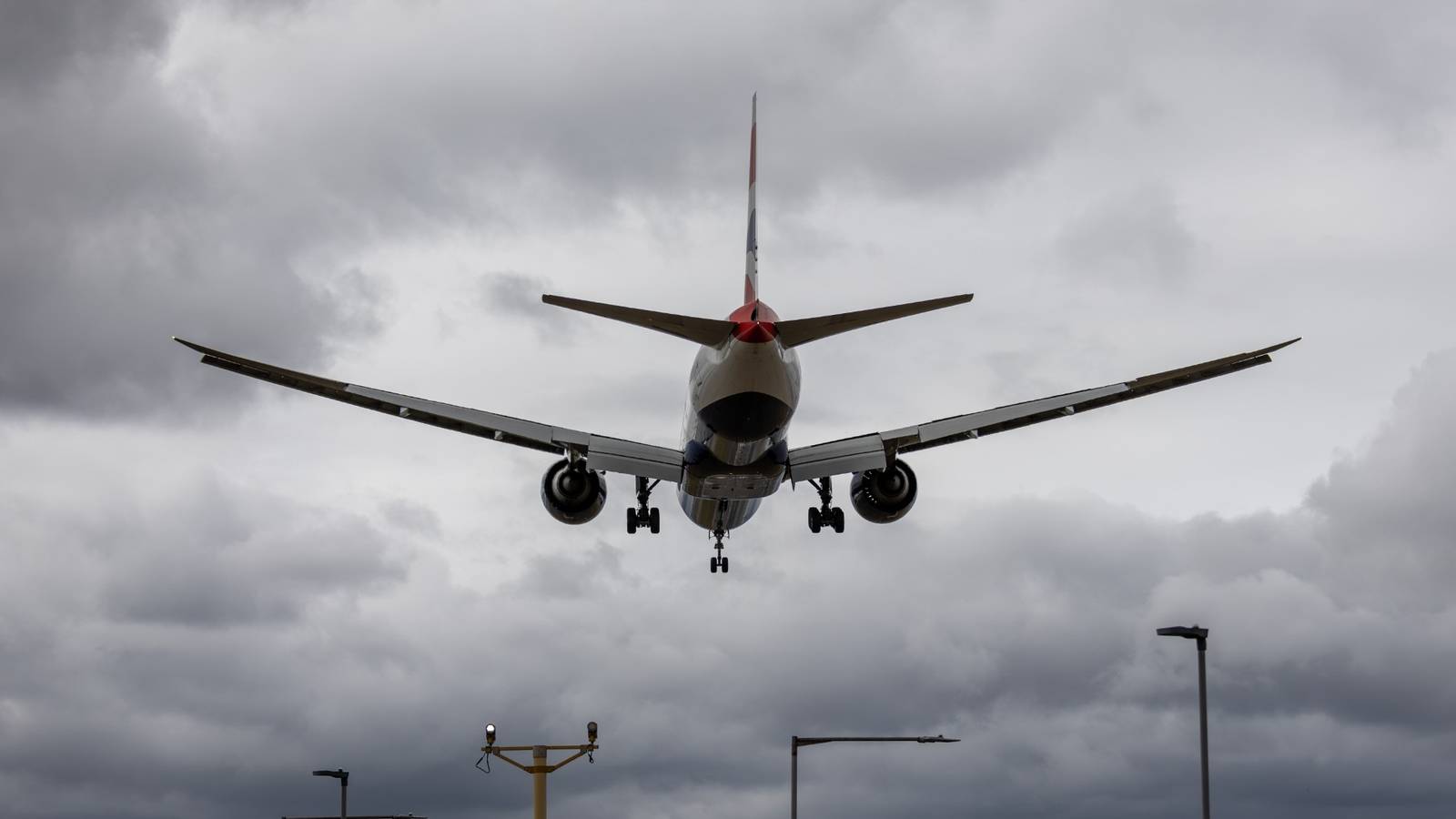
Published Nov 8, 2026, 6:11 PM EST Experienced ICAO English Language Proficiency Instructor for pilots and ATCOs and conference interpreter who is passionate about facilitating effective communication within aviation-related businesses. Possess a deep understanding of the aviation industry, including aviation regulations, terminology, and industry-specific communication protocols. Has been working at numerous airshows across Europe since 2014. Being an ultralight pilot in her free time, she also promotes safety and efficiency in aviation operations. Based in Italy and Malta Transatlantic flights encountered unusually strong jet stream conditions on November 3 and 4, 2026, with several aircraft reportedly experiencing overspeed alerts while crossing the Atlantic Ocean. Among them was British Airways Flight BA252, operated by a Boeing 777-200, which briefly exceeded its reported operational speed limit by approximately 7–10 knots. The incident occurred during an overnight flight from Nassau (NAS), Bahamas, to London Heathrow Airport (LHR), as powerful upper-level winds affected aircraft operating along the North Atlantic corridor. The incidents highlight how changing atmospheric conditions can affect long-haul flight operations, particularly in autumn and winter when the jet stream often strengthens. Although powerful tailwinds can significantly increase an aircraft's ground speed and shorten eastbound journeys, sudden wind changes can also create additional challenges for flight crews. These events also highlight clear-air turbulence, another phenomenon often associated with jet stream activity. British Airways Boeing 777 Reports Overspeed During Atlantic Crossing Credit: Bradley Caslin | Shutterstock According to AIRLIVE's report, the incident involved BA252, a British Airways Boeing 777-200 registered as G-VIID. The aircraft departed NAS on November 3 and was crossing the Atlantic towards LHR on November 4 when it encountered particularly strong upper-level winds. While cruising at 38,000 feet, the aircraft reportedly reached approximately 282 knots, around 7–10 knots above its applicable operational limit. The flight crew responded by changing altitude, initially climbing to 39,000 feet before subsequently reaching 41,000 feet. These adjustments were intended to find more favorable atmospheric conditions and stabilize the aircraft's speed. Despite the reported overspeed, the flight continued to its destination without further reported complications, landing at Heathrow at 11:13 GMT on November 4 after seven hours and 57 minutes. Several other transatlantic aircraft experienced similar overspeed alerts during the same period. However, available open-source information did not provide individual flight numbers or details of the circumstances. No injuries or structural damage were reported in connection with BA252. How Jet Streams Can Push Eastbound Flights To Exceptional Speeds Credit: Neil Firman | Shutterstock The November overspeed incidents occurred during a period of particularly active atmospheric conditions over the North Atlantic. According to the UK Met Office, the jet stream is a narrow band of powerful winds approximately five to seven miles (26,400–36,960 feet) above the Earth's surface, generally traveling from west to east. It forms near the boundary between colder polar air and warmer tropical air, influencing weather systems and wind conditions across the Atlantic. Aircraft traveling eastbound can benefit considerably from these winds. As Aerospace Global News explains, jet streams can reach speeds exceeding 250 mph (402 km/h), providing strong tailwinds for aircraft traveling in the same direction. This can reduce flight times and fuel consumption, while westbound services often encounter stronger headwinds and consequently longer journeys. The phenomenon has produced some remarkable ground-speed figures in recent years. In February 2024, two Boeing 787 Dreamliners operated by Virgin Atlantic and United Airlines recorded ground speeds exceeding 800 mph (1,287 km/h) while crossing the Atlantic. According to Business Insider, the aircraft reached about 802 mph and 838 mph, respectively, thanks to exceptionally strong winds. However, these figures did not mean the aircraft exceeded its aerodynamic operating speeds. Tailwinds increase ground speed rather than automatically increasing airspeed. An aircraft's aerodynamic speed is measured relative to the surrounding air, whereas ground speed accounts for the wind's effect, as NASA explains. However, sudden changes in wind direction or velocity, known as wind shear, can temporarily affect indicated airspeed. Consequently, the precise relationship between the jet stream and the reported British Airways overspeed requires caution: the available report does not establish the exact aerodynamic mechanism behind the alert. What Is The Jet Stream And Does It Present Safety Risks? Although jet streams shorten eastbound journeys, they can also create challenging conditions for flight crews. Their strength and position change throughout the year, with the temperature difference between polar and tropical regions playing an important role. The Met Office explains that autumn and winter generally bring stronger westerly winds as the polar regions cool, making the jet stream more active and influencing weather across the North Atlantic. Its analysis of seasonal jet stream changes explains why these atmospheric patterns become particularly noticeable during colder months. One associated phenomenon is clear-air turbulence (CAT), which can occur without visible clouds or thunderstorms. It is frequently linked to jet streams and differences in wind speed and direction at cruising altitude. According to Aerospace Global News, conventional onboard weather radar cannot directly detect clear-air turbulence, meaning pilots must rely on forecasts, reports from other aircraft, and air traffic control information to anticipate potentially dangerous conditions. Another study cited by Air Traveler Club indicates that severe clear-air turbulence over a representative point in the North Atlantic increased by 55% between 1979 and 2020. Aircraft are designed to withstand considerable turbulence, but sudden movements can injure passengers and cabin crew who are not wearing seatbelts. The Met Office's analysis of the recent Storm Austen also demonstrates the jet stream's influence on Atlantic weather systems. Its interaction with a powerful jet streak helped the storm deepen rapidly, illustrating how changing upper-level winds can affect conditions across the region. While the British Airways incident ended without reported injuries or aircraft damage, the November 3–4 events demonstrate the importance of monitoring atmospheric conditions during transatlantic operations. Strong tailwinds can offer considerable operational advantages, but changing wind patterns and associated turbulence remain important considerations for airlines and flight crews.
Strong Jet Stream Leads To Transatlantic Flights Reporting Overspeed Incidents
Full Article
Original Source
Read the full article at Simpleflying →KhanList aggregates and links to publicly available news content. We do not host full articles from third-party sources. Always verify important information with original sources.