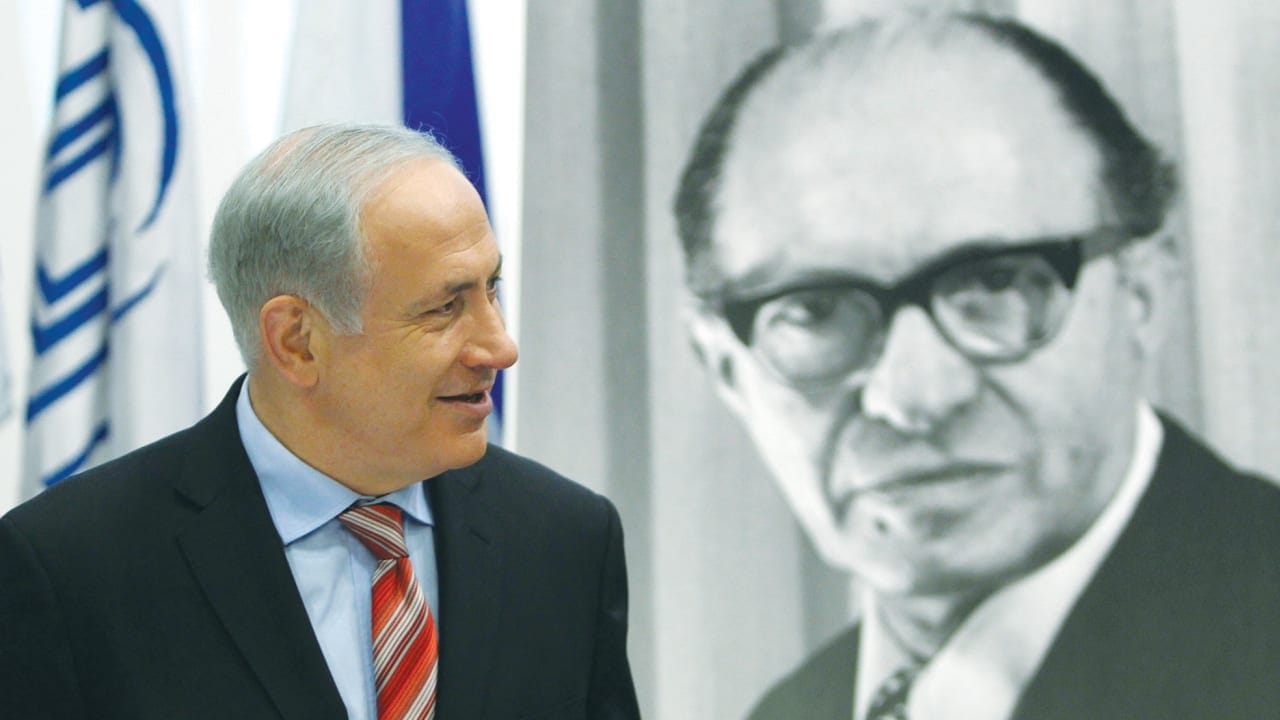
ByJPOST EDITORIALJULY 28, 2026 05:59Menachem Begin must be turning in his grave.The Likud party, which traces its roots to Begin’s Herut movement, was built on a conviction that democracy depends upon the freedom to disagree. As Begin himself declared, “We are convinced – as we have witnessed throughout the world – that without an opposition, there can be no democracy; without it, the essence of human liberty is in danger.”The first right-wing prime minister in Israel’s history was referring to the Knesset opposition, yet the principle applies just as readily within political parties. Democracy begins long before election day. It begins with the willingness of a movement to tolerate debate, criticism, and competing ideas without demanding unquestioning loyalty from those within its ranks.Veteran Likud MK David Bitan on Sunday leveled extraordinary accusations against his own leadership in an interview with KAN TV where he said that the Prime Minister’s Office had contacted ministers and MKs asking them to record videos in support of Prime Minister Benjamin Netanyahu’s proposals ahead of an internal party vote.“The prime minister really wanted appointments rather than [internal] elections,” Bitan stated. “But following the petitions we filed and the public pressure we created, he has essentially agreed to primaries.Prime Minister Benjamin Netanyahu and his wife Sara cast their vote during the elections for the Likud Central Committee, at the International Convention Center in Jerusalem, November 25, 2025 (credit: CHAIM GOLDBERG/FLASH90)“We’re a democratic party. Our foundation is democratic… The Prime Minister’s Office is asking for videos – videos supporting his proposals. The prime minister appoints them as ministers; the prime minister can dismiss them from those positions. The prime minister has influence over many party members in the primaries, so people are under pressure. They’re afraid in this situation.”Likud party has lost the value of strong internal debateIf senior elected officials believe they are expected to demonstrate loyalty to the party leader before an internal democratic vote, something has changed inside a movement once renowned for robust internal debate.Earlier this month, Likud MK Dan Illouz warned against any attempt to weaken the party’s primary system. Speaking to The Jerusalem Post’s Keshet Neev, he acknowledged reports that Netanyahu sought greater influence over the composition of the party list, but cautioned against abandoning the process altogether.“I think that would be very bad for the Likud,” Illouz said. “We’re very proud to be the only democratic party right now in the Knesset. We’re very proud about this title, and I don’t think that we’d want to let it go.”Those comments now read rather differently.Likud’s own internal court was eventually put in a position to order that primaries proceed according to the party’s democratic framework, after attempts to alter the process. It was not the High Court of Justice doing this, or the opposition or outside campaigners defending Likud’s internal democracy. It was Likud itself.Bitan’s allegations also recall claims made last week by MK Sharren Haskel in a sworn affidavit during last month’s state comptroller vote. Haskel alleged that members of the New Hope-United Right faction were instructed to film themselves voting for Michael Rabello and show the footage to Prime Minister Benjamin Netanyahu as proof that they had voted as required. All of this implies a political culture in which loyalty is increasingly expected to be proven rather than simply given.Netanyahu remains Likud's dominant political figureNone of this is to deny Netanyahu’s standing within Likud. He remains, by a considerable margin, the party’s dominant political figure. Nor is there anything improper about a party leader campaigning for his preferred proposals. The concern arises when disagreement is met not with debate but with pressure, and when loyalty is measured by visible displays of obedience rather than confidence in the strength of one’s argument.Begin named his movement Herut, ”Freedom.” The freedom to speak, freedom to disagree, and freedom to challenge authority without being branded disloyal. It is an uncomfortable irony that, nearly half a century after Begin entered the Prime Minister’s Office, some within the movement he founded now appear to have so little freedom to dissent from its leader.If the Likud continues to mistake conformity for unity, it may soon find that voters deliver the lesson its own founder understood all along. Come October, the movement descended from the freedom movement could find itself with fewer MKs in the Knesset – and perhaps, in a final irony, sitting in the very opposition that Begin so passionately defended as indispensable to democracy.Follow us on Google
What would Menachem Begin say about democracy’s state in today’s Likud? - editorial
Full Article
Original Source
Read the full article at Jpost →KhanList aggregates and links to publicly available news content. We do not host full articles from third-party sources. Always verify important information with original sources.