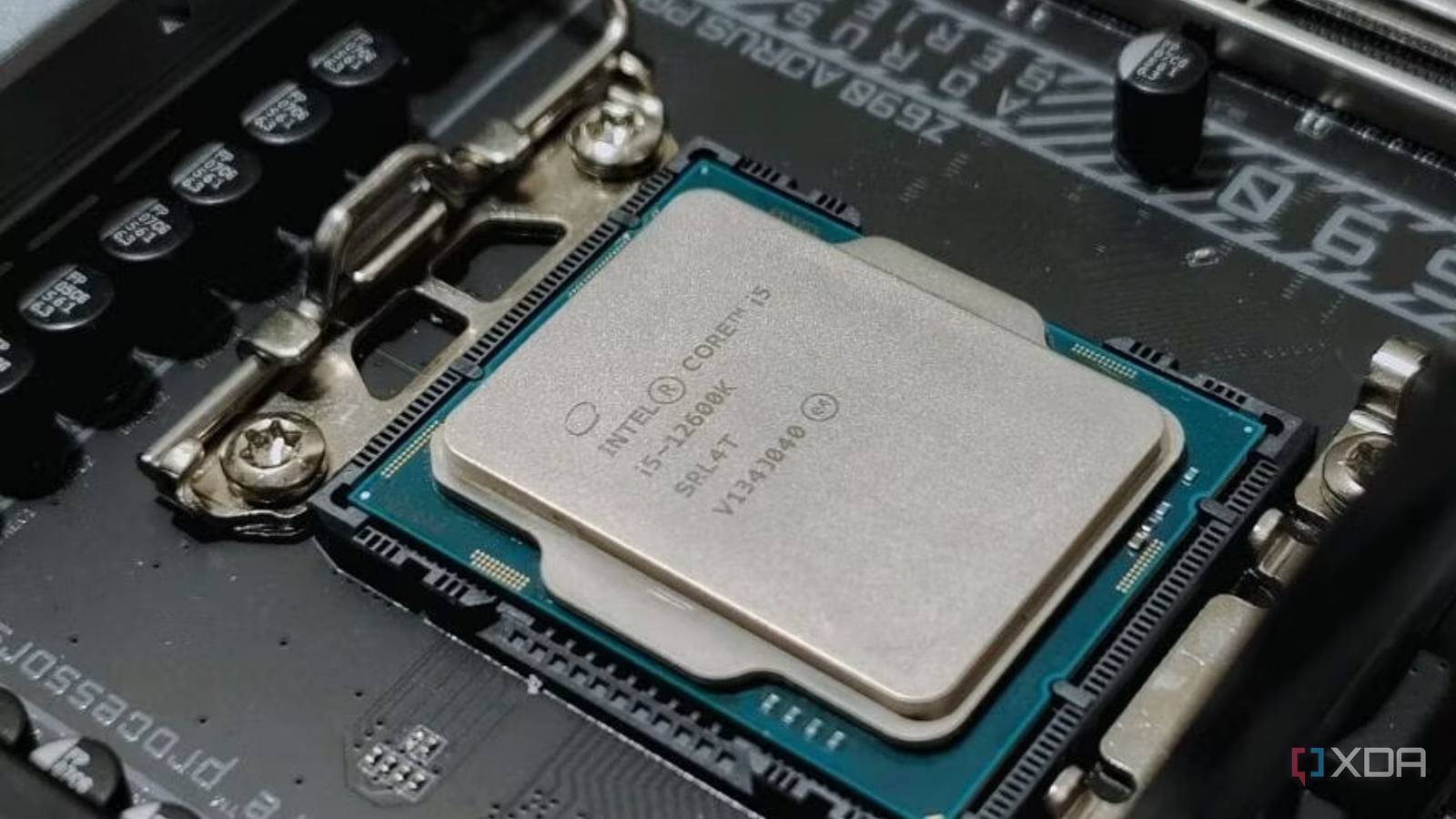
Published Jul 24, 2026, 5:30 PM EDT After a 7-year corporate stint, Tanveer found his love for writing and tech too much to resist. An MBA in Marketing and the owner of a PC building business, he writes on PC hardware, technology, and Windows. When not scouring the web for ideas, he can be found building PCs, watching anime, or playing Smash Karts on his RTX 3080 (sigh). Five years ago, if you were to compare a 5-year-old CPU to the then current-gen parts, the gulf in performance would have been huge. Today, the same comparison would appear starkly different. CPUs from 2020 can be considered old, but not outdated. If you care mostly about gaming performance, then you still don't need to upgrade your "aging" CPU. In 2026, the global RAM shortage has given this comparison another interesting angle. Since moving to a DDR5 build is easier said than done, your existing DDR4 build deserves to last a few more years. Besides, those building a new PC can save around $300 by going DDR4 without losing too much gaming performance. I won't mention chips like the Ryzen 7 5800X3D or Ryzen 7 5700X3D, since they're often as fast as the current-gen CPUs. Ryzen 5 5600: The Zen 3 champion It's only two generations old Perhaps the most popular Zen 3 chip after the Ryzen 7 5800X3D, the Ryzen 5 5600X represented amazing value when it launched. For most of its lifespan, it sold for $150–$200, at which price it was the gaming chip to buy. It was faster than comparable CPUs from Intel's 10th and 11th Gen series, and only slightly slower than the Core i5-12600K. If you want to build a more affordable gaming rig in 2026, the Ryzen 5 5600X, or Ryzen 5 5600, would be my recommendation. You don't even need to scour the pre-owned market since the Ryzen 5 5600 sells brand-new for under $150. With a B550 motherboard, 32GB of DDR4-3200 RAM, and a modern mid-range GPU, you can have your entire rig ready for $300 less than an AM5 rig with the Ryzen 5 7600X. The performance difference between the Ryzen 5 5600 and 7600X is real, but you need to see it in light of the cost savings. You could invest the $300 savings in a more powerful GPU to yield overall higher FPS, provided your budget allows. Otherwise, even with the same GPU, the AM4 rig isn't the wrong choice. AMD Ryzen 5 5600 Ryzen 5 3600: Doesn't feel that old Even Zen 2 still has a performer standing Credit: Source: Unsplash The Ryzen 5 3600 might be noticeably slower than the Ryzen 5 5600X, but for those who already have it, it doesn't need an urgent upgrade yet. Benchmarks will show you that even at 1440p, the two chips are significantly apart, but with a decent GPU, the FPS difference isn't night and day. Your Ryzen 5 3600 can still pump out more than playable framerates in modern titles. Sure, an upgrade to, say, the Ryzen 7 5800X3D will ensure a significant boost, but you're still looking at a $300 investment, at least. The performance difference might not matter to you if you mostly play competitive shooters, RTS titles, and platformers. You could save the money and continue enjoying your build, provided your GPU isn't holding you back. Core i5-12400F: The Alder Lake comeback The LGA 1700 value pick Considering Intel's recent track record, it might be easy to forget the company's many excellent gaming chips in the last five years. Out of them, the Core i5-12400F stands out for several reasons. It was the affordable Alder Lake chip, and brought Intel's revamped hybrid architecture to many gamers. With Alder Lake, Intel had fired back at AMD after a long time, and the 12400F competed head-to-head with the Ryzen 5 5600X. If you want to build a DDR4 rig on the LGA 1700 socket, a used Core i5-12400F for around $125 is an ideal choice. It delivers nearly the same gaming experience as the Core i5-12600K. You could pick the latter for better multicore performance, but it costs around $75 more. If you're on a strict budget and only need a capable gaming rig, the Core i5-12400F is a no-brainer. It also supports the DDR5 platform, but the additional performance isn't worth the added expense. Core i7-10700K: Still packs a punch This comet landed six years ago Source: Intel Going back further, the Core i7-10700K came out in mid-2020, competing against AMD's Ryzen 3000 series CPUs. It was faster than the Zen 2 chips, but once the Ryzen 5 5600X came out, the 10700K had been bested, although by a slight margin. If you're still running the Core i7-10700K, you don't need to think about upgrading, though, since it can still deliver strong 1440p gaming performance. The10700K is also nearly identical to the Core i9-10900K in gaming. With a relatively modern mid-range GPU, you don't really need an upgrade yet. Even the Core i7-14700K (on a new motherboard) won't feel like a drastic jump in many titles at higher resolutions. So, you can stick to your Core i7-10700K and invest in other parts of your build instead. Your GPU is still the biggest determinant of gaming performance Gamers can stick to their CPUs much longer, since the GPU becomes the deciding factor at higher resolutions. By retaining your older CPU or spending less on it in a new build, you can reserve more of your budget for the graphics card. It will help you enjoy greater FPS in most cases. The RAM crisis has delayed PC upgrades for many gamers and made them realize the longevity of their existing rigs.
These "outdated" CPUs still hold their own in 2026, and the RAM crisis makes them smarter than ever
Full Article
Original Source
Read the full article at Xda-developers →KhanList aggregates and links to publicly available news content. We do not host full articles from third-party sources. Always verify important information with original sources.