
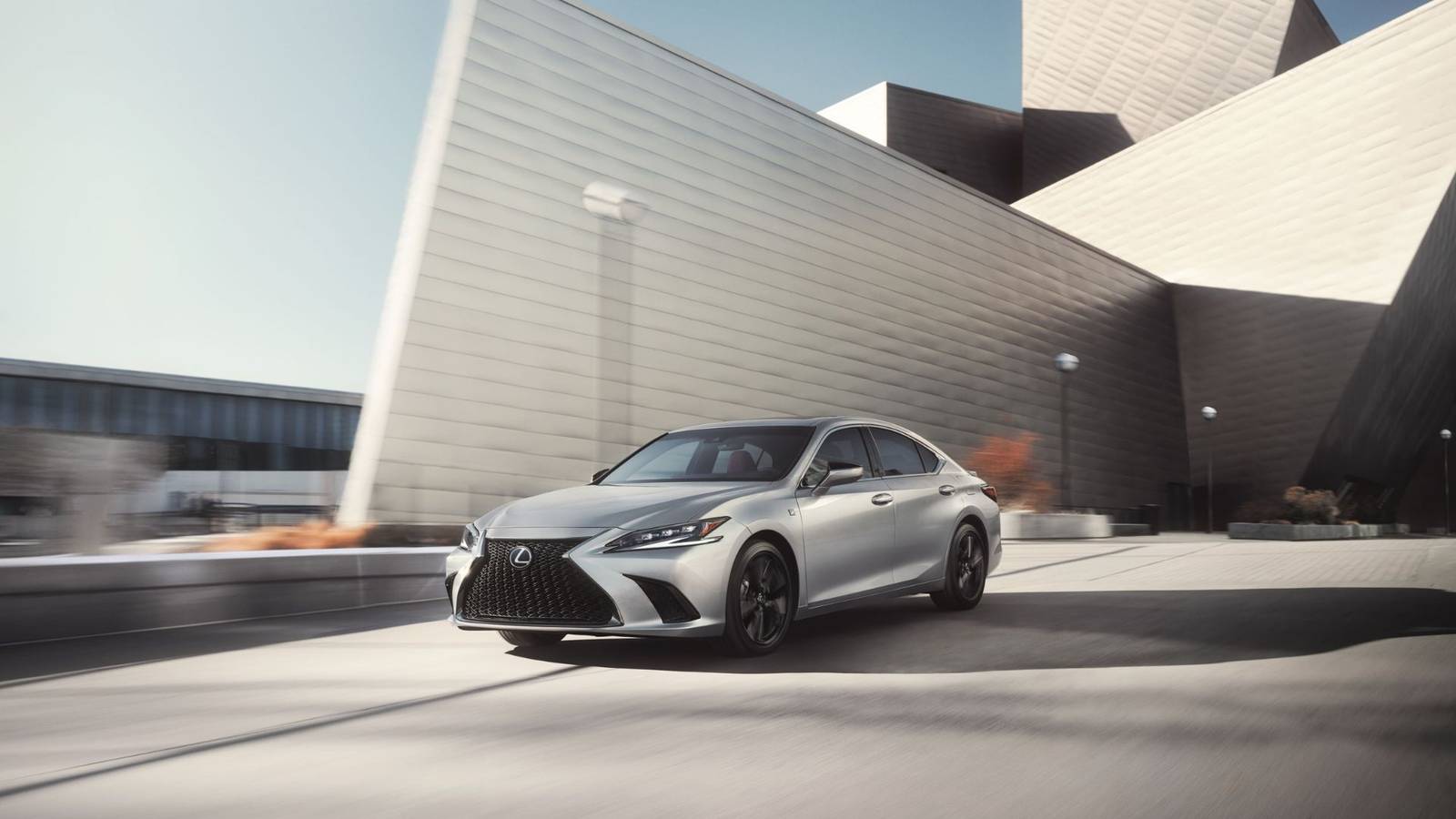
Published Jul 28, 2026, 4:45 PM EDT Adam Gray, a seasoned automotive journalist and content creator from the UK, joined the How-To Geek editorial team in January 2025. As an automotive journalist for How-To Geek, Adam breaks first-to-report news on the latest in automotive tech, as well as penning automotive features and reviews. Adam is also a contributor to one of How-To Geek's sister sites, TopSpeed, where he uses his media accrediation with manufacturers' press offices to gain access to the latest vehicles for subsequent review. Prior to joining How-To Geek, Adam worked on a freelance basis, contributing automotive content to a variety of business and lifestyle publications. His experience also includes time spent serving as senior editorial & auction content manager for SBX Cars, automotive content writer for Supercar Blondie, motoring editor for Portfolio North, and motoring editor - North East for Reach plc. When he's not putting the latest vehicle through its paces or testing out its tech, Adam can be found at his local ice rink playing ice hockey or at the Riverside Stadium supporting his beloved Middlesbrough FC. Adam also enjoys spending quality time with his three children: Ellie, Oscar, and Heidi. The Mercedes-Benz E-Class has spent decades setting the standard for luxury sedans. It's refined, packed with technology, and carries the kind of prestige that still draws buyers into showrooms. But luxury isn't judged by the badge alone anymore. Once you factor in comfort, ownership costs, reliability, and day-to-day usability, the Lexus ES starts to make a compelling case. It may not have the same status as a Mercedes, but the 2025 ES delivers the relaxed, premium experience many buyers want while asking far less in return. Why luxury sedans are about more than the badge Comfort, refinement, and what buyers really value Credit: Mercedes-Benz The E-Class has earned its reputation as one of the benchmark luxury sedans. Its quiet cabin, composed ride, and premium features make it the kind of car that's built to cover long distances with very little effort. That traditional idea of luxury is changing, though. Buyers are paying closer attention to how a car fits into everyday life, and that's where the ES starts to stand out. Base Trim Engine 2.5L I4 Hybrid Base Trim Transmission CVT Base Trim Drivetrain Front-Wheel Drive Base Trim Horsepower 176 HP @5700 RPM Base Trim Torque 163 lb.-ft. @ 3600 RPM Base Trim Fuel Economy (city/highway/combined) 43/44/44 MPG Base Trim Battery Type Lead acid battery Make Lexus Model ES Hybrid The Lexus ES takes a different approach Luxury without the complexity Credit: Lexus The 2025 ES doesn't try to out-tech or out-muscle the German establishment. Instead, it focuses on comfort, refinement, and everyday usability, while starting at around $42,040 compared with the E-Class' $63,900 starting price. That gap is only part of the story. The ES offers three distinct powertrains, a well-appointed cabin, and Lexus' reputation for reliability, making it a compelling alternative for buyers who want luxury without the premium ownership costs. Up to 302 horsepower, but comfort comes first Smooth, quiet performance defines the ES Credit: Lexus The 2025 ES offers three powertrains. Buyers can choose the 203-horsepower ES 250, the 302-horsepower V-6-powered ES 350, or the ES 300h hybrid, which produces a combined 215 horsepower while returning up to 44 mpg. What makes the ES stand out isn't outright performance, though. Reviews from Edmunds and Car and Driver consistently praise how smoothly and quietly it delivers its power, with the hybrid often singled out as the sweet spot in the range. It trades sportiness for serenity A luxury sedan built to help you unwind Credit: Lexus Even the quickest ES 350 reaches 60 mph in around 6.1 seconds, but the car never feels like it's chasing performance numbers. The hybrid is slower again, yet its calm, relaxed character suits the ES perfectly. The suspension is tuned for comfort rather than sharp handling, soaking up rough roads while keeping wind and road noise to a minimum. Instead of trying to excite the driver, the ES focuses on making every journey as quiet and effortless as possible. How the ES compares with the E-Class Two different takes on luxury Credit: Lexus The E-Class still feels every bit the benchmark luxury sedan. It delivers a composed ride, a well-insulated cabin, and the kind of precision engineering that's helped define the segment for decades. The ES takes a different route. Instead of chasing sharper handling or the latest technology, it prioritizes ride comfort, cabin quietness, and a more relaxed driving experience that's easier to appreciate every day. The cabin tells the same story Simplicity over technology overload Inside, the E-Class leans heavily into technology with its large MBUX displays, ambient lighting, and available passenger screen. It's an impressive setup, but many of the headline features sit behind costly option packages. The ES takes a more straightforward approach. Its infotainment system is easier to use, and many everyday features come as standard, including Apple CarPlay, Android Auto, Lexus Safety System+ 2.5, adaptive cruise control, lane-keeping assist, and pre-collision braking. The biggest difference comes after you buy it Reliability makes the ES easier to own Credit: Lexus This is where the ES really starts to separate itself. While the E-Class is known for its sophisticated engineering, that complexity can also mean higher servicing costs and more expensive repairs as the car gets older. The ES is built around a different philosophy. Lexus consistently ranks among the industry's most reliable brands in J.D. Power dependability studies, giving owners fewer problems, lower running costs, and a far more predictable ownership experience. The savings don't stop at the purchase price The ES holds its value better over time Credit: Lexus The price gap between the ES and E-Class only grows once depreciation is factored in. According to iSeeCars, the ES 350 loses around 42 percent of its value over five years, while the E-Class loses nearly 57 percent over the same period. That means the Mercedes not only costs more to buy, but also gives up more value over time. Lexus' strong resale performance has even earned it Kelley Blue Book's Best Luxury Brand for resale value, making the ES an easier financial decision long after you leave the dealership. Why the Lexus ES makes more sense for most buyers Premium comfort without the premium ownership costs Credit: Lexus The E-Class remains one of the finest luxury sedans on sale, but the ES asks a simple question: how much of that extra price actually improves your daily driving experience? For many buyers, the answer is surprisingly little. The ES delivers the comfort, refinement, and premium feel people expect from an executive sedan while costing less to buy, less to own, and less to depreciate. If you're shopping with your head as much as your heart, it's the luxury sedan that's much harder to overlook. 2025 Lexus ES or 2026 Lexus ES? Which version should you choose? Credit: Lexus The 2026 ES is a much bigger departure than a typical facelift. It drops the long-running V-6 in favor of an updated hybrid and new fully electric variants, while also growing in size and adding a larger 14-inch touchscreen, new interior materials, and an available Executive Package with reclining, massaging rear seats. If you want the classic ES experience, the 2025 model is still the pick thanks to its available V-6 and familiar, understated character. If electrification, extra space, and the latest technology matter more, the all-new 2026 ES is the one worth waiting for.
The Japanese luxury sedan that makes the Mercedes E-Class harder to justify
Full Article
Original Source
Read the full article at Howtogeek →KhanList aggregates and links to publicly available news content. We do not host full articles from third-party sources. Always verify important information with original sources.