
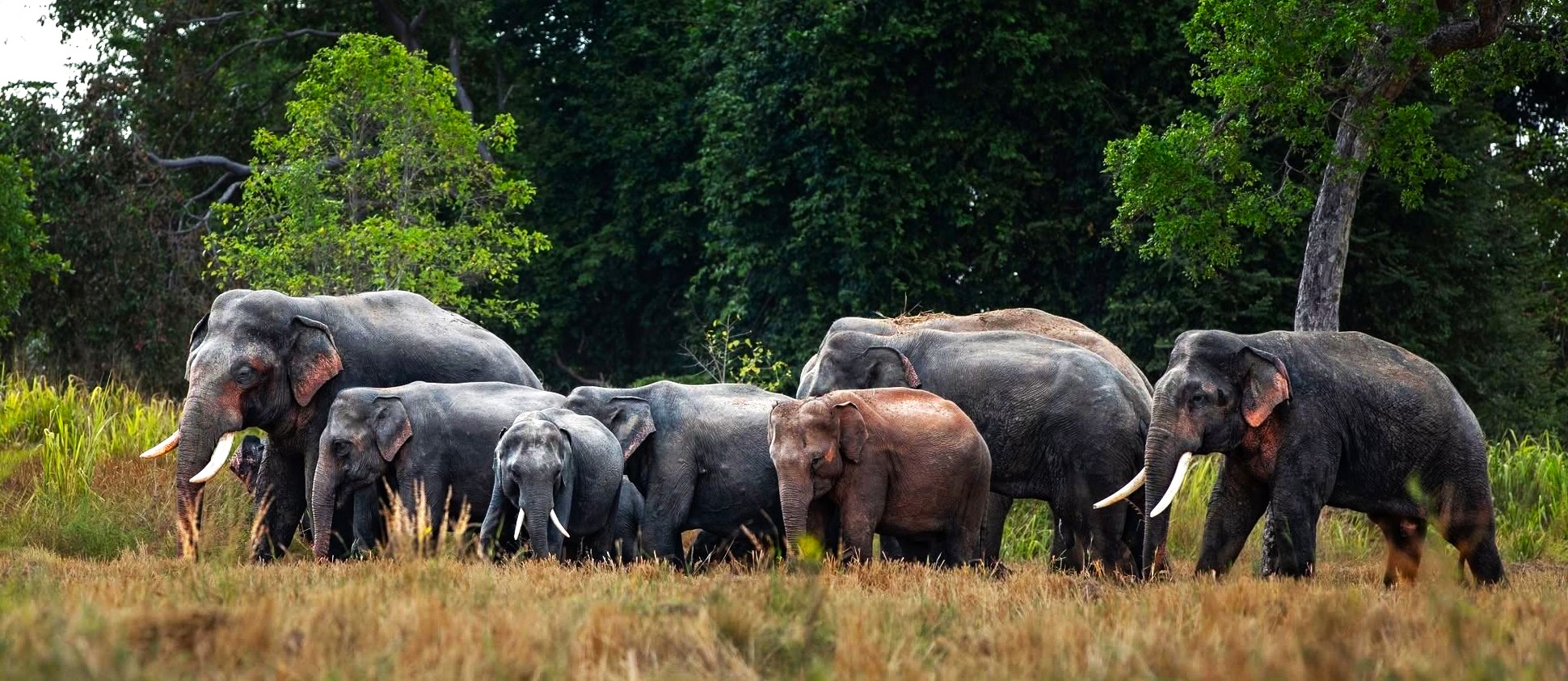
A beloved male elephant named Kavantissa that frequented a rural village in Sri Lanka recently died from a gunshot injury, sparking public outrage. Environmentalists condemned authorities for what they called a “lack of care” for this iconic elephant, while local animal rights groups demanded an independent investigation into the death. In response, the Sri Lankan government launched a military operation called Hasthi Sena, which translates to an “elephant army,” reports contributor Malaka Rodrigo for Mongabay. This task force brings together some 100 members from Sri Lanka’s armed forces and departments of wildlife and civil defense. Its goal is to prevent further elephant killings, curb wildlife crime, and bolster surveillance across hotspots of human-elephant encounters. As of early November, the task force had already arrested individuals involved in illegal activities such as setting wire snares and using trap guns. Since Kavantissa’s death, public support for assigning armed personnel to elephants with large tusks. Such tuskers, as they’re known are rare among Asian elephants (Elephas maximus). In Sri Lanka, a 1999 study estimated that only about 7.5% of male elephants are tuskers. Over the past 10 years, advocacy group Wild Tuskers Srilanka (WTS) has documented 300 such elephants. The group also recently identified 17 tuskers as being at high risk and needing urgent monitoring, in part due to the overlap of their ranges with human settlements, said Chandika Lakshan, a WTS member. The organization has handed over the detailed profiles of the 17 tuskers to government and military officials. However, wildlife experts have cautioned against military intervention to protect elephants. Manori Gunawardena, a wildlife scientist at the Environmental Foundation Limited, said that unlike African super tuskers living in vast protected reserves, Sri Lanka’s elephants roam densely inhabited agricultural landscapes where direct physical guarding is impractical. She added that ivory poaching in the country is largely a byproduct of broader human-elephant conflict rather than of organized international syndicates. “We must meet the ecological needs of the herds that produce tuskers, ensuring that male calves and juveniles survive into adulthood if we are truly committed to the future of Sri Lanka’s wild tuskers,” Gunawardena told Mongabay. “This requires sufficient and suitable habitats and socially inclusive, scientifically informed measures to reduce human-elephant conflict.” Hemantha Withanage, senior adviser to the Centre for Environmental Justice (CEJ), said law enforcement should focus on intelligence gathering rather than posting a soldier beside every identified tusker. He cited the persistent use of “jaw bombs” by some poachers, who scatter balls of food bait packed with explosives to kill wild boars and other animals for meat. Elephants that fall victim to these bait balls suffer gruesome injuries and long-drawn-out deaths. Withanage said military intelligence is well-suited to dismantling the illicit supply of the explosives used in these jaw bombs. Read the full story by Malaka Rodrigo here. Banner image: Three generations of tuskers, with Wasala leading. Image courtesy of Wasantha Kumara. Credits Topics
Sri Lanka deploys ‘elephant army’ to protect rare tuskers, but experts urge caution
Full Article
Original Source
Read the full article at News →KhanList aggregates and links to publicly available news content. We do not host full articles from third-party sources. Always verify important information with original sources.