
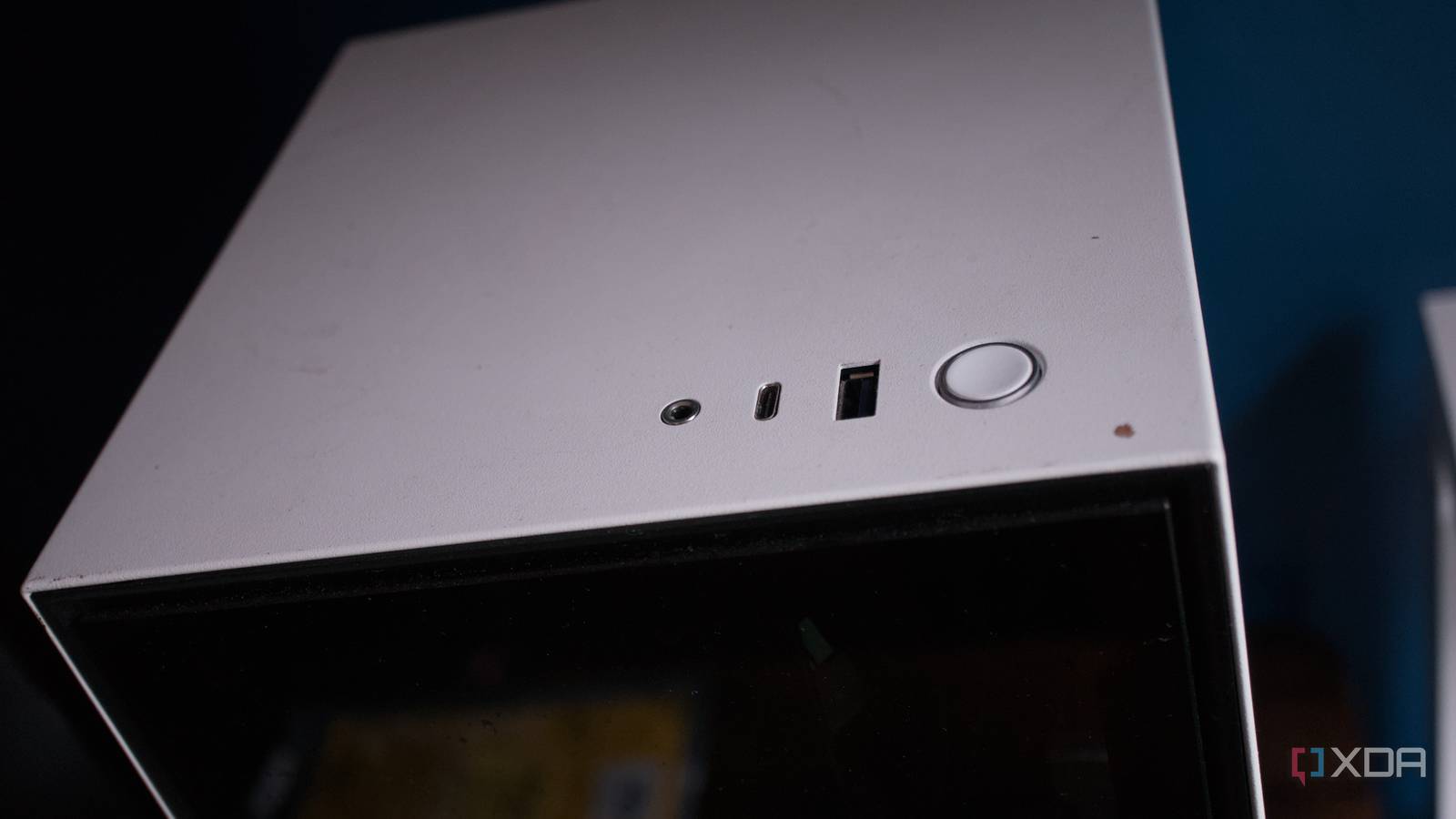
Published Oct 31, 2026, 12:00 PM EDT Richard is the PC Hardware Lead at XDA and has been covering the technology industry for almost two decades. He's been building PCs since young, and when not creating content, you can often find him inside a chassis somewhere. When upgrading or replacing a desktop PC, there's a good chance we have some leftover components. This could include a GPU, CPU, motherboard, RAM, and storage. Sometimes, you may even have a full system ready to go, which is what makes having a second PC available an enticing proposition. Instead of selling these parts for a little side cash, why not consider putting them to good use and putting together a PC for yourself or a loved one? I did the latter, and we've enjoyed countless gaming sessions since. Why bother building a second PC? Opening up a world of possibilities! Putting together a second PC with owned old parts may sound like a wasted opportunity with regard to improving current finances, but there could be scope to save more money down the line. Should one of your components fail and you have nothing to replace it with, the current pricing of PC hardware leaves much to be desired. Having old parts in inventory allows for one to be swapped in should an instance arise where you find yourself scramming for a replacement drive. The same goes for a motherboard, GPU, or even a power supply. All of these parts cost money to source brand new. If you don't need any more parts in storage, there's the possibility of setting up a home lab or network-attached storage (NAS), and if your old system had a few hard drives, you're already well on your way to creating network storage that can pack a punch. Older PC hardware excels at running Plex, Jellyfin, Immich, Nextcloud, and other services. It could even run some game servers! Compared to used enterprise gear or running NAS, old PC parts offer solid efficiency, allowing one to undervolt the CPU and take advantage of 16GB of RAM or so. Installing something like Proxmox would enable you to effectively manage the home lab and all running virtual instances, be it Linux containers (LXCs) or virtual machines (VMs). Regardless of what you choose to use old PC hardware for, it'll likely beat the poor resale return. You'll be hard-pressed to recoup what you originally paid outside of memory. Then there's the possibility to become the next hit streamer. A second system can do a lot more than you may initially realize. For me, I built a system for my wife. We've enjoyed gaming on our Nintendo Switches and mini PC on the TV, but there's something about sitting down for some lengthy sessions behind the larger screen and a PC. That's where the second PC came into action. Utilizing older parts I no longer needed, I could put them to good use, provide the wife with their own machine, and retain all the components. A PC build never really comes to an end It can live on in other ways or forms My old system didn't really cause any problems. I didn't encounter a CPU issue or anything else of the kind. I simply needed to adjust the platform from the 9950X I had running away. It's a brilliant chip but not the best for gaming. This was when prices were much more reasonable, mind you. I needed a little more gaming performance and more memory for what I threw at the system, and the move seemed like the right call at the time. I have zero regret with that decision, but it meant I left a few parts behind. I used an old MicroATX board, which was good enough but had a few limitations. I required a new chip and a new board, and so I bought some new RAM too. It also allowed me to consider the CPU cooler, storage, and case to see if there's anything else that warranted changing. For me, it was the cooler (moving from a liquid AIO to an air cooler) and case. That last part was entirely unnecessary. I seem to swap cases more than anything with my personal desktop. But I managed to put together quite the compelling system with leftover parts. Using the cheapest ITX motherboard I could buy, the AMD Ryzen 9 9950X sits comfortably chugging away as much power as it can. 32GB of DDR4 is installed for all the most demanding games, and the RX 7900 XT is at hand to battle through anything we can throw at it. Honestly, it's a fantastic PC, and one my wife is incredibly happy with. But it's also a solid backup should I ever require it. Then there's the possibility that she may end up preferring a gaming handheld or laptop at some point, which would free up the entire system for something else. And because it's an ITX-powered PC inside an NZXT H1 (the refreshed model), it could be situated almost anywhere inside the home. The best upgrade wasn't actually the hardware Having two capable gaming PCs changes everything There's something to be said for having two fully functioning gaming PCs in the same household. It's not just about having another machine available should something go wrong with the primary system. Having a second desktop opens up more opportunities for gaming together, especially when you no longer have to worry about sharing hardware or figuring out how to get two people playing on the same machine. We can enjoy our own games independently or jump into something together. The beauty of reusing older components is that they don't suddenly become obsolete the moment something newer is installed. The Ryzen 9 5950X may be a few generations old now, but it's still an incredibly capable processor with 16 cores and 32 threads. Pair that with a powerful GPU such as the Radeon RX 7900 XT, and you've got a machine that can comfortably handle demanding modern games. Sure, I could have sold everything and used the money to offset the cost of upgrading my own desktop, but then I'd be left with just one PC and would have to spend considerably more to achieve something similar again. Of course, building a second PC out of old parts isn't completely free. You may still need to purchase a motherboard, case, power supply, or other components to get everything working. There's also the additional electricity consumption to consider, particularly when you're repurposing high-end hardware that wasn't necessarily designed with efficiency in mind. A second computer that's left running all day without doing anything useful isn't exactly saving you money. Thankfully, there's nothing stopping you from shutting it down when it's not needed. And that's really what makes the entire exercise worthwhile. Instead of having a collection of aging components sitting in boxes, depreciating and gathering dust, I've got another computer that's actively being enjoyed. It doesn't need to be the latest or greatest system to deliver an excellent gaming experience. If anything, this project has made me appreciate just how much life remains in hardware that would otherwise have been retired following an upgrade. Do I regret not selling anything? Not at all! Even with the current pricing climate, I don't regret making this decision to refactor old parts into a new system. I've gotten so much more from having a second PC available in the same office. My wife can make use of it whenever she feels like doing so. I can extract a part from the PC should I require it with my desktop, and it's always there for some other project if it's no longer getting used. That's worth considerably more than selling each part at a loss.
Selling my old PC parts would have been a mistake, so I built a second PC
Full Article
Original Source
Read the full article at Xda-developers →KhanList aggregates and links to publicly available news content. We do not host full articles from third-party sources. Always verify important information with original sources.