
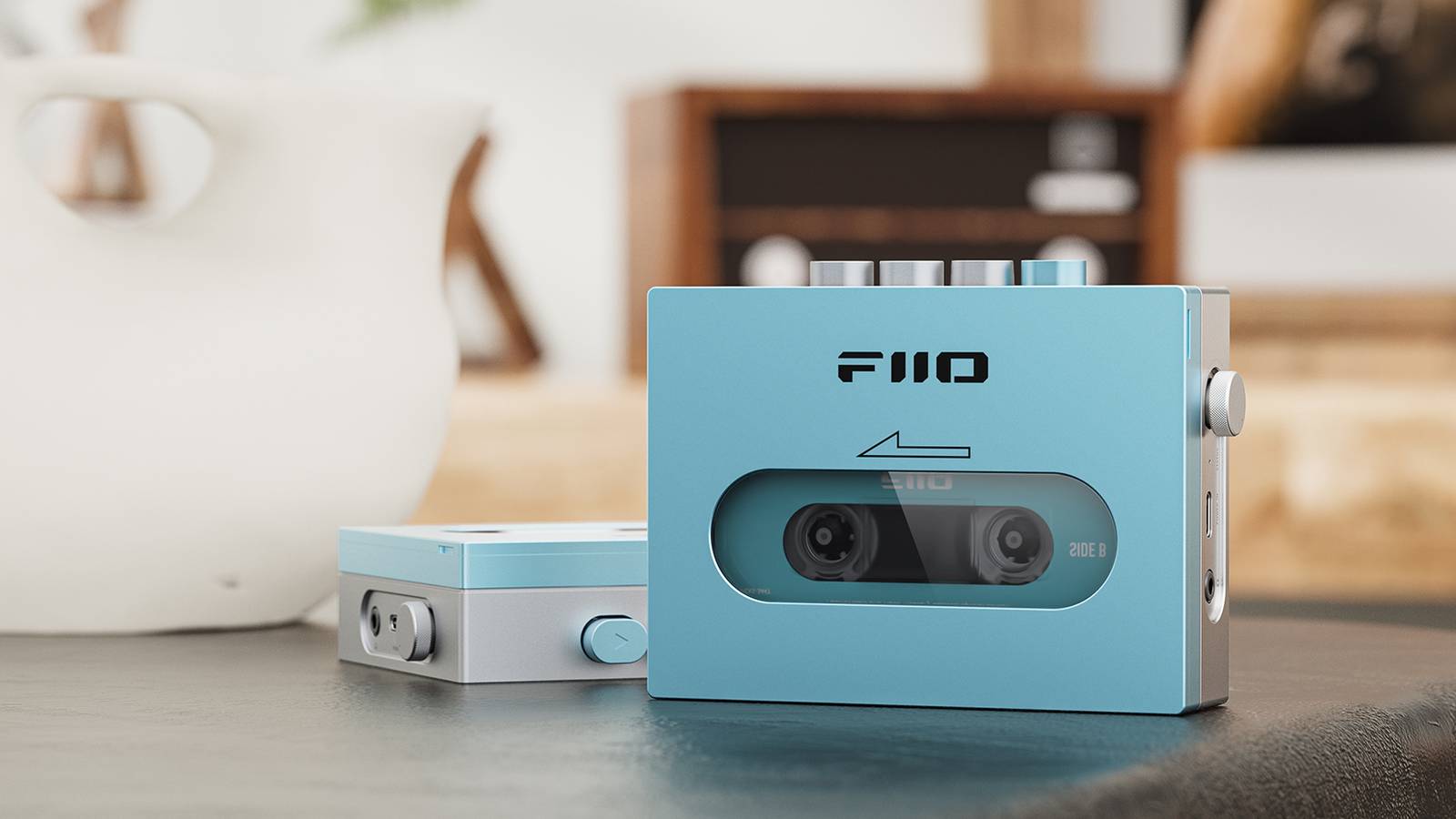
Published Nov 28, 2026, 6:30 PM EST Tim has been covering technology for almost 20 years, in that time spanning a broad range of topics from security to product reviews. He is especially focused on the Apple ecosystem, productivity, and consumer advice. Over the years Tim has written thousands of articles, reviews, and round-ups in addition to producing video content and original photography. A graduate of journalism, he found his footing as a freelancer with a laptop and loves how he is able to work from practically anywhere. Now a Senior Editor for iPhone, Mac, and Smart Home at How-To Geek, Tim still loves to write. He can also be found crafting round-ups and productivity posts for the Zapier blog. Earlier in his career Tim spent nearly a decade as a writer and eventually Apple section editor for MakeUseOf. Tim currently lives in Brisbane, Australia. Outside of work he loves to hike and work out, play video games, and spend quality time with his wonderful partner and two cats Inka and Roger. The tech of two decades ago has been the subject of a revival in popularity of late. Not only are many of us dusting off our old CD collections and remembering the simplicity of dragging and dropping MP3s, these products have found a new audience in younger generations who comb thrift shops in search of an experience they missed out on. Unfortunately, much of that technology is starting to crumble which is where nostalgia tech comes in. What is “nostalgia tech?” A nebulous term that needs some definition Credit: Andrew Heinzman/How-To GeekCredit: Tim Brookes / How-To Geek I’m not the first person to use the term “nostalgia tech.” While some use the term to refer to tech that makes you feel nostalgic (which is understandable), I’m using it to refer more specifically to a kind of product that is marketed towards that nostalgia. This manifests as modern production runs of tech that has since become obsolete or niche. Good examples include audio tech like MP3 players, CD players, and cassette decks. Other examples are cheap point-and-shoot digicams, modern Polaroid-style cameras, retro handhelds focused on emulation, official re-runs of beloved consoles, and even watches. Vinyl arguably led the charge on this movement, gaining popularity more than a decade ago as an antidote to digital-everything. You can now buy everything from cheap-and-cheerful suitcase record players to brand new Technics SL-1200s—the turntable credited as being the ultimate DJ tool. Retro tech, by comparison, is old. Your iPod, Walkman, or Game Boy might still work now, but how long does it realistically have left? There’s a cottage industry of enthusiasts who specialize in fixing or selling parts and upgrades for these items, but reliability isn’t necessarily a strongpoint. This is especially true when it comes to battery-powered items, of which most of these are. Disposable batteries were commonplace in the portable cassette and CD players of my youth, but they’re cumbersome by today’s standards. Of the items that use rechargeable batteries, most of them will be dead by now. If you’re really unlucky, they’ve taken the gadget with them. Then there’s the wear and tear of everyday usage that affects everything. Lasers fail to read discs, the bands and gears that turn spindles fail, cartridges and the contacts that read them corrode, capacitors need replacing, buttons and latches are actuated one too many times. Modern retro replacements to the rescue They don’t have to be expensive, either The good news is that you don’t need to give up on your CD collection because your DiscMan has bitten the bullet. You can continue to load up on MP3s without a period-appropriate iPod. Your smartphone doesn’t have to be the only snap-happy camera you own. You also don’t have to spend over the odds on older tech that attracts collectors and is more likely to break down. Brands like Fiio and Fosi Audio produce MP3 players, CD players, and cassette players that include modern accommodations like Bluetooth audio for today’s ubiquitous wireless headphones, high capacity lithium ion batteries, and USB-C power or charging. You can also save a lot of money with cut-price Amazon brands like Nomad and Syitren. Then there are companies like Mighty, which channel the simplicity of the iPod Shuffle for the modern streaming age. Their badge-like players currently advertise support for Amazon streaming, though they supported Spotify until recently when the company announced that this functionality would be going away. If you want to play your original game cartridges, you can spend a lot of money on Analogue consoles. These go beyond mere emulation by using FPGA chips to mimic original hardware. For cheaper handheld options, give Retroid and Anbernic a look instead. These have the benefit of using ROMs rather than cartridges, which is less to carry when out and about. Polaroid is still making cameras, while modern point-and-shoot cameras from the likes of Ricoh and Sony will blow your smartphone out of the water (as long as your budget can stretch). Oh, and you can buy that classic Casio watch you always wanted as a kid for $30. The world has changed And so have you Credit: Jason Montoya / How-To Geek One thing you should be careful of is getting a too caught up in the romance of technology from a simpler time without considering how things have changed. This old technology can feel a lot like going back to an old video game that you used to love or a movie you were enraptured with decades ago. Yes, there is still an appeal. But seeing these things through the lens of today can reveal cracks that were easier to ignore the first time around. Syncing your MP3 library once felt like wizardry and digital cameras let you take as many photos as you liked without worrying about film costs or development. But now you can stream music anywhere you go with an unlimited cell plan (or host your own open-source Spotify alternative). Shooting unlimited photos is all well and good, but plugging your camera into a computer and storing them manually requires more engagement than two taps on your smartphone and a cloud plan. The only nostalgia tech I routinely make use of is a turntable, since I find collecting vinyl to be particularly satisfying.
“Nostalgia tech” gives you retro charm without the pain of dealing with old tech
Full Article
Original Source
Read the full article at Howtogeek →KhanList aggregates and links to publicly available news content. We do not host full articles from third-party sources. Always verify important information with original sources.