
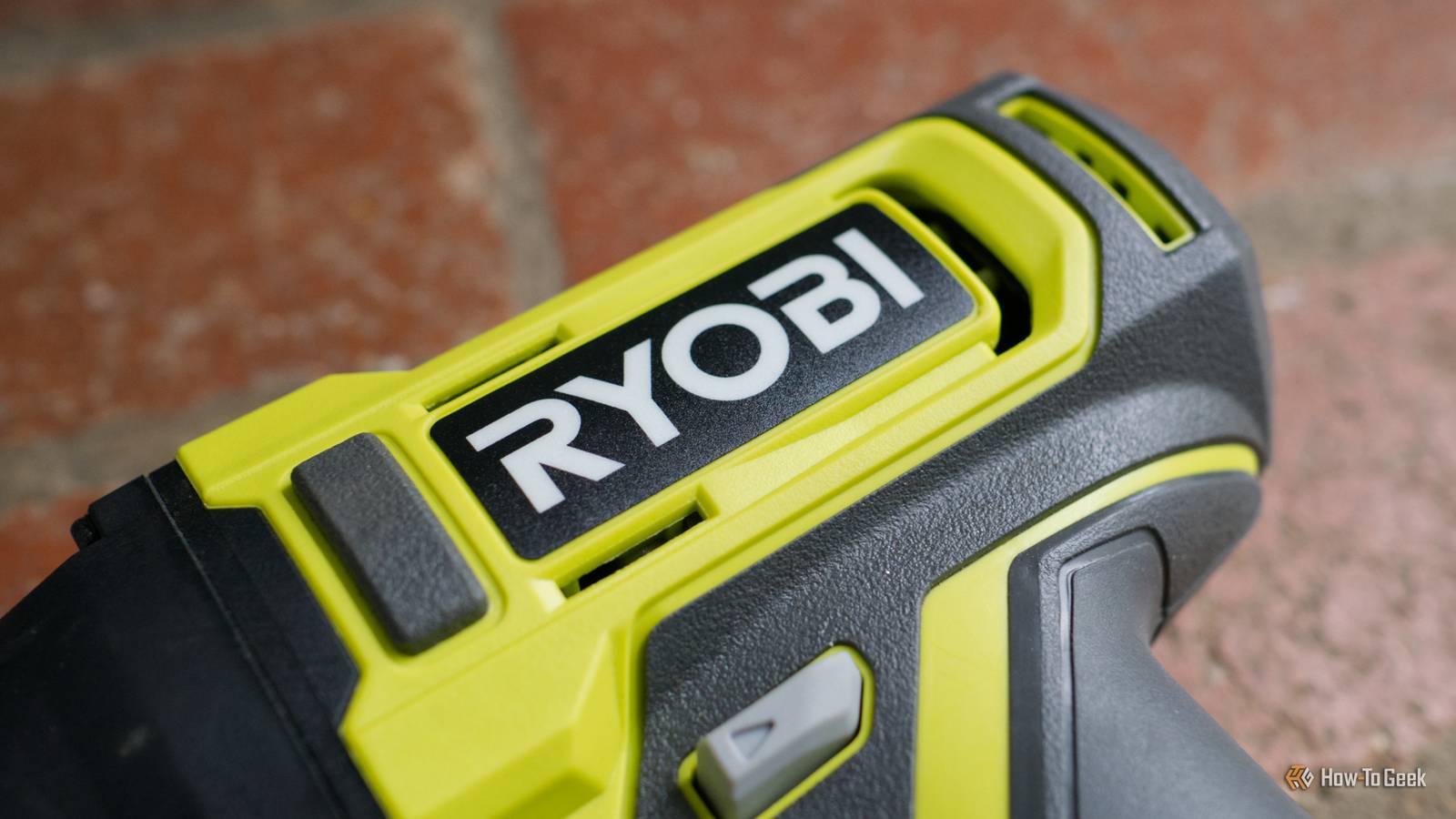
Credit: Tim Brookes / How-To Geek Published Aug 22, 2026, 10:00 AM EDT Tim has been covering technology for almost 20 years, in that time spanning a broad range of topics from security to product reviews. He is especially focused on the Apple ecosystem, productivity, and consumer advice. Over the years Tim has written thousands of articles, reviews, and round-ups in addition to producing video content and original photography. A graduate of journalism, he found his footing as a freelancer with a laptop and loves how he is able to work from practically anywhere. Now a Senior Editor for iPhone, Mac, and Smart Home at How-To Geek, Tim still loves to write. He can also be found crafting round-ups and productivity posts for the Zapier blog. Earlier in his career Tim spent nearly a decade as a writer and eventually Apple section editor for MakeUseOf. Tim currently lives in Brisbane, Australia. Outside of work he loves to hike and work out, play video games, and spend quality time with his wonderful partner and two cats Inka and Roger. Sign in to your How-To Geek account I’m not one to simply buy power tools on a whim; I usually need a good excuse. Recently I decided to take the plunge on an impact driver to see me through a weekend project and into the future. I ended up with a relatively cheap Ryobi model, and I love it. Unfortunately, my other purchase wasn’t as good. Ryobi’s budget options are great for home use I don’t need Makita, Bosch, or DeWalt Power tools have become surprisingly tribal in recent years. Since almost everything is now battery-powered, there’s a logic to this. Buy a set of tools that share the same battery system, swap batteries as necessary, and make considered purchases to expand your power tool arsenal. As much as I wanted to justify the added expense of adopting a system from the likes of Makita or Bosch, for my occasional at-home use I simply couldn’t justify it. Avoiding the very cheapest hardware store home brand effectively left me with one choice: Ryobi. The driver I settled on was available in a kit with a battery and a charger, while the “big boy” brands came in shell-only form. This means on top of spending more on the driver, I’d have to purchase the battery and charger separately. Conceding that I’m no tradesperson and that my use will be limited to odd jobs around the house, Ryobi made a lot of sense. There’s a whole ecosystem of tools I can invest in, many of them frequently on special offer, should I decide that I really need that reciprocating saw. Despite the derision that’s often slung at Ryobi, many DIYers are happy in the ecosystem—especially those of us who aren’t going to put them through a torture test. That said, there are some legitimate reasons you might pour scorn on the brand, and I’m not about to defend the entire range. My choice of driving bits leaves a lot to be desired The bit that matters Credit: Tim Brookes / How-To Geek A new impact driver isn’t much use without a bit set, so I decided I’d pick one of those up too. At the time, I remember thinking that quality matters a lot more than quantity, but my final purchasing decision didn’t reflect that. I ended up with a 150-piece driving kit from none other than Ryobi. I figured it would be nice to have a good range of bits should I ever need them, but the truth of the matter is I’m probably never going to touch two-thirds of them. I paid a little more than $20 for this. I’m sad to report that the quality of the bits is pretty shocking. The first bit I used started to strip almost immediately, and now looks like a turbine after driving a handful of screws through a board and into a stake: Credit: Tim Brookes / How-To Geek Later, I tightened up a few flat-head screws and, after a very brief burst from the driver, the bit now has a visible “wave” to it: Credit: Tim Brookes / How-To Geek For me, this was one of those “should have listened to myself” moments. In my defense, how bad should these bits be? There’s nothing special about the driver I bought; it’s arguably designed to be paired with an equally budget bit set. And yet, first-time use has left me rather disappointed. Just like batteries, I don’t expect bit sets to last forever. But the reality is that spending the same money on a set of 50 or 20 would have made more sense. I’m glad I kept the receipt Fingers crossed The one upside is that the hardware store from which I purchased both items is known to have a pretty generous returns and replacement policy. I’m heading back there on the weekend to attempt a swap. If I don’t get my way, it’s a $20 lesson I’ll have to learn. Perhaps my original approach of only buying what I need as I need it would have come in clutch here. It’s better to build up a set of high-quality bits over time than it is to buy a sub-par bumper pack of things you’re not sure you’ll ever need. Still not convinced that Team Yellow is the brand for you? One How-To Geek writer has been buying Ryobi tools for 20 years and has some thoughts.
My new Ryobi impact driver is great, but I should have spent more on this instead
Full Article
Original Source
Read the full article at Howtogeek →KhanList aggregates and links to publicly available news content. We do not host full articles from third-party sources. Always verify important information with original sources.