
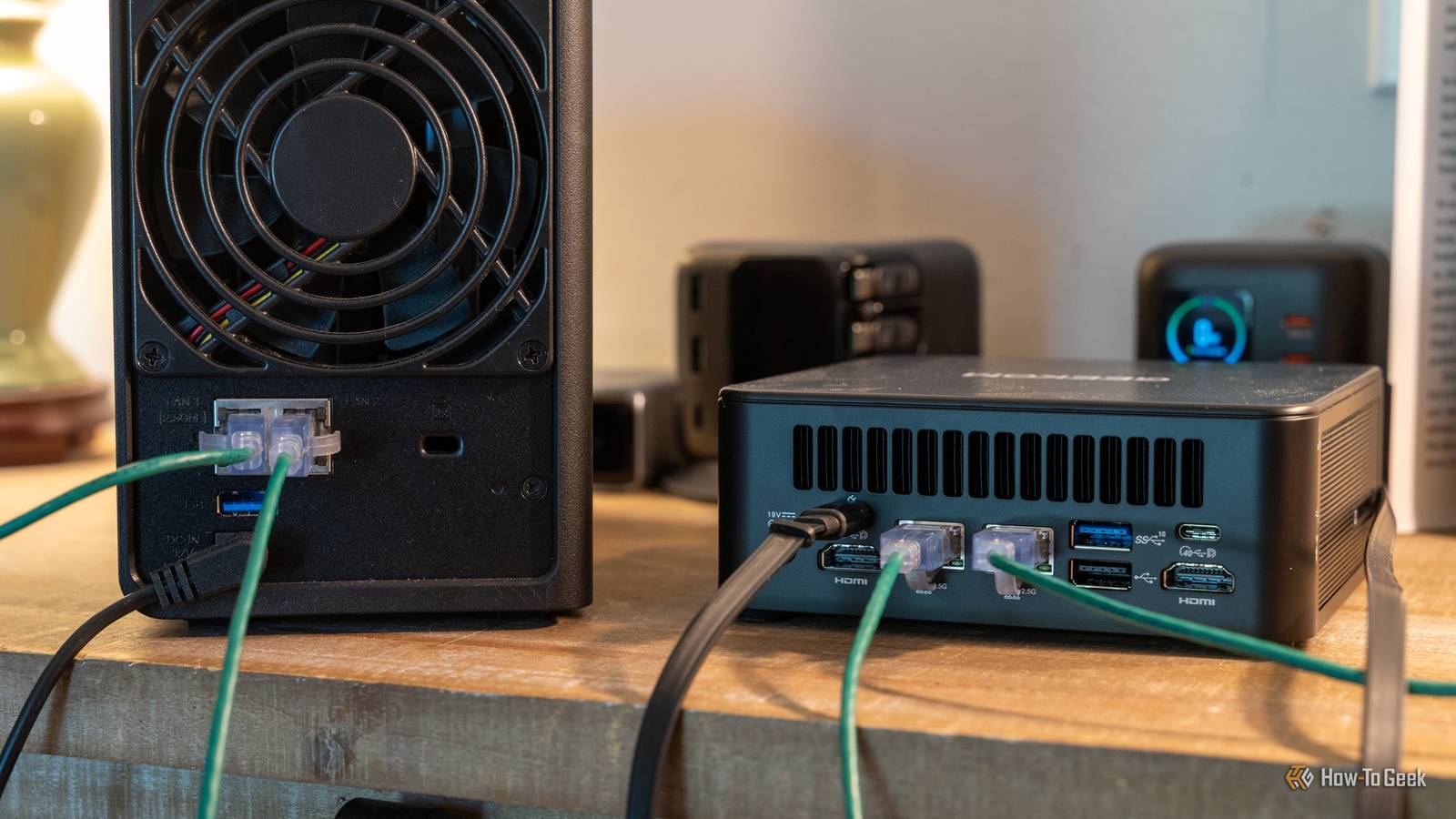
Published Nov 13, 2026, 11:30 AM EST Monica J. White is a journalist with over a decade of experience in covering technology. She built her first PC nearly 20 years ago, and she has since built and tested dozens of PCs. PC hardware is her main beat, and graphics cards and the GPU market at large are her main area of interest, but she has written thousands of articles covering everything related to PCs, laptops, handhelds, and peripherals. From GPUs and CPUs to headsets and software, Monica's always willing to geek out over all things related to computing. Outside of her work with How-To Geek, Monica contributes to TechRadar, PC Gamer, Tom's Guide, Laptop Mag, SlashGear, Whop, and Digital Trends, among others. Her ultimate goal is to make PC gaming and computing approachable and fun to any audience. Monica spends a lot of time elbow-deep in her PC case, as she's always making upgrades, testing something, or plotting out her next build. She's the go-to tech support person in her immediate circle, so she's never out of things to do. Whenever she has spare time, you'll find her gaming until the early hours and hanging out with her dog. Homelabbing is a true marvel of home computing. You're the master of your own services, you get to run a NAS, experiment with servers, and take full control of your network. That's fantastic, but sadly, homelabs are not without their downsides. A new report from Bitdefender and Netgear shows that people who own a NAS, remote-access services, or a collection of always-on devices have a lot to worry about. If that's you, your exposed networking equipment could be a tasty morsel for hackers. The latest security report has some terrible news for NAS owners Our favorite storage devices are among the most vulnerable Credit: Patrick Campanale / How-To GeekCredit: Patrick Campanale / How-To Geek If you're a homelabber with a NAS, I've got some pretty unpleasant news for you that might have you rushing to tighten the security of your devices. According to the 2026 IoT Security Landscape Report from Bitdefender and Netgear, network-attached storage accounted for a whopping 22% of all recorded vulnerability observations across connected home devices. That's approximately 261.6 million observations involving NAS devices alone! The only categories that performed even worse were smart TVs (22.7%), which are infamous for security problems, and smart plugs (22.4%), which suffer from the same issues. Not exactly the kind of company you want your precious NAS to keep. The report went through roughly 10.4 million protected home networks between January and September this year, and that led it to discover a massive 5.4 billion security events and around 1.2 billion vulnerability observations. Honestly, all this stuff makes me appreciate the importance of keeping my network safe. Those numbers are terrifying, especially when put in the context of the kind of data we trust our NAS devices and homelabs with. Now, before you go on an unplugging rampage, there's an important distinction to make: these figures represent observations of known vulnerabilities, not successful attacks or the number of individual devices that were hacked. That'd be next-level wild (or next-next-level). Still, these numbers are a good reminder to stop exposing your NAS to the internet, as it can be risky to do. Especially if you've been using the same device for years, it's easy to forget or miss an important update and leave your whole network with a gaping hole right down the middle. Your home network is probably being scanned constantly Hackers don't have to know who you are to find your servers You'd think that unless you get up to some particularly risky stuff, your own network is of zero interest to anyone, hackers included. While it might be true that your devices aren't likely to be some high-profile target for all hackers to look at, that doesn't make them of zero interest, or, indeed, immune to cybersecurity threats. Here's something that you might find a bit uncomfortable: Hackers don't need to know who you are, or even that you have a homelab, to come knocking. Automated bots constantly scan public IP addresses looking for open ports or vulnerable services, and the Bitdefender report paints a pretty grim picture of just how common this is. Researchers recorded approximately 4.85 billion port-scanning events, accounting for 90% of the detected attack-category activity. They also observed around 466 million brute-force attempts. Fortunately, a scan doesn't mean someone's gained access, but I personally feel a little uncomfortable at the mere thought of hackers becoming aware I exist. Every service you self-host is another thing you need to secure One forgotten port can cause a surprising amount of trouble One of the best things about homelabbing is that you can self-host pretty much anything you want. Plex, Jellyfin, Nextcloud, Home Assistant, various Docker containers... You name it, you've got it. But here's the downside: Every service you add is another potential entry point for attackers, especially if you're making it accessible from outside your home network. Port forwarding is often the culprit, but features like UPnP can also open ports automatically without you realizing it. And if you've got a dozen services running, keeping track of which ones are exposed, properly secured, and fully updated can become a bit of a nightmare. That's why I recommend keeping your home server off the public internet whenever possible. Our love for old hardware can work against us An outdated NAS or router is a security liability One of my favorite things about homelabbing is that you can give old hardware a second life. An aging PC can become a home server, an old router can find a new purpose, and a NAS can keep chugging along just fine for years and years. Unfortunately, that same love for repurposing hardware can come back to bite us. Older devices may no longer receive firmware updates or security patches, leaving known vulnerabilities wide open for attackers to exploit. In fact, the Bitdefender report found that 99.97% of vulnerability observations involved publicly documented CVEs, meaning these weren't some mysterious, one-off situations; they were vulnerabilities the world already knew about. It's not just old hardware you have to worry about: outdated OSes, Docker containers, hypervisors, etc. can all introduce vulnerabilities all on their own. Be vigilant with your updates. You don't have to give up homelabbing to stay safe None of this (admittedly scary) stuff means you need to abandon your homelab and go live the remote life of a hermit in a lush, green forest somewhere. However, it's definitely a good reminder that you should take the security of your network seriously. Keep up with those updates, get rid of that port forwarding, use strong passwords always, and consider separating your more vulnerable devices onto their own VLAN. A little maintenance goes a long way toward keeping your network safe.
It's official, homelabbers are the most likely to be targeted by hackers
Full Article
Original Source
Read the full article at Howtogeek →KhanList aggregates and links to publicly available news content. We do not host full articles from third-party sources. Always verify important information with original sources.