
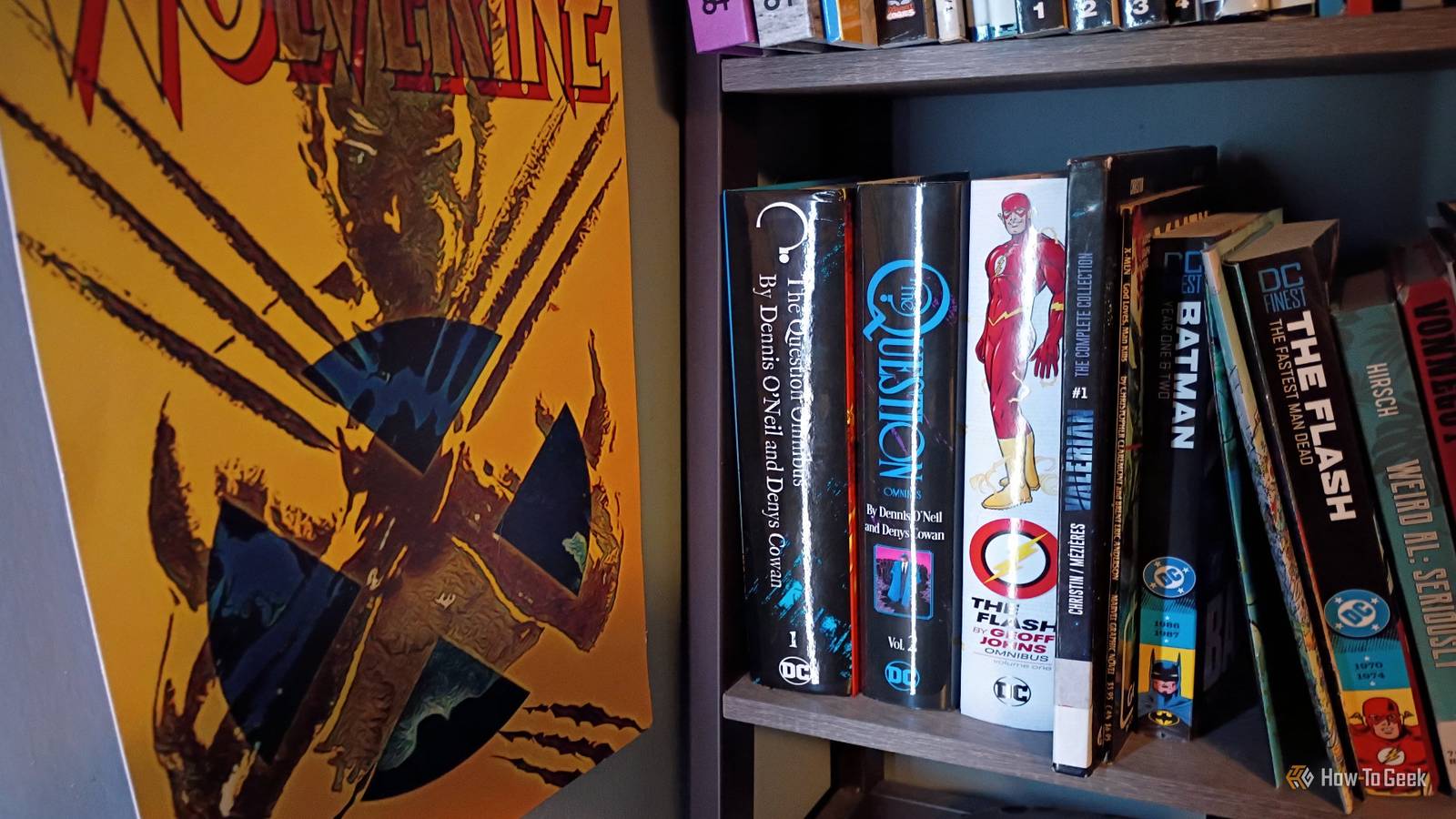
Published Nov 29, 2026, 8:30 AM EST Former radio and TV guy (I Heart Radio and PBS). Now a writer, researcher, and musician who writes about the absurdity of our modern world and other offbeat topics. Specializes in weird music, the old web, retro video games and tech, and researching strange, yet interesting things. His work has appeared in Vice, Tedium, Star Trek.com, Today I Found Out, Typebar, SyFy Wire, and How To Geek. Currently working on a variety of music, web, and writing projects. Visit him on the web at https://djbuckfreelance.neocities.org/. I love collecting things. There's just something satisfying about acquiring, organizing, and enjoying the things you love. I actively collect comics, radio shows, and retro games. In the past, I've also collected plenty of books by certain authors, CDs, and guitars. Originally, I used spreadsheets to keep track of things. But as the collection grew, I got overwhelmed and began using different self-hosted, open-source tools. Here are the ones I use to keep my collections organized. Koillection is still my go-to for comics and omnibuses A favorite Docker tool for my chaotic comic collection I've been collecting comics, mostly single issues and trade paperbacks (TPBs), for a very long time. Last year, I took the plunge into the world of omnibus collecting and realized I needed to keep track of them better, especially because I just can't stop picking them up. If it says DC on it, I'm interested. I regularly use a self-hosted collection tool called Koillection for tracking my books. It gives users a ton of customization, allows me to find things easily, and makes organization/retrieval a breeze. It's a great app for tracking recent purchases and wish list items as well. When I make a trade or sale, the app makes it simple enough to adjust my collection details. In addition to physical books, I also keep track of my digitally purchased comics in the app. It's just ideal for comic and graphic novel collections. I may try a different Docker Container down the line for non-graphic novels/comics, but Koillection is still the collection king for me. Tracking my homebrew games To be completely fair, Koillection could be the hub for my entire collection. However, since I divide my collections into several different areas, it's easier to use other apps for different media on occasion. Retro gaming is one of them. I’ve been collecting NES and retro games for a long time, since before it became a “hobby.” I like to joke that I have a backlog going back 30 years (I kind of do). After careful consideration, I began purging, selling off, and curating the collection. I still use Koillection to track physical NES carts, but switched to something else for digital games. I buy a lot of homebrew NES titles (many of which I purchase directly from the publisher, through itch.io, or back on Kickstarter). It got to a point where I had a bad habit of not tracking or playing them at all. So I started using a self-hosted tool called RomM to track my games. It's technically for a ROM collection. It scans your ROM folder, then pulls the game and metadata. It'll also sync saves and states between devices, which is pretty handy. I can have RomM running on my server and access it on my phone (so I can update my list in real time). It helps organize my collection, but my favorite part is that you can actually use it to play the games in your browser if you want to. It's a wonderful tool for managing a digital collection and makes me enthusiastic about buying more titles in the future. Managing my radio show and audiobook collection A simple self-hosted tool saves me a lot of trouble I love classic radio shows and audiobooks. In my younger days, I spent a ton of time crate-digging for radio shows (and books on tape/CD), both physically and digitally over the years. So my radio show collection covers CDs, vinyl, cassettes, and digital. Keeping track of all that stuff got so overwhelming that at one point I just stopped doing it for a while. Over the past few years, I've been rescuing and organizing that data. So, you might be asking, why do I keep my radio shows/audiobook collection database separate from my comics and retro games? It's for a practical reason: my brain likes it better when the collections aren't mixed or tracked together. Also, I have around 400 GB of radio shows (and boxes full of physical media). So it's a whole thing. Anyhow, I've been using Audiobookshelf (I set it up with Docker Compose) to track all my radio show collections. I've spent years buying source recordings and digitizing them, so managing them seemed like a logical step. Audiobookshelf in particular is great because it doesn't just keep track of the show file. It reads ID3 tags, manages folders with a specific structure, and lets me edit chapters. Some shows are single, long-form files, while others are tracked in segments. Many of them needed metadata added manually. So, the Audiobookshelf has been a massive time-saving tool for me. I am 100% going to keep using this self-hosted app as my collection grows. Collecting is even better with self-hosted tracking apps For a while, I got completely overwhelmed with tracking my collections, occasionally to the point where I just wanted to leave the hobby altogether. Thankfully, self-hosting my tracking tools made keeping track of my collection so much better. Koillection is obviously the powerhouse, but mixing it up with a few other apps brought the fun back for me. And as a hyper-focused collector, that matters a lot.
I'm a collector, and these 3 self-hosted tools help me organize everything
Full Article
Original Source
Read the full article at Howtogeek →KhanList aggregates and links to publicly available news content. We do not host full articles from third-party sources. Always verify important information with original sources.