
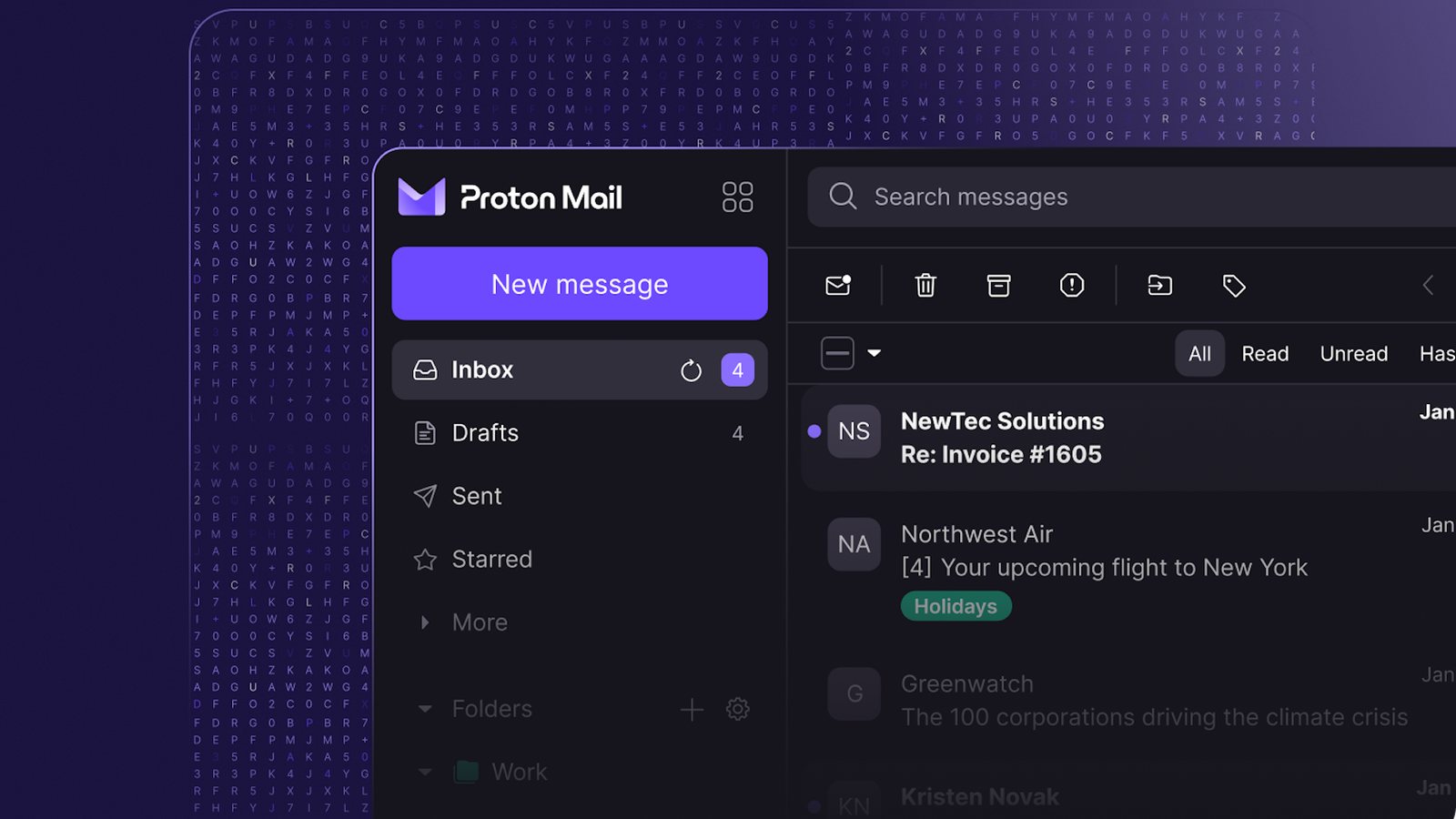
Published Jul 24, 2026, 7:30 AM EDT Graeme Peacock is a seasoned Linux expert with more than 15 years of hands-on experience. He has worked extensively with Ubuntu, Gentoo, Arch Linux, Qubes, and Fedora, gaining deep proficiency in everything from routine terminal operations to highly customized system builds. Graeme began his journey with Ubuntu, quickly mastering the command line and essential system administration skills. A year later, he moved to Arch Linux, where he spent nearly a decade refining his expertise through the installation and configuration of multiple minimalist systems. After some time, he moved to Gentoo, where he configured and compiled both server and desktop environments using normal and hardened profiles and frequently compiled custom kernels. Graeme moved to Qubes in 2016, where he has remained ever since. Graeme has extensive experience with highly configurable tools such as Vim, Neovim, and Emacs, and he maintains his own complex configurations. He is also highly proficient with Bash, Zsh, and dozens of utilities. Graeme holds a B.S. in software engineering and has a strong passion for programming and web development. He is proficient in Golang, Python, Bash, JavaScript, TypeScript, HTML, and CSS. He also has considerable experience with Docker and is currently working on learning Kubernetes. Google offers some very convenient and highly advanced software—there's no doubt about that—but it comes at the cost of pervasive user tracking. Not everyone is comfortable with that, and some of those who have yet to ditch Google surely have a nagging sense of unease, knowing their private lives are logged, monitored, tracked, and profiled. You can do something about it, and learning about great alternatives is a start. For nearly 9 years, an anti-Google movement called de-Google has quietly grown on Reddit. It's a privacy-focused community whose members share how they cope in a world without Google products—what works and what doesn't. Its existence is a testament to how deeply entrenched Google is in our lives; it's like a support group for former addicts, quietly suffering on the fringe of society. I've always been pro-privacy, and naturally gravitate toward software that respects it. These are the four ways (of many) I live without Google. You can subscribe to them without an account This is a big one. I spend a great deal of time on YouTube. Some would say procrastinating, but I genuinely gain a lot of useful knowledge from it—whether it's technical conference videos, product previews, or other people's ideas. I often record them in my note-taking system, and so YouTube is a crucial part of my life. Giving it up would be a major blow to me. Luckily, Google assigns an RSS feed to each YouTube channel. RSS, for those who don't know, is a structured text document with a list of articles inside. An RSS reader interprets it and can extract YouTube links with their titles and a description, displaying them like a regular web feed. Since the early days of the internet, people have used these readers to consume digital content, aggregating many sources into one place, and YouTube makes this possible for its videos. Subscribing to a channel feed is simple: grab an RSS reader and a web extension that can pull the appropriate RSS links from a page. Visit the channel you're interested in, copy the address, and paste it into your reader. You'll now receive periodic updates straight from the source. Google Search has serious competition You have at least four solid choices While Google is still king of search, rival engines are quickly catching up. I used DuckDuckGo for years, and the results were decent because it uses Bing's search index. A search index is much like the index at the end of a book. An alphabetized (or semantic) ordering of information that lets computer algorithms efficiently search over billions of "indexed" web pages. For stronger results, look at Startpage, which is a proxy for Google. You'll get Google's search results, with none of the tracking. Brave and Mojeek are two options that have entirely independent search indexes, and that has long-term ideological implications—freeing yourself from dependency on big tech is the first step. Of course, until Brave or Mojeek become big tech. I've recently covered alternative search options, so you should definitely check that out for more in-depth analysis. Proton Mail instead of Gmail Email is not private, but Proton's focus is privacy If someone were reading your physical mail before dropping it through your mail slot, you wouldn't stand for it. This is the potential reality with email services in general. Google claims it doesn't read emails, but we all have that thought in the back of our minds. It's not just Google though; you can't really trust any company with your private information unless it's encrypted. Unfortunately, email lacks end-to-end encryption, so email providers can read mail at some point, and no solution offers a 100% guarantee. However, I need an email account, and so I choose to go with privacy-first organizations that build the infrastructure to back up their word. Proton Mail was one of the first to do this, and it chose a legal jurisdiction with strong privacy laws. However, the world is changing fast, and even Switzerland now wants to plunder your data. Our options for privacy are dwindling, but we still have people who care, whether at Proton Mail or another great alternative, Tuta (formerly Tutanota)—just not Gmail, Outlook, or any of the big tech firms. Proton Mail works well, encrypts mail at rest (when it's stored), and even hosts its own infrastructure in secure data centers. The base package (with one email address) is free, but Proton Unlimited adds 500GB of storage, 15 extra email addresses, support for three custom domains, unlimited hide-my-email aliases, a VPN, and an encrypted password manager. Proton Drive instead of Google Drive End-to-end encryption means snooping is impossible Your documents are highly personal. They're unique to your life and say a lot about you—they're an extension of who you are. Sensible people want to guard them, and so leaving them unencrypted on a hard disk you don't control is not how you do that. Many imagine the cloud is some far-off abstract concept where your data lives and nobody pays attention to it. That's not always true, and advances in AI have made comprehending unstructured data like text and images much easier. Cloud providers can swear they don't scan until they're blue in the face, but the doubt lingers in our thoughts. The only sure-fire solution is encryption, but it's rarely free. However, most services will offer a no-cost tier to entice you, and if you opt for Proton Drive, you'll receive access to free-tier storage, which is 5GB at the time of writing. It's an end-to-end encrypted cloud drive, which means Proton never sees the raw encryption key or the unencrypted content. All Proton products work this way, and they were one of the first—that's why I've stuck with them. Paying for such services makes you the customer, not the product. Encryption is a strong guarantee that there's no funny business happening. Proton Drive 6/10 Number of Accounts 1 Price Per Month Starting at $5 Apps Included Some bundles include Proton Mail, Proton VPN, and Proton Password Manager Cloud Storage Starting at 5GB It's more than privacy—there's a moral obligation too These four alternatives only scratch the surface, and Google has its tentacles reaching far into everything we do. Android is the biggest problem of all, but I solved that years ago by not using smartphones. I promised myself I would wait until things got better, and they didn't, generally speaking. There is one saving grace, GrapheneOS, which sandboxes Google services and employs advanced privacy features. It's certainly enticing, but the alarm bells are ringing in my ears: general sentiments of suspicion and Google's tightening grip on the Android ecosystem. These only signal how valuable your smartphone data is, and that should scare you. Your data is not a joke. While you may survive a lifetime of corporate surveillance, panopticon-like intrusions into people's personal lives are morally wrong, and they have wider implications for the society we're letting develop. As we grow accustomed to insidious surveillance, big tech takes a little more from us each time. Now we're moving into a world of personalized artificial relationships, and it's getting weird. Relying on companies that value my agency and privacy is the first stand I've taken.
I de-Googled my life with these 4 free privacy tools, and I'm not looking back
Full Article
Original Source
Read the full article at Howtogeek →KhanList aggregates and links to publicly available news content. We do not host full articles from third-party sources. Always verify important information with original sources.