
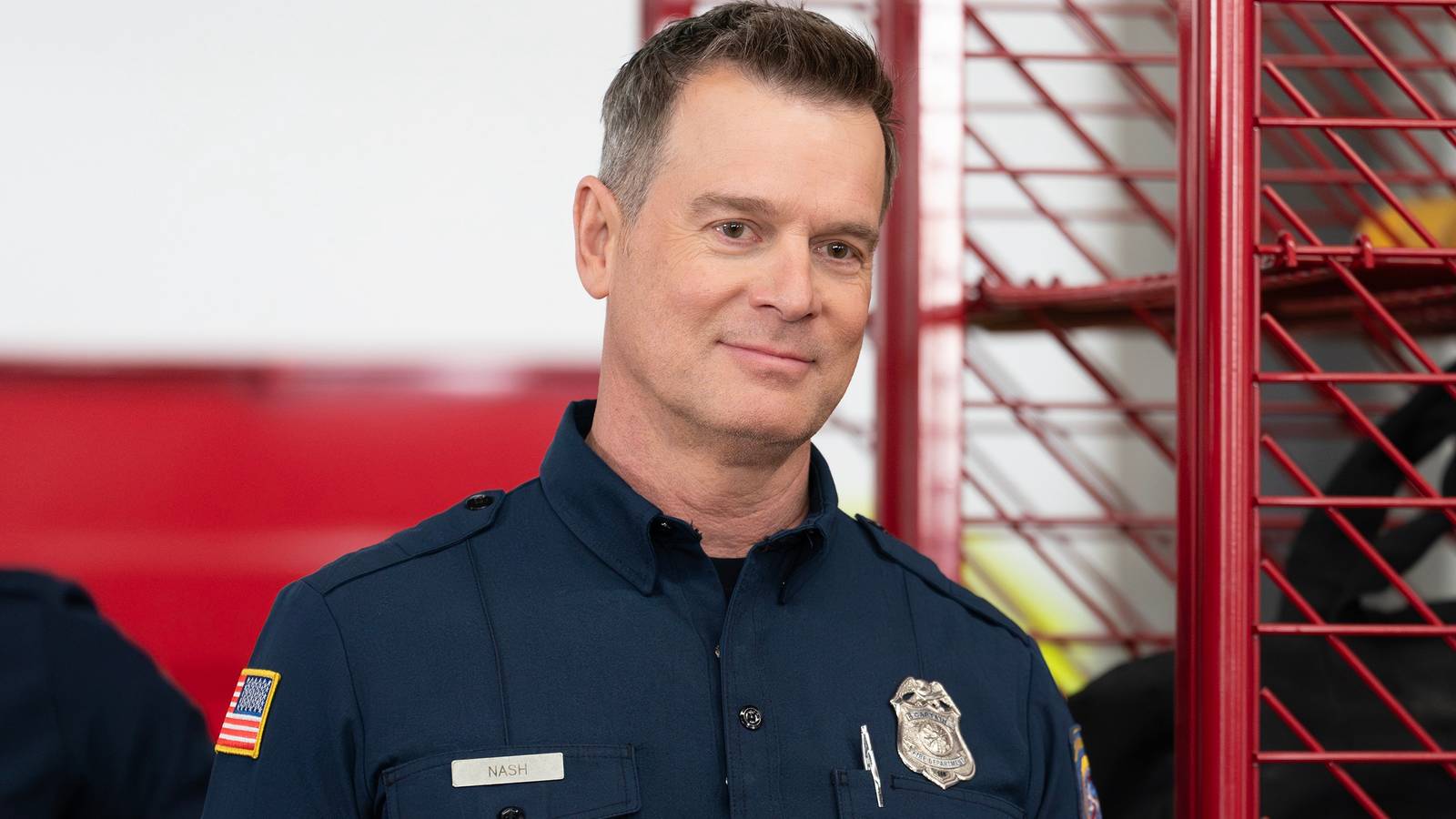
Published Sep 27, 2026, 6:45 PM EDT Shealyn Scott is a Senior Writer at Screen Rant. She has been writing for the site since 2024, focused on network, reality, streaming, and classic television. A creative writer, journalist, and lover of the written word in all its forms, Shealyn enjoys deconstructing scenes from her favorite shows, using context clues and historical precedent to predict major plot points (which, due to her successful track record, has sparked rumors of clairvoyance). As an award-winning student journalist, Shealyn spent her college years advocating for the humanities while studying English Literature. Her love of storytelling propelled her to expand her degree with minors in Writing and History, believing life to be a mere collection of stories that can be framed in as many ways as a movie scene. As a Senior member of the TV Team, Shealyn treats the series she covers like books, analyzing every line, camera angle, and lighting choice. Thankfully, her personal mission statement lines up perfectly with Screen Rant: every creative work deserves just as much thought from the viewer as it received from its creator. Losing Peter Krause was a brutal blow to 9-1-1 fans, but Bobby Nash's death was not in vain. Since its 2018 premiere, 9-1-1 has gradually cemented its spot as one of the best TV procedurals on air. With a mix of absurd medical emergencies, high-stakes natural disasters, and a healthy dose of workplace hijinks, the ABC drama has cultivated a devoted following. Considering the show's diverse ensemble cast has always been its greatest strength, however, major character deaths have consistently been 9-1-1's most controversial narrative tool. Just as contemporaries like Grey's Anatomy paved the way to kill off memorable side characters, 9-1-1 has often employed death as an effective storytelling tactic, be it a civilian taking a fatal fall just after a heartwarming proposal or a retired firefighter succumbing to illness as a way to rattle the central Los Angeles Fire Department station 118. Regardless, there was always a perceived sense of safety for the main characters, as heroes like Evan "Buck" Buckley (Oliver Stark), Eddie Diaz (Ryan Guzman), Athena Grant (Angela Bassett), and Bobby typically had plot armor to save them from their demise. Consequently, season 8 taking the plunge and giving the beloved fire captain a permanent sendoff marked a turning point for the series at large, and 9-1-1 has been in a post-Bobby Nash rebuilding era ever since. While ABC continues to figure out what the Ryan Murphy procedural looks like without Bobby, however, Peter Krause has returned to network TV with a bang— and it could have a significant ripple effect on the television landscape at large. As such, 9-1-1's most contentious moment may have been for the better after all. Why 9-1-1 Killed Bobby (& Why It Was So Divisive) Whether you watched every episode of 9-1-1 or only tuned in for the larger-than-life opening emergencies, it was clear at a glance that Bobby was far more than the 118's captain. For characters like Henrietta "Hen" Wilson (Aisha Hinds) and Howard "Chimney" Han (Kenneth Choi), he was a longtime friend and colleague. For Athena, he was a second chance at lifelong love. For Buck and Eddie, he was a mentor and bona fide father figure. Bobby was so integral to the show's foundation, in fact, he felt untouchable— until the end of 9-1-1 season 8, at least. Two-part special events have long been divisive for 9-1-1 viewers, but season 8's "Contagion" saga went beyond the pale. When a call at a volatile laboratory goes awry, Chimney is infected with a quickly-progressing strand of a life-threatening disease. Sadly, as soon as he is administered the lone antidote, Bobby reveals that he was also exposed, revealing he knowingly sacrificed his life for the team. In the tear-jerking final scene, Athena can do nothing but watch her husband become a martyr. Without question, Bobby had one of the most notorious network TV deaths in modern history, but 9-1-1's explanation for writing off the iconic character only poured salt in the wound. According to showrunner Tim Minear, Bobby dying in the field was meant to imbue the show with realism and remind the viewers of the ever-present danger that comes with being a firefighter. Fans and critics alike quickly took issue with this logic, as 9-1-1's very prominence was mainly due to its outlandish and, at times, camp writing. Plus, considering season 8 began with a literal bee tornado— and season 9 followed up by sending Hen and Athena to space— many viewers believed the "realism" angle was nothing more than a budget-friendly excuse to fire Peter Krause. Nevertheless, the executives at the helm maintained that Bobby's death was an intentional decision made strictly for the show's benefit. Of course, the jury's still out on whether that plan succeeded, and 9-1-1 season 10 will undoubtedly determine the series' future. 2 Years Later, Bobby's Death Is Ultimately Good For Peter Krause Similarly, veteran fans of Peter Krause lamented Bobby's death, as it put a definitive end to one of his biggest roles, but the bereavement may have been precisely what his career needed. Krause currently holds one of the most impressive records in network TV history, as he has been credited with a main role every year since 1998. When Bobby was killed off, it not only robbed 9-1-1 viewers of their favorite fire captain— it jeopardized Peter Krause's very legacy. Thankfully, NBC's Line of Fire swooped in for the rescue. The delightfully unique blend of political thriller, family drama, and classic procedural has passing similarities that echo Krause's tenure on 9-1-1, but his role as patriarch Mike Hollingsworth is an immensely refreshing change. Mike and Bobby are drastically different characters, which allows Krause to both show off his incredible acting range and enjoy the spoils of etching out a brand-new character from scratch. To that end, it's no surprise Krause has called Line of Fire one of the "most exciting" shows of his career thus far (via People), as it has given his television presence a new lease on life. Furthermore, Krause's absence has forced 9-1-1 to go back to the drawing board when it comes to its under-utilized cast of characters. Season 9 was far from perfect, but it offered viewers bold new spins on an ensemble that was growing dangerously stagnant. With Bobby gone, characters like May (Corinne Massiah), Harry (Elijah M. Cooper), and Ravi (Anirudh Pisharody) have had the opportunity to flourish, while Chimney has undergone more character development in one season than he has in years. Without question, Bobby still haunts the narrative, but between 9-1-1 subverting expectations and the overwhelmingly positive critical response to Line of Fire, Krause's exit seems like a net positive in hindsight. Yet, if the NBC original can keep up with its roaring momentum, Line of Fire may leave an industry-wide impression. Line Of Fire Has The Potential To Change Network TV NBC The Line of Fire series premiere was a phenomenal start, but the NBC drama's totally original storytelling could backfire at any moment. Whereas the vast majority of network television uses a procedural format that allows viewers to ease in at any point, Line of Fire is taking notes from streaming hits and opting to incorporate serialized narratives with artful cinematography as well. As a result, the NBC original will, in theory, be the best of both worlds. There will reportedly be 13 episodes in Line of Fire season 1. Should Line of Fire's experimental design succeed, it could prove revolutionary for the industry. In a world where most viewers are inundated with exhaustive reboots, remakes, and spinoffs of already established IP, NBC is doing something genuinely innovative— and, if Line of Fire continues to impress, competitors will have no choice but to follow suit. There's no telling whether Peter Krause will have eight entire seasons as Mike Hollingsworth, but if NBC manages to upset the status quo and force networks to be more creative, Bobby Nash's death may have been a worthy sacrifice. Line of Fire airs Mondays at 10 p.m. ET on NBC. Source: People Release Date September 21, 2026 Network NBC Showrunner Joshua Safran Directors Rebecca Thomas Writers Joshua Safran Cast Peter Krause Mike Thornhill Tommy O'Brien Micah Thornhill Kat Cunning Clare Thornhill
I Can't Believe I'm Saying This, But I'm Happy 9-1-1 Killed Bobby
Full Article
Original Source
Read the full article at Screenrant →KhanList aggregates and links to publicly available news content. We do not host full articles from third-party sources. Always verify important information with original sources.