
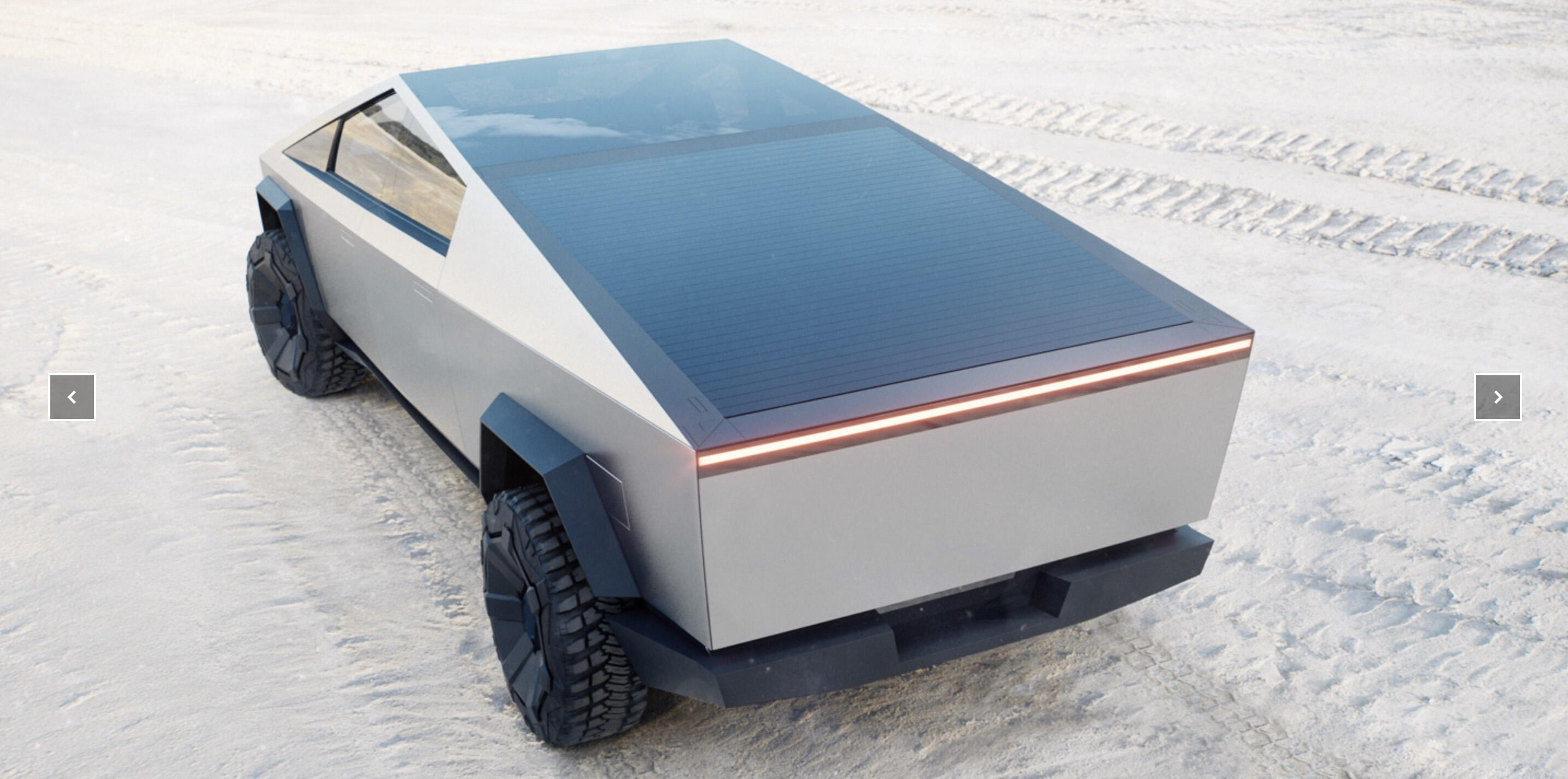
Tesla CEO Elon Musk announced the end of the brand’s most ostentatious model, the Cybertruck, in a post on X late Thursday night. Tesla will begin winding down production of the wedge-shaped pickup at its Texas Gigafactory “around the middle of next year,” Musk said, to boost manufacturing capacity for its Cybercab robotaxi. Tesla will be winding down production of the Cybertruck at Gigafactory Texas around the middle of next year to make room for increased Cybercab production— Elon Musk (@elonmusk) November 6, 2026 The Cybertruck will not be missed by many. Sales have been so low that Tesla doesn’t even separate them out in its financials — lumping it into an “Other models” column — with experts estimating numbers significantly lower than Tesla’s built-out manufacturing capacity and far below Musk’s sales goals. Meanwhile, Tesla and Musk have increasingly shifted their focus to AI, robotics and autonomy as the brand’s future. So long, Cybertruck Tesla unveiled the edgy, all-electric pickup truck at an event in 2019, and the cracks were already beginning to show in many of Musk’s most outlandish claims surrounding the truck. (In the case of the “bulletproof” glass, the cracks literally showed.) After multiple delays, deliveries finally began in 2023. Musk had spent the intervening four years baffling people by making (and subsequently retracting) many truly bizarre statements about the EV’s capabilities, but the first nail in the Cybertruck’s coffin was the starting price, which had ballooned to $60,990, up from the initial $40,000 target touted at debut. Over its lifetime, the Cybertruck struggled to meet even the most basic expectations, contending with reliability issues, multiple recalls and a penchant for eating its owners’ fingers. It didn’t help that the sci-fi-styled EV arrived around the same time Musk became deeply involved in US politics and policy, and has become known as something of a rolling dog whistle for those who agree with the billionaire’s increasingly unpopular ideologies. Customers were presented with a niche EV that was more expensive than expected, unsafe, unreliable, unpopular and unattractive. It’s no surprise that sales have suffered, with some experts predicting that since its arrival on US roads, Tesla has sold only about 10% of Musk’s Cybertruck goals. That’s despite Tesla building out an estimated 125,000-unit annual manufacturing capacity at the Texas Gigafactory where the truck is built, leaving the automaker with a huge stock of unsold, unwanted inventory sitting on its lots. One of Musk’s other companies, SpaceX, bought $131 million worth of Cybertrucks last year. Robotaxi ramp-up The Cybertruck’s 2027 wind-down will make way for increased capacity for the fully autonomous Cybercab, which debuted in 2024 and is slated to ramp up production in Texas next year. Pitched as a robotaxi that you could own for “under $30,000,” Tesla began offering rides in its steering-wheel-free Cybercab in limited parts of Austin in early September — a stunt that immediately prompted a federal investigation into whether the self-driving vehicle meets federal safety standards. The Cybertruck joins the Model S and X on Tesla’s 2026 chopping block. The electric sedan and SUV were discontinued in January to make room for production of the Optimus humanoid robot at Tesla’s factory in Fremont, California. That will leave just the Model 3 and Model Y in Tesla’s consumer car lineup until the brand’s next rolling publicity stunt, the high-flying Tesla Roadster, allegedly arrives in 2028. Antuan has nearly 20 years of expertise and experience testing hundreds of cars, including electric, hybrid, plug-in hybrid, hydrogen, and traditional combustion vehicles. See full bio
Good Riddance: Tesla to End Cybertruck Production in 2027
Full Article
Original Source
Read the full article at Cnet →KhanList aggregates and links to publicly available news content. We do not host full articles from third-party sources. Always verify important information with original sources.