
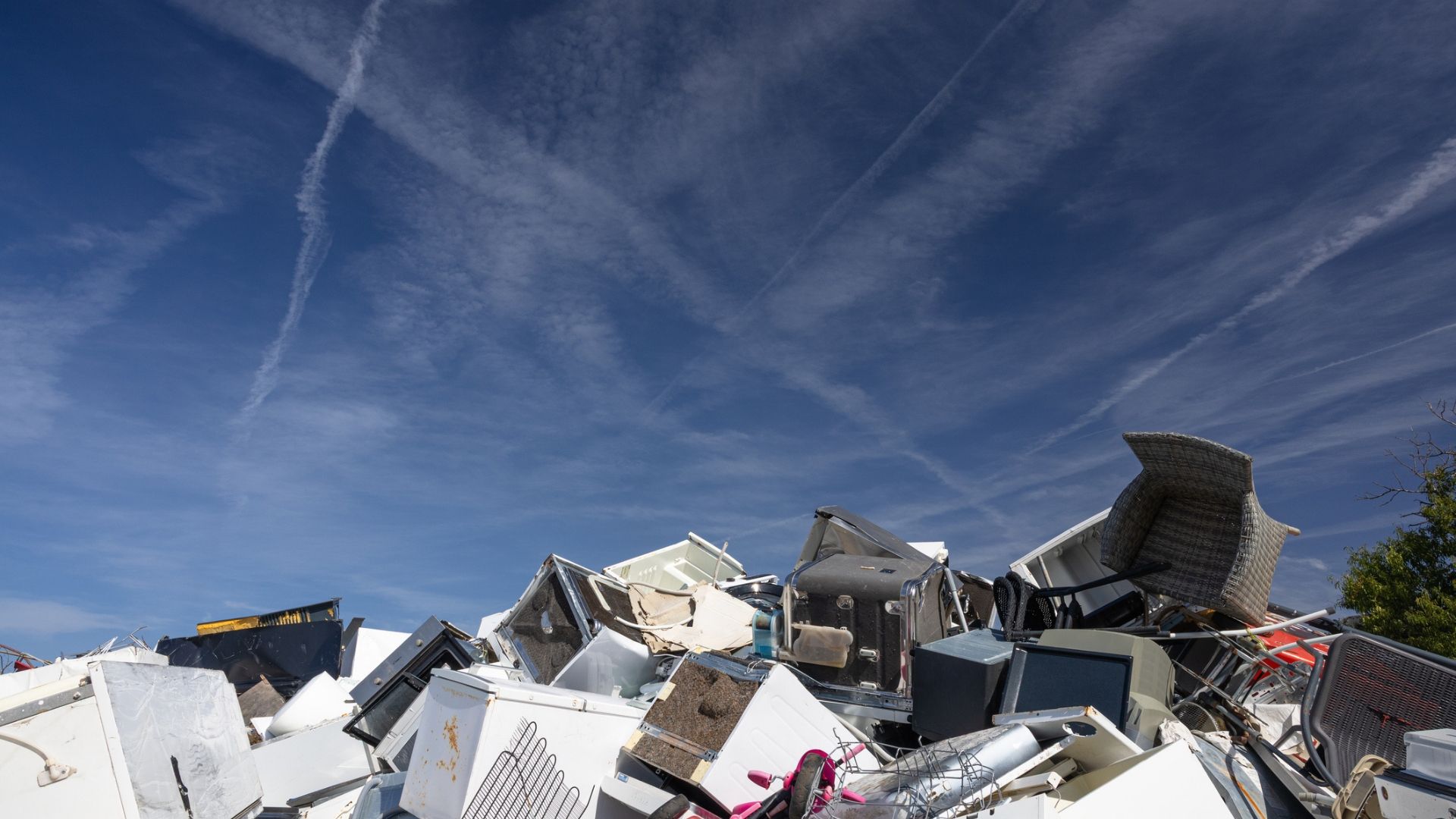
Key TakeawaysA new fast-heating method recovers approximately 90 percent of Antimony from plastic electronic waste.The team briefly flash-heated the lab's plastic waste to high temperatures using electricity.The plastic spent only 9.4 milliseconds between 392 and 932 degrees Fahrenheit, leaving little time for organic bromides to form toxic compounds. Researchers from Rice University have developed a new fast-heating method to recover approximately 90 percent of Antimony from plastic electronic waste. Antimony is the element behind the flame-retardant capacity of plastic casing that is used in electronic devices to prevent the risk of electrical fires. In this new method, the team electronically heated the plastic waste generated from their lab briefly at high temperatures, which allowed antimony to evaporate and condense in the collection area. Plus, the plastic spent only 9.4 milliseconds between 392 and 932 degrees Fahrenheit, leaving little time for organic bromides to form toxic compounds. Antimony is rapidly depleting, as nearly 39 percent of global supplies are consumed in manufacturing flame-retardant plastics, most of which ultimately end up in landfills. Global flame-retardant production is projected to reach 82 million metric tons in 2030, alongside tens of millions of tons of annual electronic waste. This escalating demand poses a severe threat to future mineral reserves. Flash heating holds key Cutting off at the pass, U.S. researchers explored ways to recapture this important raw material that ends up in the heaps of e-waste after the end of life of the electronic devices. Traditional recovery methods use slow heating to release the metal before capture. This poses a huge environmental and health risk because such treatments release toxic organic bromides, which are another key component of flame-retardant plastics in forms that are difficult to capture. ”Conventionally, heating the plastic releases the antimony in a volatile and difficult-to-collect form as well as creating and releasing hazardous organic bromide compounds,” said Leo Haoxin Ye, the first author of this paper and a graduate student in James Tour’s lab at Rice. “Other options are risky or more impractical, such as using strong acids, organic solvents, or multistep treatment options.” According to the team, slowly heating a material allows the element to change form and create new compounds, which could be hazardous. Recognizing slow heating as the culprit, the team turned to Tour’s flash heating method. It heats the material in just a few milliseconds, rapidly raising its temperature to hundreds of degrees Celsius. The improved method was called isothermal-clamped flash Joule heating. It was adapted for efficient antimony recovery while also capturing the hazardous organic bromide. “We found flame-retardant plastic waste generated by our own laboratory, ground it up and then placed it between two sheets of electrically heated carbon paper. We used ultrafast heating to pulse-heat it several times,” Ye said. Reduced toxic byproducts Exposing plastic to high temperatures for only 9.4 milliseconds prevents the formation of toxic organic bromides. Researchers converted 83 percent of the bromide into hydrogen bromide, a valuable industrial chemical. Further, testing the method on power-supply housings, printed circuit boards, and electrical connectors proved successful across multiple types of flame-retardant plastics. The process conserves critical antimony supplies while simultaneously regenerating bromide salts for reuse. The team concluded by stating that the “isothermal-clamped flash Joule heating could improve the speed, safety, and practicality of antimony recovery from discarded flame-retardant plastics.” The findings were published in a Nature Chemical Engineering study. Get the latest in engineering, tech, space & science - delivered daily to your inbox.
Flash heating recovers 90% of scarce metal from old electronics plastic waste
Full Article
Original Source
Read the full article at Interestingengineering →KhanList aggregates and links to publicly available news content. We do not host full articles from third-party sources. Always verify important information with original sources.