
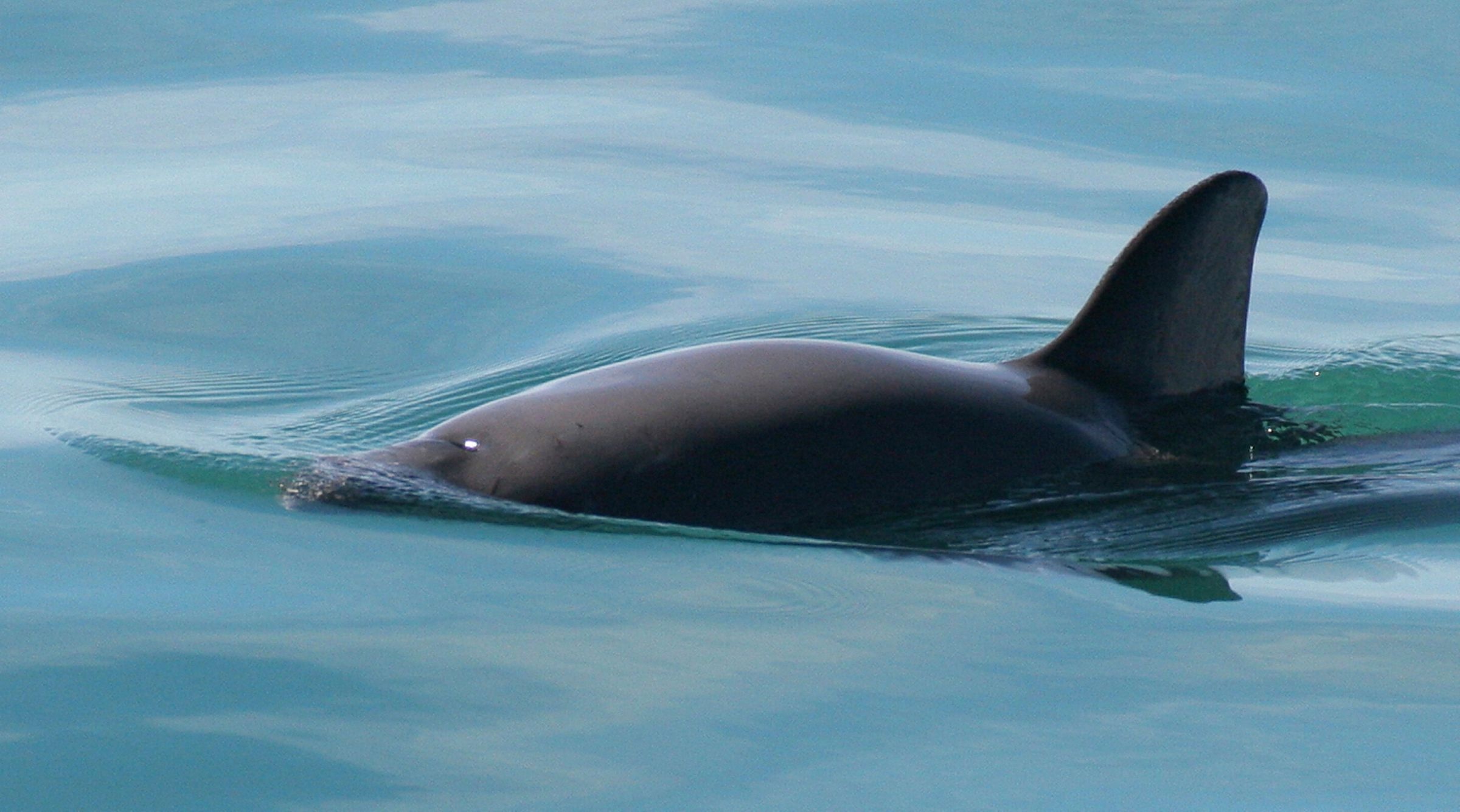
MEXICO CITY — Environmental groups are fighting against relaxed fishing regulations in the Gulf of California, where the last of the vaquita, the world’s smallest porpoise, is close to extinction. In October 2026, changes to the regulations dramatically reduced the area where fishing is prohibited in vaquita habitat. In response, several environmental groups have asked a court to halt the changes, arguing that they threaten the last approximately 10 vaquitas (Phocoena sinus) remaining in the world. “The court can stop this rollback before more of the habitat is exposed to deadly nets,” said Aleira Lara Galicia, executive director of Greenpeace Mexico, one of the groups that filed the Nov. 6 injunction request. The Center for Biological Diversity and the Conservation of Marine Mammals of Mexico were also listed as petitioners. The vaquita averages around 1.5 meters (5 feet) long and weighs up to 54 kilograms (120 pounds). It’s endemic to the Gulf of California, also called the Sea of Cortez, where illegal fishing has decimated vaquita populations over the last three decades. The decline is primarily the result of bycatch in gillnets, which hang down vertically in the water and can drown a vaquita when it gets entangled. Many gillnets are illegally set for totoaba (Totoaba macdonaldi), an endangered fish with a swim bladder that sells for thousands of dollars on the black market, primarily in Asia. To protect the vaquita and other marine life, the gulf has a series of layered and overlapping protected areas. A 225-kilometers squared (approximately 87-miles squared) “zero-tolerance area” (ZTA) prohibits all navigation and fishing. The largest protected area is an 11,000-km2 (4,247-mi2) “gillnet prohibition zone.” However, the new regulations reduce the size of that gillnet-free zone by nearly 86%, to 1,562 km2 (603 mi2). The new regulations also establish a transit route through the ZTA, allowing boats to get from one side to the other instead of going around the critical habitat. The injunction petitioners said the new transit route fragments the vaquita habitat. They also said enforcement should extend to the entire area where vaquita have been documented. In 2025 and 2026, vaquita were seen outside of the ZTA, the groups note. They also called for fishing communities to receive support to transition away from gillnets. “There is no need to wait for another case of bycatch before taking interim measures to preserve the conditions essential to the vaquita’s survival,” they told the court. The Ministry of Environment and Natural Resources said in an October statement that it’s committed to vaquita conservation and will continue to coordinate with other government agencies. “The government of Mexico reaffirms its commitment to working with communities, scientific institutions, civil organizations and international bodies to jointly advance the protection of the vaquita and the well-being of the populations of the Upper Gulf of California,” the Federal Attorney for Environmental Protection said in a statement. Banner image: The critically endangered vaquita. Image by Paula Olson/NOAA via AP File. Credits Topics
Environmental groups challenge Mexico’s rollback of protections for world’s smallest porpoise
Full Article
Original Source
Read the full article at News →KhanList aggregates and links to publicly available news content. We do not host full articles from third-party sources. Always verify important information with original sources.