
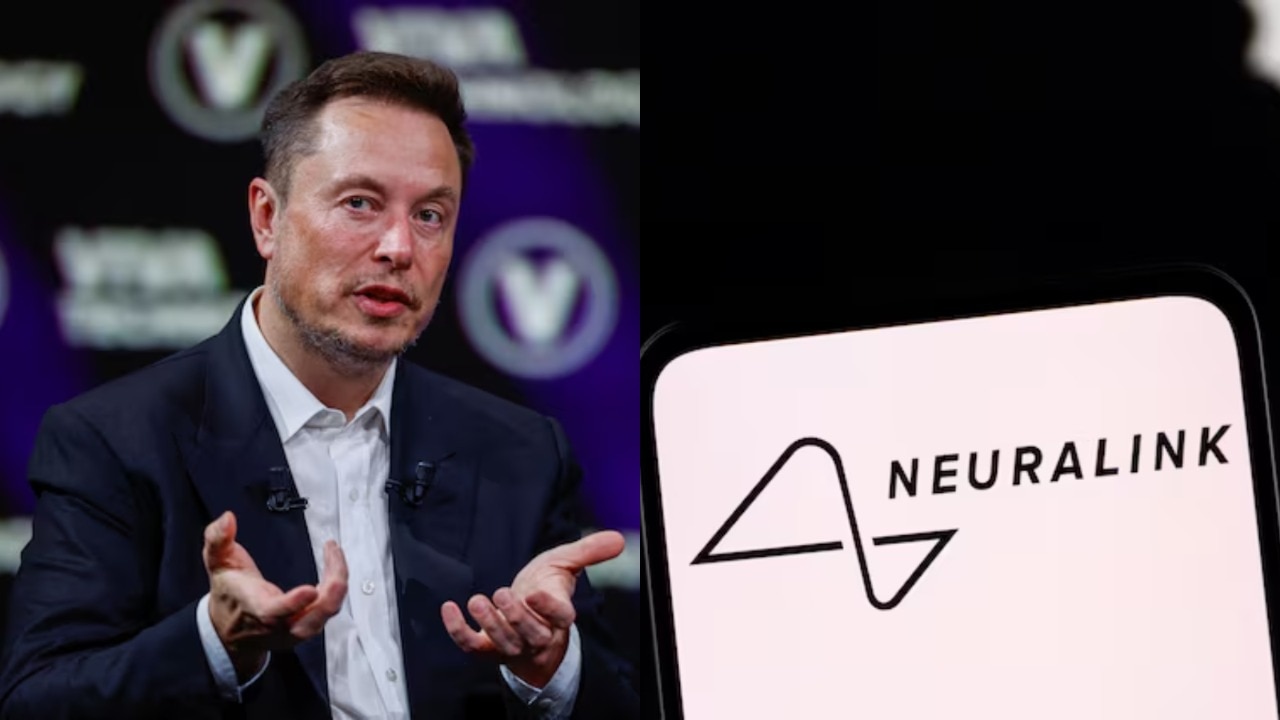
Elon Musk has announced two products from his brain-computer interface company Neuralink, one aimed at helping restore vision in visually impaired people and another that could let people communicate with computers and even other humans simply by thinking. Musk says Blindsight, which is designed to help restore vision, is ready from an engineering standpoint and is awaiting regulatory approval, while Telepathy aims to take thought-based communication much further.In two posts on X, Musk introduced the products and outlined what they are designed to do. “Neuralink’s first product is called Telepathy. It enables high-speed communication with computers or humans simply by thinking,” he wrote. “Output bandwidth will vastly exceed the fastest human speech or typing in a few years. Read that sentence again.”Musk believes Telepathy could eventually make communication through thoughts much faster than conventional speech or typing.Our second product is called Blindsight and it will, as the name suggests, enable even those who are completely blind or have never seen to see. It is ready from an engineering standpoint. Just waiting on regulatory approval.— Elon Musk (@elonmusk) October 30, 2026In a separate post, he spoke about Blindsight, which he claims will allow even people who are completely blind or have never seen before to see. “Our second product is called Blindsight and it will, as the name suggests, enable even those who are completely blind or have never seen to see,” he wrote. “It is ready from an engineering standpoint. Just waiting on regulatory approval.” What is Neuralink's Blindsight and how will it help blind people?Blindsight is Neuralink's experimental brain implant designed to help people who are blind see by sending visual information directly to the brain, bypassing the eyes. Normally, our eyes capture light and convert it into signals that travel through the optic nerve to the brain, which then processes them into images. But when the eyes or optic nerves are damaged, this process can stop working. Neuralink wants to get around this problem by using a camera to capture images of a person's surroundings and send that information wirelessly to an implant in the brain. The implant then stimulates the part of the brain responsible for processing vision, with the aim of helping the person see.The technology could potentially help people who have lost their sight because of damage to their eyes or optic nerves. Neuralink also claims it could help people who have been blind since birth, as long as the part of the brain responsible for vision is working. However, the company is yet to demonstrate that Blindsight can restore vision in humans.The device received the US Food and Drug Administration's Breakthrough Device Designation in September 2024. This is meant to speed up the development and review of promising medical devices, but it does not mean Blindsight has been approved for use.What is Neuralink's Telepathy and how does it work?While Blindsight focuses on vision, Telepathy is designed to help people control computers and communicate using their thoughts. It is based on Neuralink's brain-computer interface technology, which uses a small implant placed in the brain to read neural signals and translate them into digital commands.The implant has tiny electrodes that pick up signals from the brain and translate them into commands such as moving a cursor, clicking or typing. This allows users to operate a computer using their thoughts, without moving their hands or using a keyboard.Telepathy is mainly aimed at people with paralysis or conditions that make it difficult to move or communicate. Neuralink has already tested the technology in people with paralysis, who have been able to control computer cursors, play games and use software through their thoughts. Musk, however, believes it could eventually do much more, allowing people to communicate faster than they can speak or type.- Ends
Elon Musk promises sight to the blind with Neuralink Blindsight, says tech is ready for approval
Full Article
Original Source
Read the full article at Indiatoday →KhanList aggregates and links to publicly available news content. We do not host full articles from third-party sources. Always verify important information with original sources.