
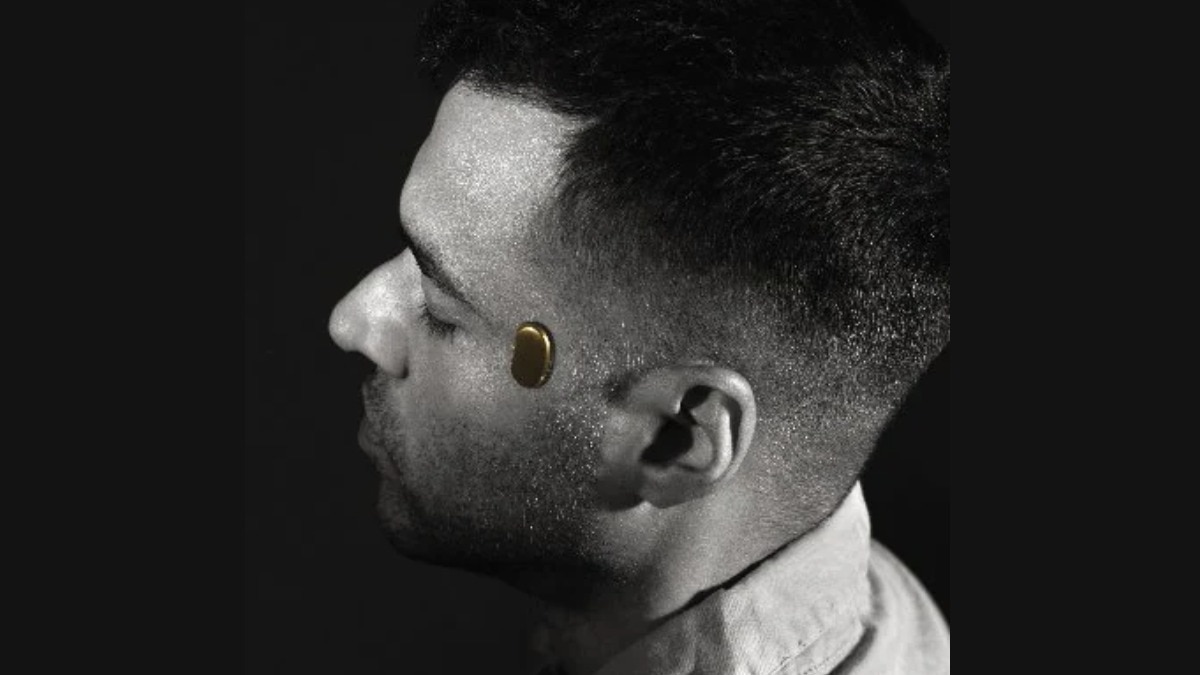
The next big thing in wearable technology may not be another smartwatch. It could be a device that promises to tell you what is happening inside your brain.From tracking sleep and stress to offering insights into focus, recovery and cognitive performance, companies are increasingly exploring ways to monitor brain-related signals outside hospitals and laboratories.The debate around Zomato founder Deepinder Goyal's Temple wearable has brought this technology into the spotlight. The device, priced at Rs 85,000, claims to track changes associated with cerebral blood flow and offers proprietary health metrics. However, questions about what its sensors actually measure and how reliably those readings reflect brain physiology have triggered a wider scientific discussion.But there is an important distinction consumers should understand: not every device placed on the head measures brain activity. Some record electrical signals, while others detect changes in blood volume or circulation. These measurements cannot automatically be treated as interchangeable. BRAIN SENSORS DO NOT ALL MEASURE THE SAME THINGOne of the most established methods of monitoring brain activity is electroencephalography, commonly known as EEG.An EEG uses electrodes placed on the scalp to record electrical activity generated by groups of brain cells. Doctors use it to investigate conditions such as epilepsy, sleep disorders and other neurological problems. Optical sensors work differently. Technologies such as photoplethysmography (PPG) use light to detect changes in blood volume in the tissue beneath the sensor.These readings can provide information about physiological changes, but they are not the same as directly recording electrical activity in the brain.Temple, for instance, uses optical sensors to collect physiological signals near the temple region. Its BrainFlow metric is intended to provide insights into cerebral circulation. However, establishing whether a signal recorded near the surface accurately represents blood flow inside the brain requires scientific validation.WHY A BRAIN READING DOES NOT TELL THE WHOLE STORYThe human brain is an interconnected network involving billions of neurons, multiple brain regions and complex communication pathways.A sensor may detect a particular physiological signal, but that does not necessarily explain what a person is thinking, feeling or experiencing cognitively.According to Dr Neha Pandita, Senior Consultant Neurologist and Unit Head, Clinical Lead, Parkinson's Disease and Movement Disorders, Fortis Hospital, Noida, the brain cannot be understood through a single reading or measurement.Different brain regions work together during activities such as remembering, concentrating, making decisions and processing emotions. Therefore, a reading from one sensor cannot provide a complete assessment of these functions.A device may identify patterns associated with certain physiological states, but interpreting those patterns requires considering the wider biological and clinical context.CAN A WEARABLE TELL IF YOU ARE STRESSED OR LOSING FOCUS?Several consumer devices now offer scores related to stress, relaxation, sleep quality and concentration.However, these scores are generally derived from physiological signals and algorithms rather than a direct measurement of a person's thoughts or emotions.For instance, sleep deprivation, medication, stress, age and the time of day can influence physiological readings.Dr Pandita explains that brain activity is constantly changing and that a single measurement cannot establish whether someone has a neurological problem or provide a complete picture of cognitive health.This is particularly important when consumers interpret a low focus score or an unusual reading as evidence of a neurological condition.Such scores should be viewed as information generated by a device, not as a medical conclusion.CAN THESE DEVICES REPLACE AN EEG OR OTHER BRAIN TESTS?No. Consumer wearables and clinical neurological investigations serve different purposes.An EEG records electrical activity in the brain and is used by doctors to investigate specific neurological conditions.Other investigations, including brain imaging and vascular studies, may be recommended depending on a person's symptoms and medical history.A wearable may offer continuous physiological monitoring and help identify patterns over time. However, this does not make it a substitute for a clinical investigation.According to Dr Pandita, interpreting neurological health requires considering symptoms, medical history and appropriate clinical findings rather than relying on one sensor reading.WHAT SHOULD YOU CHECK BEFORE TRUSTING A BRAIN-HEALTH SCORE?As wearable technology expands into neurological monitoring, consumers should look beyond the number displayed on an app.Some important questions include:What is the device actually measuring? Is it recording electrical activity, changes in blood volume or another physiological parameter?Has the technology been independently tested? Look for studies comparing its readings with established clinical measurement techniques.Has the research been peer-reviewed? Early research can be promising, but its findings need further examination and replication.What does the score mean? A proprietary number should have a clearly explained biological basis and validated interpretation.Is it a wellness tool or a medical device? A device offering health insights should not automatically be treated as a diagnostic tool.TECHNOLOGY CAN TRACK SIGNALS, BUT CLINICAL INTERPRETATION STILL MATTERSWearable brain-monitoring technology could eventually make certain aspects of physiological monitoring more accessible. Continuous measurements may help researchers understand how the body responds to sleep, exercise, stress and changes in posture.However, the usefulness of these devices will depend on whether their measurements are accurate, reproducible and meaningful in real-world settings.The distinction is particularly important as companies introduce new metrics and promise deeper insights into brain health and ageing.For consumers, the takeaway is simple: a device may be able to detect a biological signal, but understanding what that signal means requires more than a number on a screen.- Ends
Deepinder Goyal's Temple wearable: Can a sensor really tell what's happening inside your brain?
Full Article
Original Source
Read the full article at Indiatoday →KhanList aggregates and links to publicly available news content. We do not host full articles from third-party sources. Always verify important information with original sources.