
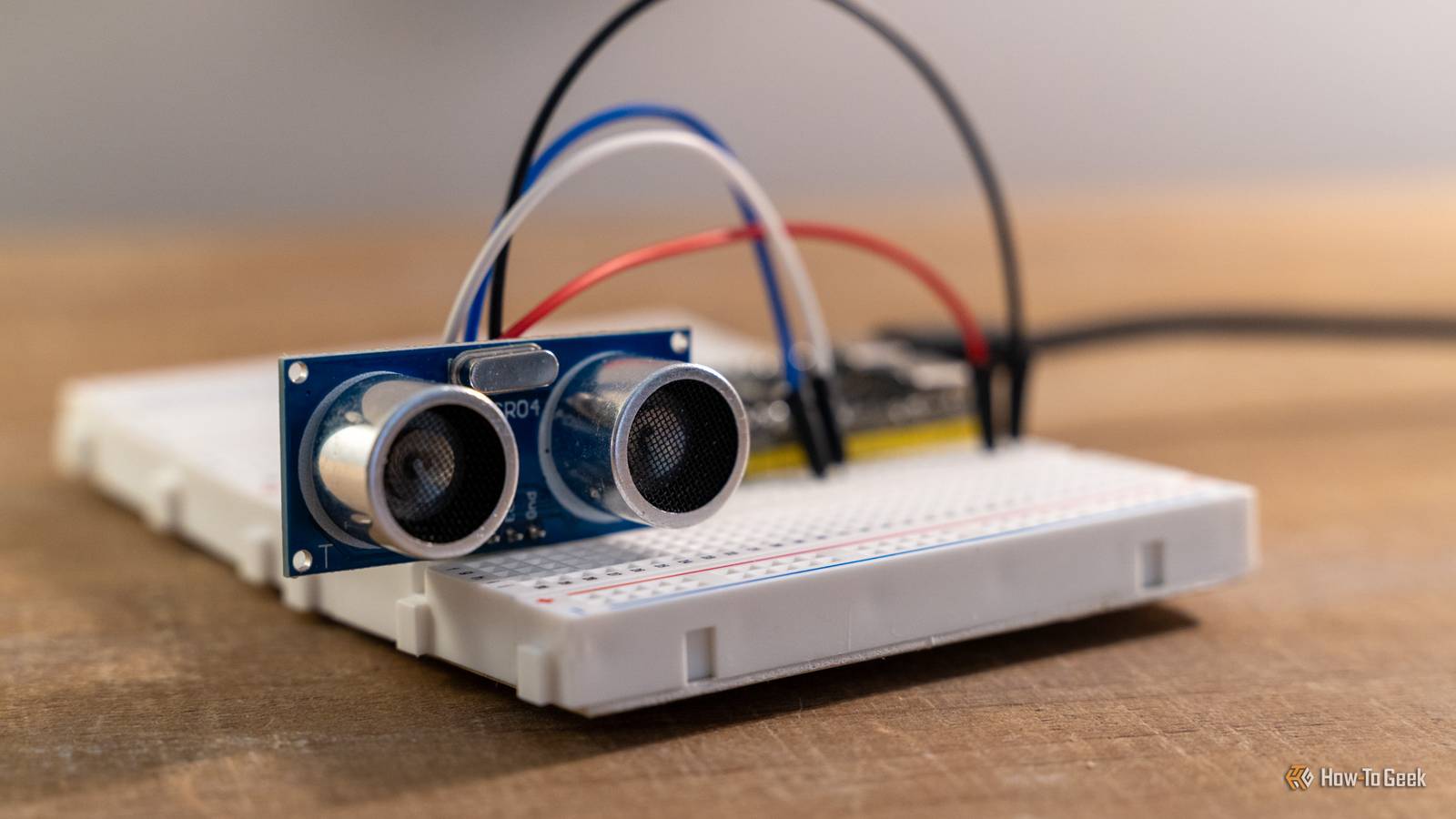
Credit: Patrick Campanale / How-To Geek Published Nov 6, 2026, 6:00 AM EST Tim has been covering technology for almost 20 years, in that time spanning a broad range of topics from security to product reviews. He is especially focused on the Apple ecosystem, productivity, and consumer advice. Over the years Tim has written thousands of articles, reviews, and round-ups in addition to producing video content and original photography. A graduate of journalism, he found his footing as a freelancer with a laptop and loves how he is able to work from practically anywhere. Now a Senior Editor for iPhone, Mac, and Smart Home at How-To Geek, Tim still loves to write. He can also be found crafting round-ups and productivity posts for the Zapier blog. Earlier in his career Tim spent nearly a decade as a writer and eventually Apple section editor for MakeUseOf. Tim currently lives in Brisbane, Australia. Outside of work he loves to hike and work out, play video games, and spend quality time with his wonderful partner and two cats Inka and Roger. Sign in to your How-To Geek account Looking for a good microcontroller project to spend some time on this weekend, or just stashing away some inspiration for a rainy day? Here are some ESP32-powered builds for your car, garage, and driveway. Some are useful, others are just for fun. ESP32 speed camera Put a speed trap on your driveway Credit: Valar-Systems / GitHub MiniSpeedCam is an open-source project that will (eventually) be available to purchase from the MiniSpeedCam website. A CDM324 radar module measures passing vehicle speed, then a simple camera module snaps a photo. The ESP32 then uploads the photo and associated data to a server. You won’t be issuing any fines with this contraption, but it’s a fun experiment to run if you’re frequently noticing speeding cars in your street. You can even configure the MiniSpeedCam to send you notifications whenever a speeding car is detected. The project depends on a custom printed circuit board (PCB), for which the designs and hardware requirements have already been shared. A CAD file (in STEP format) for printing your own enclosure and project firmware is available to download too. Offline speed camera detector The next best thing to a true radar detector Credit: IvanVnucec / GitHub Catchcam is a small plug-and-play speed camera detector for your car. It works completely offline by downloading a list of known speed camera locations from OpenStreetMap (with more than 66,000 known cameras listed). You can update this list by plugging the device into a PC. The GPS module determines your speed and position, and then a built-in speaker and LED alerts you to the presence of cameras. Though the project hasn’t been updated for a few months, it could serve as inspiration for your own fork if you want to pick up the torch. OBD-II port reader Better understand your vehicle Credit: Adafruit The OBD-II port on your car is what mechanics use when taking your car in for a service. It displays far more information than what you get on the dashboard, and even allows you to reset counters and alerts when an issue is considered resolved. You can build your own OBD-II port reader from an ESP32 with some assistance from the Arduino ESP32 OBD2 library, which makes talking to the port fairly straightforward. Combine your firmware with an adapter like the Adafruit CAN bus transceiver and you’re most of the way there. If this sounds like a lot of work, you can purchase a kit like the Freematics ESP32 OBD development kit or the plug-and-play WiCAN meatPi, the latter of which can even integrate with Home Assistant smart homes. Ultrasonic parking sensor Perfect parking, every time This ESP32 Parking Sensor build is genius in its simplicity. It relies on any ESP32 microcontroller, an ultrasonic sensor that can detect distance, an LED strip, a power supply, and some wire. The sensor detects how far away the car is and uses different colors on the LED strip to indicate whether you should keep reversing (green), are close (white), or should stop (red). Project author Alvise Susmel even wrote a blog post documenting the build that explains how they arrived at the final bill of materials and includes several videos of the strip in action. GPS speedometer Designed for remote control cars Credit: u/honeyCrisis / Reddit There are a range of GPS speedometer projects out there you can build, including one ESP32 GPS-Speedo that was designed by the project author to measure the speed of their son’s RC cars, another called the TTGO Speedo that is built around the Lilygo TTGO T1 display, and another Instructables project that reports measured speed via Bluetooth using a mobile app. If you want to build your own, the excellent Random Nerd Tutorials archive has a guide on combining an ESP32 microcontroller with a NEO-6M GPS module using the Arduino IDE, which you can use as a basis for determining the speed that the GPS module is traveling at. A smart garage door opener Open your garage door using your smartphone Last but certainly not least, you can build your own smart garage door opener for around $10. The build uses the ESPHome framework so that it interfaces directly with Home Assistant. This works by triggering low-voltage terminals on your garage door opener. Alternatively, you can buy a microcontroller-powered opener like the Ratgdo32 which adds a whole bunch of extra features and safeguards to your garage door. Your garage can also benefit from a 3D printer, with some useful low-tech prints like a perspective-based parking guide for perfectly lining up your car’s position.
6 weekend ESP32 projects for your car and driveway (Nov 6 - 8)
Full Article
Original Source
Read the full article at Howtogeek →KhanList aggregates and links to publicly available news content. We do not host full articles from third-party sources. Always verify important information with original sources.