
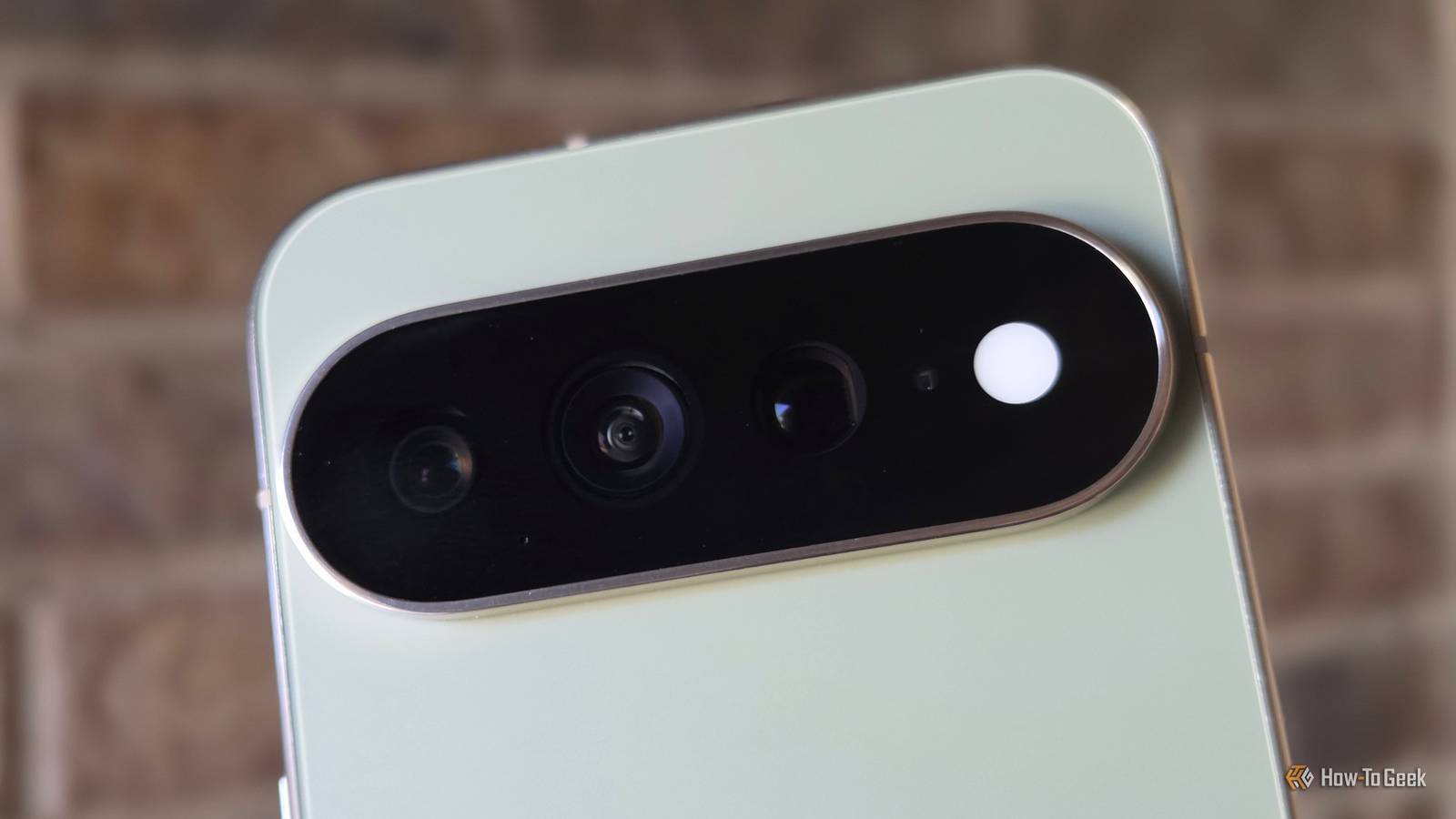
Published Oct 27, 2026, 1:00 PM EDT Arol is a tech journalist who currently works as a contributor at How-To Geek since 2022. He first began writing online for the short-lived portal of Spanish-language gaming forum Emudesc in 2013. Years later, in 2017, he got his true start in tech journalism working for a small Google-focused site called Pixel Spot. He transitioned to a news and feature writer role at XDA Developers that same year, where he worked until 2021 before making the jump to other websites. Arol brings nearly a decade of writing experience, and the occasional hot take, to his writings. While he's a technology lover at heart, he holds computer hardware and smartphones particularly close to heart. You'll normally find him covering news, although he has also written the occasional deal, buyer's guide, how-to post, and round-up. He's also written for Android Police and MakeUseOf. He's also a Political Science student at the Central University of Venezuela, and a proud member of student movement Àgora UCV. When he's not writing, you'll probably find him hitting the gym, trying to ace a new hobby, reading his textbooks, or traveling. You can reach him at me@arolwright.com. Pixel phones built their reputation on photos that looked better than their hardware should allow. Five years after the Pixel 6 Pro, that edge feels thinner, so it’s worth asking whether Pixel cameras are actually slipping or the competition simply sprinted ahead. The hardware is barely improving Five years of nearly identical main camera hardware Google’s flagship cameras have rested on remarkably stable ground since 2021, and frankly, you can only go so far with minor hardware upgrades on top of software optimizations. The Pixel 6 Pro introduced a roughly 1/1.3-inch 50-megapixel main sensor, and every Pro model since has stayed close to that size. The Pixel 11 Pro continues the pattern. Google’s spec sheet lists a 50MP Octa PD wide camera with a 1/1.3" sensor, and although Google fitted a new main sensor this year, it’s the same size as the previous one, and the 48MP ultrawide and 42MP selfie cameras carry over unchanged from the Pixel 10 Pro. The one meaningful change sits behind the 5x lens. The telephoto sensor grows from 1/2.55 inches on the Pixel 10 Pro to 1/1.95 inches on the Pixel 11 Pro. That’s a genuine improvement, and testers noticed it: the Pixel 11 Pro XL scored 168 points in DxOMark’s camera analysis, five more than the Pixel 10 Pro XL. Still, one sensor swap in a year, on a lineup that has kept the same basic recipe for half a decade, is iteration rather than ambition. And when we get to the base model, the story is a tad more complicated. The Pixel 10 added a third rear lens over the Pixel 9 but quietly shrank the main sensor and cut the ultrawide from 48MP to 13MP. The Pixel 11 clawed some of that back, with a 48MP f/1.7 main camera using a 1/1.56-inch sensor instead of a 1/2-inch one. Yet it still lands mid-pack. With 154 points, it sits only 28th in DxOMark’s ranking, tied with the iPhone 15 Pro and three points behind the cheaper iPhone 17. DxOMark also flagged visible color casts and inaccurate skin tones in low light, along with weaker detail from the ultrawide camera. So the feeling that Pixels are getting worse isn’t entirely imagined, even if it isn’t literally true for every model. Standard Pixel buyers really did get a weaker main camera last year. Pro buyers get good photos that improve slowly, built on hardware that has barely moved. Google has always relied more on software optimization than actual hardware — part of the reason why Gcam mods were so popular back in the day. But with everyone else adding hardware optimization alongside software optimization, Google needs to keep up. It's also not helpful that the actual software processing seems to be worsening. What is getting worse, though, is that Google appears to be relying a ton more on generative AI for image processing, and that's showing. Thereare a ton of complaints on Reddit and other user forums from users frustrated with the Pixel 11 Pro's image processing, as it appears to be, for one, absolutely butchering zoom in some pictures — a clear sign that they might be relying on AI upscaling forpost-processing. Yikes. Other cameras are moving much faster Rivals are pouring money into sensors and optics While Google tweaks one lens per generation, its competitors are rebuilding entire camera systems. Oppo’s Find X9 Ultra is the most extreme example. It pairs a 200MP main camera at f/1.5 on a 1-inch sensor with a 200MP 3x periscope on a 1/1.28" sensor, which is larger than the Galaxy S26 Ultra’s main sensor. On top of that, Oppo includes a 50MP periscope telephoto with 10x optical zoom. That’s two dedicated zoom cameras, each with hardware that would have been considered flagship-grade for a main camera only a few years ago. Vivo is pushing just as hard. The X300 Ultra uses Sony’s 200MP LYTIA-901 sensor at 1/1.12 inches for its main camera, plus a 200MP periscope telephoto built on a 1/1.4-inch Samsung sensor. Vivo also leans into accessories, offering optional teleconverters that stretch the lens to 200mm and even 400mm, and supports 4K 120fps recording across all of its rear cameras. Crucially, both phones are no longer China-only curiosities, since the X300 Ultra marks the first time Vivo’s Ultra tier has launched in global markets. Even the more conservative players are moving. Samsung kept its familiar 200MP sensor in the Galaxy S26 Ultra, but it widened the apertures, claiming the main camera gets 47% more light and the longer telephoto 37% more. I know what some of you might think. Yeah, I know megapixels aren't everything, and the megapixel race has been a dead end for over a decade. But even phone makers that aren't pushing those MP numbers are making hardware moves. Apple, for one, made the boldest optical change in years. The iPhone 18 Pro offers four aperture values: f/1.48, f/1.8, f/2.8, and f/4, using physical blades rather than software blur. Not exactly a new feature, but something we might see much more on Android phones soon. Apple also finally added manual control over shutter speed and aperture in its native camera app. The scoreboard reflects this. On DxOMark’s charts, the Oppo Find X9 Ultra leads in telephoto, and the Vivo X300 Ultra leads in ultrawide. The Pixel isn’t losing because it got worse in absolute terms. It’s losing ground because everyone else decided hardware matters again. What Google can do here Bigger sensors, better ultrawides, and smarter tuning Google’s camera strategy, as I mentioned earlier, has always been a bet on software. HDR+, Night Sight, and Super Res Zoom let modest sensors punch above their weight, and for years that advantage was enough. The problem is that computational photography is no longer a Google exclusive. Every major manufacturer now stacks frames, uses machine learning for noise reduction, and runs dedicated image processors. When everyone has the clever software, the phone with the bigger sensor and better glass usually wins. The most obvious fix is a larger main sensor. One-inch-class sensors have moved from experimental to expected in the camera-focused tier, and Google’s 1/1.3-inch main camera now looks small next to them. A bigger sensor would give Google’s processing more real light to work with, which is exactly where its algorithms shine. The ultrawide deserves attention too. Even on the Pro XL, DxOMark noted a loss of fine detail in all lighting conditions with the ultrawide camera, and it’s the one rear camera Google hasn’t touched this year. The Pixel 11 Pro’s telephoto upgrade shows the payoff of investing in a single lens, so applying the same treatment to the ultrawide would be a sensible next step. For the standard Pixel, the priority is simpler: stop cutting corners on the camera that most buyers actually use. Low-light color accuracy and skin tones are areas where Google’s tuning used to be a strength, and they’re worth fixing before adding new modes. Software still matters, of course. Features like Camera Looks, which let users build their own film styles for HDR+ photos, show Google can innovate on the experience side. But really, no amount of AI trickery can get more light into a camera. Google has the processing talent. It now needs to give that talent better raw material. Pixel cameras aren’t worse, just standing still Pixel photos haven’t collapsed, but the hardware behind them has barely changed while rivals invested heavily in sensors, periscopes, and optics. Google’s software lead has narrowed. A bigger main sensor, a better ultrawide, and fewer compromises on the base model would put Pixels back in contention.
Am I crazy, or are Google Pixel cameras getting worse?
Full Article
Original Source
Read the full article at Howtogeek →KhanList aggregates and links to publicly available news content. We do not host full articles from third-party sources. Always verify important information with original sources.