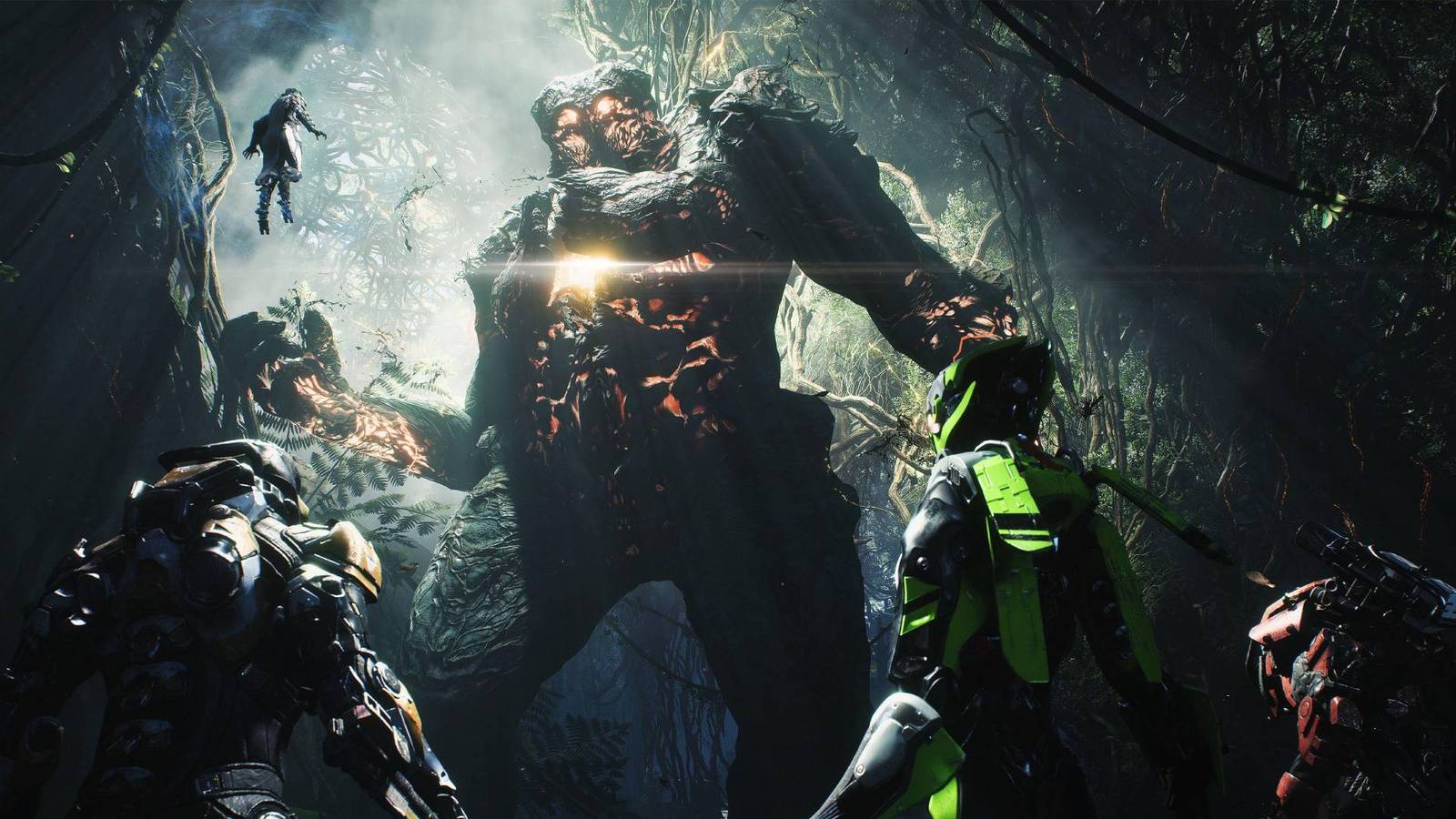
Published Aug 2, 2026, 6:30 PM EDT Tom Wilson is a Gaming Features Writer at Screen Rant. Over the past five years, Tom has worked as the Editor-in-Chief at The Game Crater, as a Staff Writer for GamingIntel, a List Writer at TheGamer, and, of course, as a Senior Writer at ScreenRant. Tom has experience writing reviews, guides, news, and features, and has been responsible for teams of writers, training them and editing their work. Tom graduated with a Masters in Multimedia Journalism, and has since gone on to build up his portfolio of games journalism work. There is an abundance of open-world RPGs nowadays, so many, in fact, that those looking to get into the genre, or those simply looking for their next recommendation may get lost in the sea of available titles. It is understandable that it has garnered so much popularity both from players and developers, as the allure of huge open-worlds to explore and the engrossing nature of the progression systems inherently tied to the RPG genre are too good to pass up on. However, as a consequence of being such a bloated genre, there are several underrated open-world RPGs that have been lost to time. Some of these are literally unplayable, while others, even those released recently, have simply faded into the background and slowly forgotten. They are, in their own right, pretty perfect titles too, and, while "perfect" means different things to different people, in this instance it indicates that there's something special about each and every one of them, and that they're worth playing, even if the rest of the world has elected to forget they even exist. 6 Anthem I get it, everyone hates Anthem. It is widely considered one of BioWare's worst games and many would likely never use the word "perfect" when describing it. However, there's a lot that is truly special about Anthem that no other game has really managed to achieve since it launched. Its incredible flying mechanics, legitimately fun gunplay and class design, and stunning visuals more than make up for the inconsistent quest design and mediocre narrative. It is Anthem's movement and exploration that make it a "perfect" open-world RPG in my opinion. It is a shame that BioWare could never figure out a way to release the long-awaited yet ultimately canceled Anthem 2.0 version, and that Anthem is now officially unplayable. This is what makes it completely lost to time, because, eventually, we'll look back and forget it even existed. There's no way of really playing it anymore, meaning its phenomenal flying mechanics and legitimately great world will be gone forever. 5 Sacred 2 One of my earliest memories of playing an open-world game is Sacred 2. Its world is absolutely enormous and, surprisingly for the time it was released, completely seamless. You can go from one corner of the map to the other and enter every single building in-between without a single loading screen getting in your way. It's still incredibly impressive to this day, especially as it's coupled with a truly diverse set of biomes and unique architecture per faction and race. The problem is that most people don't really know what Sacred 2 is or that it even exists. The recent and slightly controversial Sacred 2 remaster has less than 1,400 reviews on Steam and a peak player count of 1,869. Sure, it isn't abysmal, but it certainly doesn't paint the game in a particularly popular light. That's a shame, as Sacred 2 is a truly packed Diablo-like experience that crams hundreds of quests, monsters to beat, bosses to fight, and classes to switch between into an exceptional open-world RPG package that's absolutely worth playing today. 4 Two Worlds 2 Two Worlds 2 is from the era of janky open-world RPGs desperately attempting to ape The Elder Scrolls IV: Oblivion's massive success. As such, it has fallen a little under the radar, its clunky combat and iffy voice acting understandably putting some players off. However, those who look below the surface level will find a massive, rich, and fascinating open-world RPG that is teeming with creativity, passion, and the kind of charm inherent to AA games. Its sprawling world is diverse and richly rewarding to explore, its customizable magic system is completely unique and desperately needs to be implemented in other RPGs, and its flexible class system is a lot of fun. Two Worlds 2 may not have the polish of its AAA counterparts, but it is a great open-world RPG that, much like the others on this list, has just gone overlooked. For those who want to give it the second chance it deserves, it is available for next to nothing on Steam. Do yourself a favor and give this one a whirl. 3 Immortals Fenyx Rising One may scoff at Immortals Fenyx Rising being on a list of open-world RPGs lost to time as it only came out a few years ago. However, let's be honest, no one talks about this anymore. In fact, while it did perform well commercially, it evidently didn't do well enough to warrant a sequel, as it was sadly canceled before it could get off the ground. Additionally, despite launching on multiple platforms and garnering favorable and warranted comparisons to Breath of the Wild, it never quite got the attention it truly deserved, eventually fading into the background. The thing is, Immortals Fenyx Rising is absolutely one of the very best Ubisoft games ever made. Sure, it borrows a lot from Breath of the Wild, but it also introduces a lot of fun tweaks that drastically improve the overall experience while adding that familiar Ubisoft charm. The focus on mythology brings with it fun boss encounters and a stunning world, while the improved combat makes battling the various enemy types extremely exciting. With a handful of great dungeons, fun puzzles, and gorgeous stylized visuals, Immortals Fenyx Rising is a phenomenal open-world RPG that deserves a lot more love. 2 Pathologic 2 The Pathologic series has never been particularly well known, but Pathologic 2, the only open-world game in the series, feels especially criminally underrated. Sure, it's a tough survival psychological horror game that can be truly punishing the first time one plays it. However, that's the point, and those who can persevere will find an experience truly unlike any other. Put it this way: Pathologic 2 is the Death Stranding of open-world RPGs. Its oppressive atmosphere, meaningful moral quandaries, brilliant writing, and surreal atmosphere are what make it so unique and, ultimately, fun (as much fun as a game like Pathologic 2 can be). Pathologic 2, like Sacred 2, isn't discussed very much outside of niche circles. Its creepy setting, monotone visuals, and aforementioned punishing gameplay are absolutely contributing factors to this, but it would be a shame to continue letting it be lost to time. 1 King's Field 2 When one thinks of FromSoftware, one likely doesn't think of King's Field. However, the debut title of the legendary developer is actually one of its most unique and served as the foundation for its iconic Souls games. This is best seen in King's Field 2 (known as just King's Field outside of Japan), which offers an interconnected open-world that opens up the more players explore, much like Dark Souls' unique and now incredibly popular approach to exploration. It's also a deeply atmospheric game, featuring a fascinating world that's rich with detail and endlessly rewarding to uncover. The problem with King's Field 2 is that it isn't particularly well known outside of dedicated FromSoftware fans and niche open-world RPG enthusiasts. It's also hard to buy nowadays, with the only available version being physical PS1 discs that are expensive. It won't be long until King's Field 2 becomes yet another forgotten open-world RPG, unless FromSoftware remasters it or delivers a sequel, but that seems unlikely. Released July 21, 1995 ESRB T For Teen // Violence Developer(s) FromSoftware Publisher(s) FromSoftware Franchise King's Field
6 Perfect Open-World RPGs That Have Been Lost To Time
Full Article
Original Source
Read the full article at Screenrant →KhanList aggregates and links to publicly available news content. We do not host full articles from third-party sources. Always verify important information with original sources.