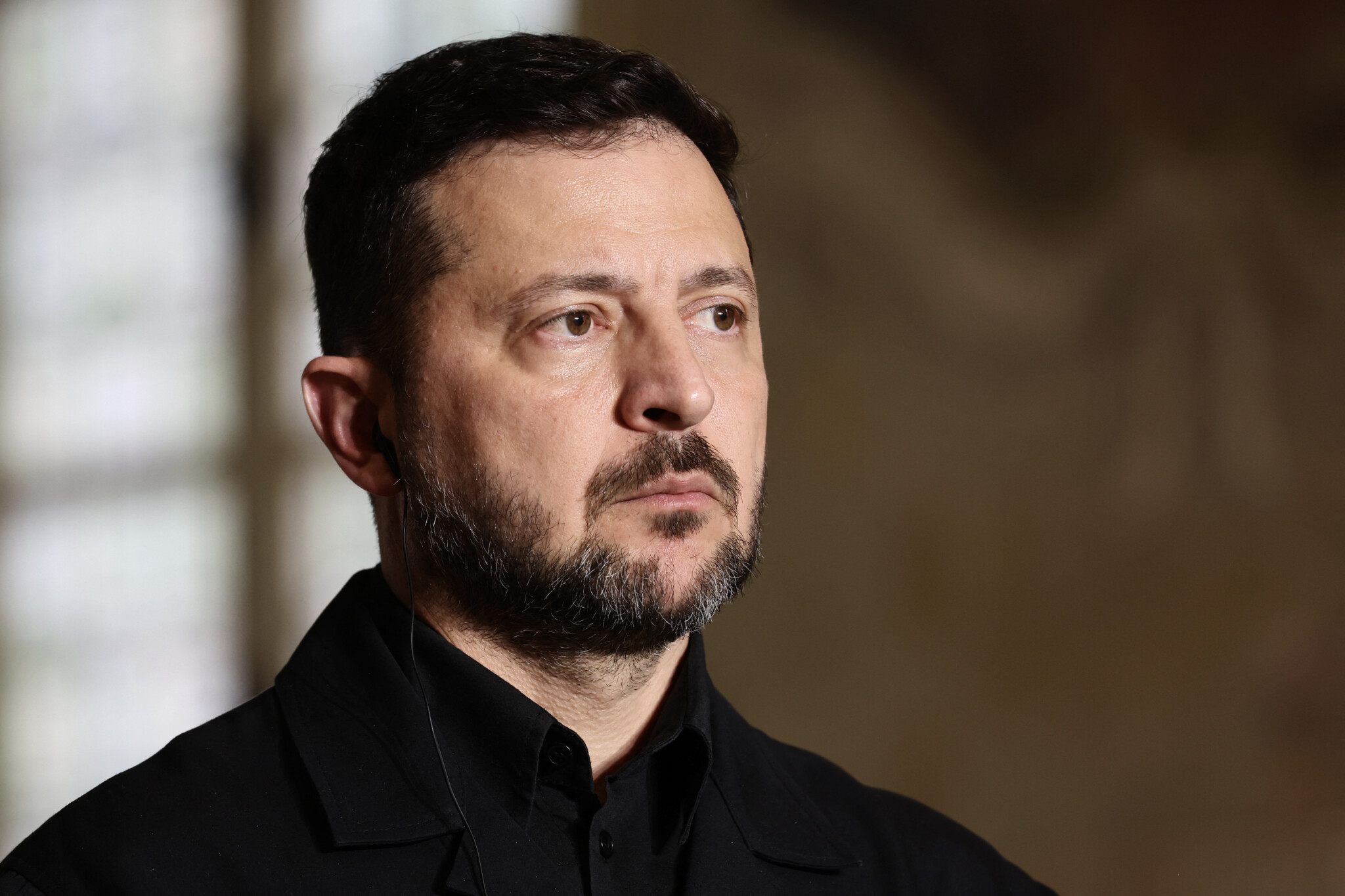
Ukrainian President Volodymyr Zelensky warned that Moscow wants around 30,000 more North Korean troops, and they could soon arrive in Russia. These troops will almost certainly support Putin’s war effort — possibly through direct combat as previous North Korean troops did first in 2024. If confirmed, this deployment would deepen the Moscow-Pyongyang alignment, already one of the most robust bilateral relationships among America’s primary adversaries. Russia Wants More North Korean Troops and Weapons On Saturday, President Zelensky addressed his embattled nation and discussed Ukrainian intelligence services’ assessments regarding Russia’s autumn war plans. He stated that, “Since June, preparations have been under way in Russia’s Voronezh region to receive them [North Korean troops].” Soon after, Japan’s NHK News reported that a Russian diplomatic source stated Putin and North Korean Foreign Minister Choe Son Hui had discussed a possible deployment of around 20,000 North Korean troops. Ukrainian intelligence assessed that North Korea is also preparing to send additional transporter erector launchers for ballistic missiles to Russia. North Korea has reportedly provided more than 100 ballistic missiles to Russia, which used them to batter Ukrainian cities. Evidence suggests that Russia has improved the ballistic missiles, making them more accurate and survivable. Russia then shared those improvements and associated technology with North Korea. That, along with the combat experience North Korean troops have gained fighting in Europe, has strengthened the lethality and capability of Pyongyang’s military and eroded the balance of power on the Korean Peninsula. The Axis of Aggressors Cooperation between Russia and North Korea is only one part of a wider web of security cooperation among China, Russia, Iran, and North Korea that “has improved the readiness, capability, capacity, and/or resilience of all four Axis militaries,” according to a new book on the Axis of Aggressors by Bradley Bowman, Elaine Dezenski, and RADM (Ret.) Mark Montgomery. They warn that Axis cooperation “raises serious questions regarding U.S. defense spending, war plans, force structure, force posture, and combat capacity.” Since Russia’s 2022 full-scale invasion of Ukraine, North Korea has provided Moscow with vast quantities of artillery and rocket ammunition, ballistic missiles, and cannon and rocket artillery pieces. In return, Russia has given North Korea vital technology, equipment, and know-how related to Pyongyang’s space, nuclear, technology, and drone programs. As Zelensky noted in his Saturday address, the thousands of troops that Kim sent to die in Russia’s war have learned “how to wage war” by receiving “real combat experience” which translate into enhanced tactics, techniques, and procedures. The Russia-North Korea relationship is one of the most consequential among the Axis and the only one in which actual combat deployments to assist another member has occurred. Washington’s Response Washington and its partners should recognize that Ukraine is fighting the entire Axis of Aggressors and swiftly work with Kyiv to bolster its air and missile defenses, since it will take Ukraine significant time to start producing Patriot interceptors after the Trump administration recently approved a license to do so. Kyiv faces a shortage of interceptor missiles as its civilians regularly suffer from Russian drone and ballistic missile attacks. The Trump administration should fully enforce existing sanctions and put in place expanded measures targeting Russia and North Korea as well as their Chinese enablers. Congress should do its part to disrupt the Kremlin’s energy revenues potentially through the Lindsey O. Graham Sanctioning Russia Act of 2026 which includes, among other targets, countries that purchase Russian oil and natural gas. Congress should also require the Pentagon to regularly provide reports on Russia-North Korea security cooperation. Additionally, Congress should oppose excessive, premature, and unjustified reductions in U.S. military posture on either the Korean Peninsula or Europe, making clear that Congress expects the administration to follow Sections 1255 and 1249 of the National Defense Authorization Act (NDAA) which are designed to limit troop reductions in those areas. Congress should also ensure that America’s troops have the timely and sufficient resources they need to accomplish the missions they are given. Logan Rolleigh is a research assistant for the Center on Military and Political Power (CMPP) at the Foundation for Defense of Democracies (FDD). Ryan Brobst is the deputy director of CMPP. For more analysis from the authors and FDD, please subscribe HERE. Follow FDD on X @FDD and @FDD_CMPP. Follow Logan on X @L_Rolleigh and Ryan on X @RyanBrobst_. FDD is a Washington, DC-based, nonpartisan research institute focusing on national security and foreign policy.
Zelensky Warns of Another North Korean Troop Deployment to Russia
Full Article
Original Source
Read the full article at Fdd →KhanList aggregates and links to publicly available news content. We do not host full articles from third-party sources. Always verify important information with original sources.