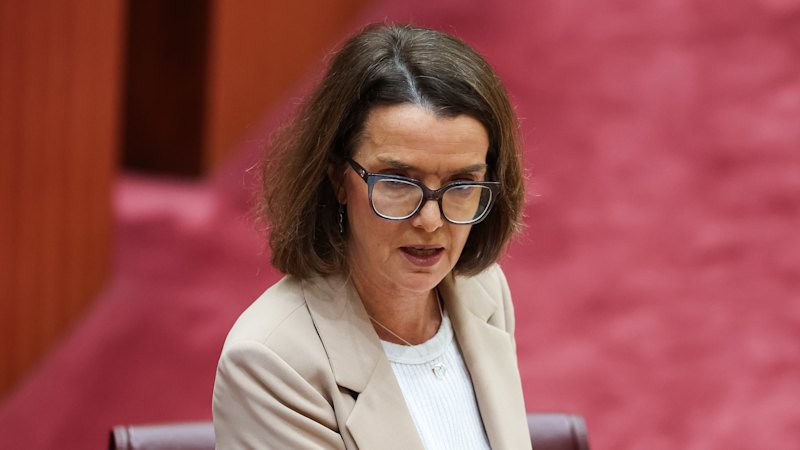
Labor was warned that scrapping the private health rebate for over-65s meant some pensioners would have to cut back on spending or go without cover, according to documents released to the Coalition under freedom of information laws.Opposition health and aged care spokeswoman Anne Ruston said on Friday the documents revealed that the Department of Health had used fictional case studies to demonstrate the effects of Labor’s budget change on older Australians, showing that some would rein in already strained budgets and others would drop their private health insurance altogether.Coalition aged care spokeswoman Anne Ruston vowed to fight the changes.Alex EllinghausenLabor announced in April it would scrap the Howard-era bonus for seniors as it wrangles with the $47 billion aged care sector plagued by workforce and resource challenges. Health and Ageing Minister Mark Butler said the change would free up funding for under-pressure aged care services.Ruston has vowed to fight the changes in the Senate, saying older Australians on fixed retirement incomes were the least able to respond to price shocks such as the hundreds of dollars extra per year they can expect to pay without the rebate.Older Australians receive a rebate up to 8 per cent higher than younger people on a similar income.The upper house, where the Coalition, Greens and crossbenchers can join forces to block government legislation, has proven a minefield for Labor on aged care reform. The government has twice in the past year caved to Senate pressure, first agreeing to fast-track the release of 20,000 home care packages and then to guarantee a new layer of human oversight for the algorithm that assesses care package needs.“We will do everything we can in the parliament to block these changes and have called for a Senate inquiry to pursue the truth about who will be most affected by this new tax,” Ruston said in a statement. “Mark Butler has badly underestimated the damage his own policy will do.”Ruston also pointed to polling commissioned by Private Healthcare Australia that showed more than a third of over-65s with private health said they were more likely to drop their cover without the premium rebate.Treasury has forecast only 44,000 of the 3 million over-65s with private health insurance would be pushed into the public health system because of the changes.Responding to reports first published by News Ltd, Butler on Friday said he was confident in the department modelling and took a swipe at the Queensland, NSW and Tasmanian governments, which have rebelled against the change and argued it would increase the burden carried by their state health services.“I’m a little surprised, frankly, that the state governments have swallowed the rather self-serving modelling that the insurance industry itself is putting out there,” he told Seven’s Sunrise program.Butler said every dollar saved on the premium rebate would go back into supporting older Australians in other ways, such as funding more aged care beds.Health and Ageing Minister Mark Butler is overseeing sweeping reforms to aged care and the NDIS.Alex Ellinghausen“We’ve put an eye-watering amount of extra money into aged care over the last few years to get it out of the position that the royal commission described it, out of neglect. And to fund the extra demand that’s coming from the ageing and the Baby Boomer generation … that sometimes involves difficult decisions in a budget,” he said.Butler said older Australians would still get a rebate on private health insurance, but it would be based on their income like everyone else.“Two households next to each other, for example, on $50,000, one of them over 65, the other household in their 40s or in their 50s with kids, they’ll now both receive the same subsidy from ... taxpayers to pay for their private health insurance.”Cut through the noise of federal politics with news, views and expert analysis. Subscribers can sign up to our weekly Inside Politics newsletter.From our partners
Labor ignored internal report revealing toll of scrapping Baby Boomer health rebate
Full Article
Original Source
Read the full article at Smh →KhanList aggregates and links to publicly available news content. We do not host full articles from third-party sources. Always verify important information with original sources.