
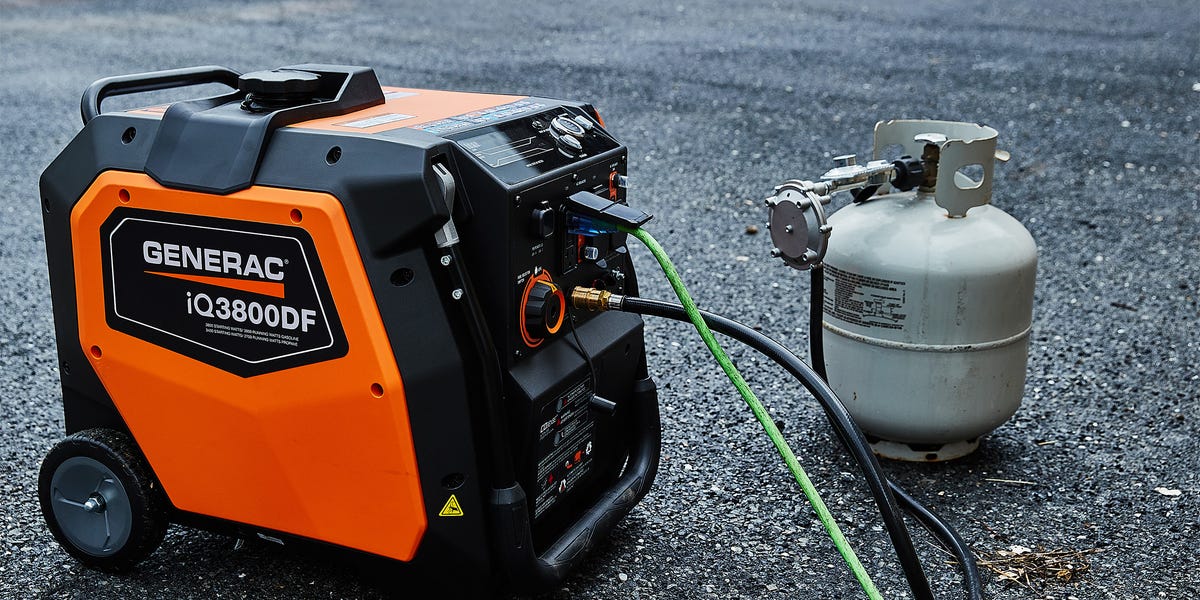
2 min readAs portable home generators grow in popularity, a dark side is rearing its ugly head: carbon monoxide (CO) poisoning. CO sensors are a standard safety feature in many mid- to high-end portable generators—but they may not alert you to noxious emissions in time.An onboard CO sensor shuts down the generator if it detects high levels of the potentially deadly gas, but it has flaws. When running a generator outside—always 10 to 20 feet from the house and never inside the garage—the sensor may not detect high levels of CO because there is plenty of outdoor air moving the CO away from the sensor. Meanwhile, the gas could find its way into your home through any opening, even if it’s a small one like a cracked window one or two floors above where the generator is running.Winston ZhouCO sensors run in the background and automatically shut down the generator if unsafe levels are detected, but they aren’t perfect.Winston ZhouSeparate detectors in the home are more effective.Portable generators aside, you should always have several stand-alone CO detectors installed outside every bedroom, on every floor, plus inside or near attached garages. They protect you from CO leaks in common household appliances, such as gas stoves and furnaces. Most cost anywhere from $21 to $30 and run on built-in batteries that last for years, and some smart models feature built-in WiFi that can send alerts to your phone.Some smoke detectors have built-in CO detectors, but keep in mind that these are usually not installed near the outer walls of the home; rather, they are in central areas and stairwells, so they may not be as effective in quickly detecting leaks coming in from the outside, where a generator is running.The point here is that whether a generator has a CO sensor or not shouldn’t affect your buying decision. Sure, it can be a way to save money on very basic, lower-cost generators. But if you’re looking at better-quality backup power, you’ll have it by default. For example, most inverter generators, which we recommend, are desirable for their quiet operation and cleaner power, and they often feature CO sensors.Carbon Monoxide Detectors We RecommendDavid is a Reviews Editor for Hearst’s Enthusiast Group, contributing to Popular Mechanics, Runner’s World, Bicycling, Best Products, and Biography. He has over 25 years of experience writing about and reviewing consumer electronics, kitchen appliances, DIY products, outdoor gear, and more. He also spent years covering the ever-changing world of online retail. To relax, he loves experimenting with new recipes, tweaking his smart home setup, and spending time outdoors on his bike or camping.
Your Generator’s CO Sensor May Not Warn You in Time. Here’s What Else You Need to Stay Safe.
Full Article
Original Source
Read the full article at Popularmechanics →KhanList aggregates and links to publicly available news content. We do not host full articles from third-party sources. Always verify important information with original sources.