
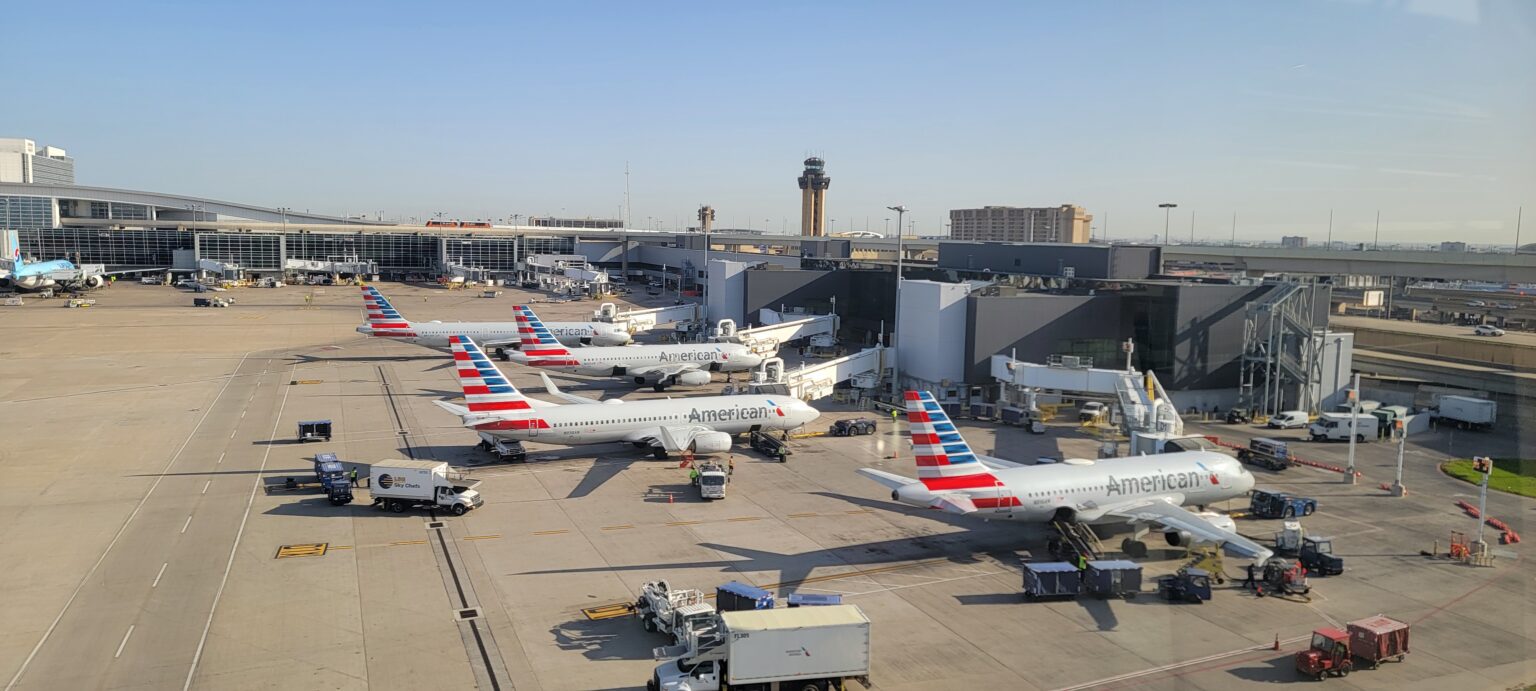
Flying takes longer than it used to – and, retirement of the Concorde notwithstanding, it’s not because planes aren’t as fast. There are more than twice as many commercial flights as there were at the time of airline deregulation, and air traffic control hasn’t been upgraded very much. There’s congested airspace and also congested airports. We also don’t build major new airports – the last one was Denver, 30 years ago. (Austin’s new 1999 airport was a converted military base, and there were others like that in the 90s.) By one estimate flights have gotten 8% longer. That means a two hour flight is 10 minutes longer than it used to be. And the single biggest factor is often tagged as strategic padding of schedules. Airlines are often chided for ‘schedule padding’ – claiming that flights take longer than they should. Often, this just reflects the reality of telling customers when they can expect to arrive – although there’s greater variance than there used to be, which isn’t great for having a gate available when you land early. Airlines do not like this! Though real airfares (even including fees) are down significantly since deregulation, longer flight times are expensive for staffing, fuel and efficient use of $50 – $100 million planes. And longer travel times historically disadvantaged an airline trying to sell tickets, because it meant their flights were displayed lower on the screen that travel agents and later passengers directly saw – which translates into fewer sales. A new study finds that airlines with more “padding” in their schedules tend to charge higher fares. That sounds like passengers paying more for a slower trip. But those extra minutes can also let United hold your plane with ConnectionSaver and get you home that night, and still arrive on time. It also means fewer delays and missed connections. So that ‘premium’ is actually a more valuable product to many consumers. I’ve argued for years that schedule padding often isn’t really padding. Sometimes an airline is finally admitting how long the trip takes. Customers can plan around an honest arrival time. There’s a new chapter by Embry-Riddle’s Jules Yimga, “The Price of Punctuality,” in The Economics of Airline Pricing. It combines 2019 flight time data with the government’s ticket price survey. It compares schedules against different percentiles of actual flight times, then examines how the resulting measures relate to fares. More padding is associated with higher fares, especially when the comparison uses the faster end of actual flight times. The relationship appears in both competitive and concentrated markets. The abstract itself allows that reliability could be a service customers value. (Interestingly, Yimga’s earlier research on schedule padding attributed higher prices primarily to higher costs rather than higher margins.) Even scheduling to the median arrival time means roughly half of trips take longer than published. It’s often better for a customer if an airline underpromises and overdelivers – or arrives ‘on time’ rather than late. Predictability matters when you’re scheduling connections or trying to arrive in time for a meeting. An airline that leaves little buffer is going to appear less reliable, so customers book earlier flights and longer layovers or even fly in the night before an important meeting. Then the buffer hasn’t disappeared, it just changes who’s scheduling it. That’s why I argued American’s investment in more realistic schedules could pay for itself. Avoiding rebooking, mishandled bags and aircraft and crews getting out of position can justify spending running an on-time schedule even before a customer chooses the airline again because the trip met expectations. American’s Dallas – Fort Worth overhaul that began in April combined longer scheduled flight times with a move from nine daily banks of flights to thirteen. Spreading flights into smaller waves reduced congestion that made some of the extra time unnecessary. One plane waiting for a gate can delay its passengers, its next departure, and other flights whose crews are stuck on board. Giving the operation room to recover can prevent that problem from cascading. In January, I covered American network planning chief Brian Znotins explaining that bookings for 40–54 minute connections at DFW were 4% below what its model predicted. Bookings for 55–84 minute connections were 8% above prediction. Customers have actually started choosing longer connections because they feel more reliable and less likely to leave them stranded. When I covered United’s media day in 2019, Greg Hart explained that 25% of its flights each day were expected to arrive ten minutes early. That gave United room to use ConnectionSaver to hold flights for connecting passengers and still arrive on time. Of course there’s such a thing as too much slack. An airline can improve its reported punctuality by moving the promised arrival later without getting anyone anywhere sooner. Excessively long connections waste customer time. And routinely beating an absurdly generous schedule doesn’t make an operation excellent. Not all padding is something customers will pay a premium for. Topics on this page
Your Flight Takes 10 Minutes Longer Than It Used To—And That’s A Luxury Worth Paying For
Full Article
Original Source
Read the full article at Viewfromthewing →KhanList aggregates and links to publicly available news content. We do not host full articles from third-party sources. Always verify important information with original sources.