
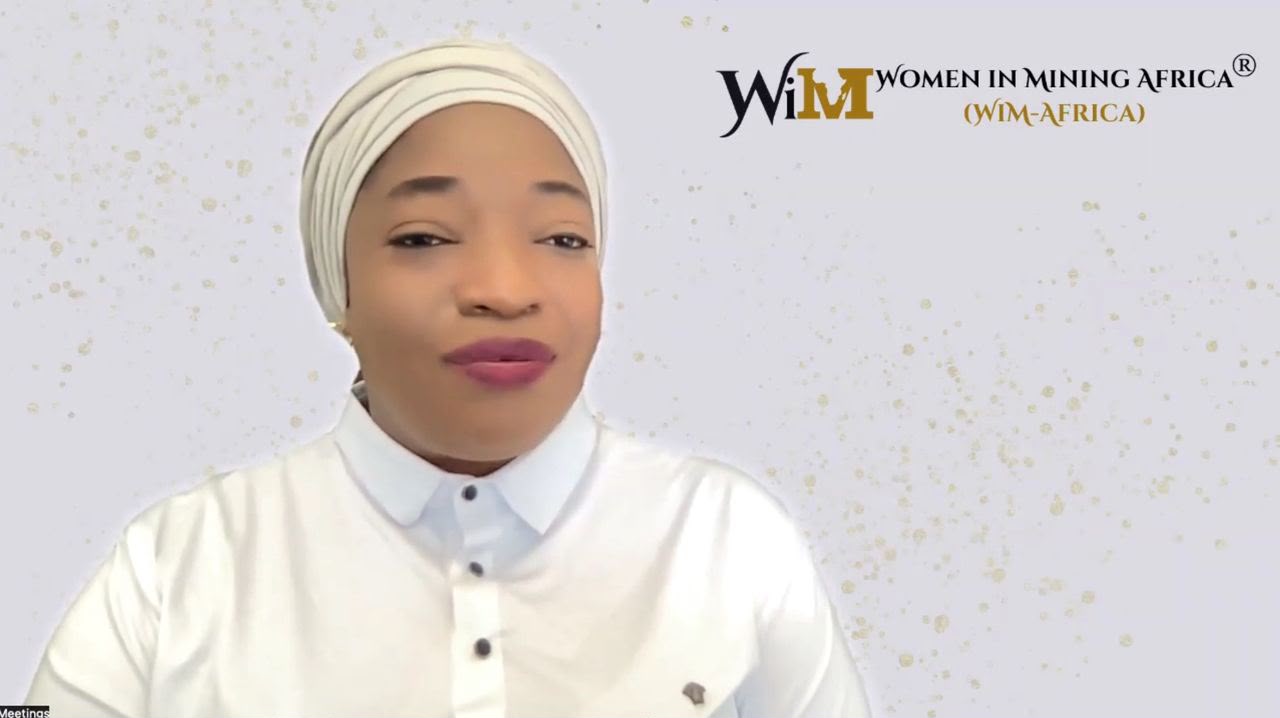
Folalumi Alaran in Abuja Women in Mining Africa (WiM-Africa) has called for stronger African participation in global minerals pricing, saying the continent must move beyond being a supplier of raw materials to developing the market intelligence, processing capacity and financial systems needed to influence the value of its mineral resources. The Executive Director of WiM-Africa, Dr Comfort Asokoro-Ogaji, made the call while speaking at a roundtable on ‘Eastern Pricing 2.0: Integrating Futures, Physical Markets, Industry and Finance for the Next Stage of Global Metals Pricing,’ at the Shanghai Metals Expo 2026. Asokoro-Ogaji said despite Africa’s possession of some of the world’s most strategic mineral resources, including copper, cobalt, lithium, manganese, platinum-group metals and gold, the continent continued to have limited influence over the systems through which their commercial value was determined. She said the possession of mineral resources did not automatically translate into market influence, noting that producing countries could remain disadvantaged by inadequate access to market information, processing capacity, financial instruments and international commercial networks. According to her, the expansion of Asian markets, particularly in metals trading, processing, financing and price discovery, presents an opportunity for African resource-producing countries to strengthen their participation in global minerals markets. “Africa must not remain a passive supplier in an increasingly sophisticated global minerals economy,” she said. She, however, cautioned that pricing power could not be achieved through declarations alone, stressing the need for African producers to improve product quality, reduce information gaps and strengthen their bargaining positions in international markets. Using copper concentrate as an example, she explained that the actual value realised by producers depended not only on international benchmarks but also on mineral grades, moisture content, payable metal, treatment and refining charges, impurities, transportation costs and contractual terms. She said inadequate laboratory testing, unreliable market information, limited financing and weak access to credible buyers could prevent African producers from securing the full commercial value of their resources. To address these challenges, the WiM-Africa executive director identified five priorities, including stronger mineral market intelligence, investment in mineral testing and standardisation, expansion of beneficiation and processing, improved access to commodity markets and finance, and inclusive participation in the mining value chain. She stressed that African producers needed access to credible and timely information on mineral production, grades, prices, buyers, processing capacity and trading conditions to negotiate more effectively. On beneficiation, Asokoro-Ogaji called for a gradual transition from the export of largely unprocessed minerals to supplying products that meet higher industrial specifications. She noted that regional collaboration would be necessary to achieve this, adding that not every mineral needed to be processed in every producing country. The WiM-Africa chief also emphasised the importance of trade finance, working capital, secure payment systems, risk-management instruments and credible offtake agreements in strengthening African producers’ participation in international markets. Addressing gender inclusion, she said women involved in mining, mineral trading, processing, cooperatives and mining-related services across Africa continued to face barriers to finance, equipment, technical expertise, market information and formal supply chains. She argued that women must participate in value creation beyond mineral extraction, insisting that their inclusion in emerging pricing and trading systems was essential to building competitive and sustainable mineral markets. “These are not merely questions of gender representation. They are questions of economic participation, competitiveness and market development,” she said. Asokoro-Ogaji also highlighted WiM-Africa’s strategic partnership with Shanghai Metals Market, saying the organisation was seeking to create practical connections between African women-led enterprises and the technologies, market intelligence, industrial networks and commercial opportunities required to expand their businesses. She called for deeper cooperation between African resource-producing countries and China’s industrial, financial and trading systems, urging partnerships that would extend beyond mineral purchases to include laboratory development, processing technology, professional training, responsible sourcing, investment readiness and direct relationships with buyers. According to her, Chinese companies possess significant industrial expertise, processing capacity and access to major metals markets, while African countries offer mineral resources, emerging industrial markets and investment opportunities. She maintained that Africa was not seeking to replace established international benchmarks with arbitrary national prices but to build the capacity to understand those benchmarks, negotiate better terms and retain a greater share of the economic value generated by its resources. “The future of metals pricing should not be viewed solely as a contest between established Western benchmarks and emerging Eastern pricing centres. It should also be an opportunity to build more transparent, internationally connected and inclusive mineral markets,” she said. She added that Africa needed to strengthen its institutions, processing industries, market intelligence and financial capabilities to translate its mineral wealth into industrial development and lasting economic opportunities. “Africa has mineral power. It is time we built the market power to match it,” she said.
Women in Mining Africa Advocates Stronger African Influence in Global Minerals Pricing
Full Article
Original Source
Read the full article at Thisdaylive →KhanList aggregates and links to publicly available news content. We do not host full articles from third-party sources. Always verify important information with original sources.