
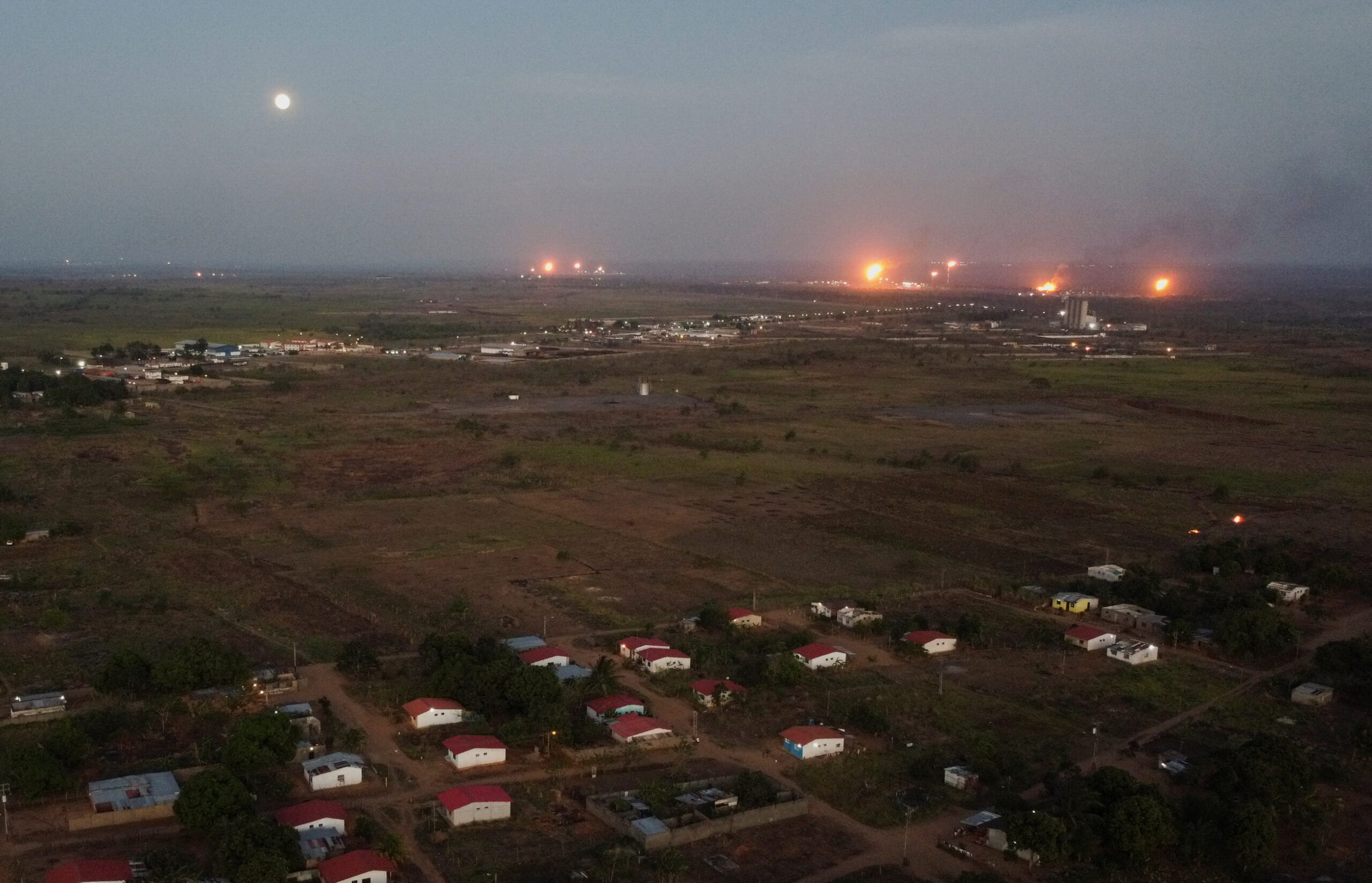
November 16, 2026 • 1:44 pm ET Liliana Diaz Bottom Lines Up Front Venezuela holds roughly 195-200 trillion cubic feet of proven gas reserves, the largest in Latin America, yet it flares or vents about half of what it produces.The core failure is market design, not the law. One buyer purchases nearly all gas and resells it at decreased prices it cannot recover, leaving producers unpaid.Fixing this market design flaw is the precondition for restoring power and oil output, and exports to Trinidad and Colombia would give producers the creditworthy buyers Venezuela needs. Venezuela holds roughly 200 trillion cubic feet of proven natural gas reserves, among the ten largest endowments of natural gas in the world. Yet the country flares, vents, or loses close to half of what it produces, it pipes gas to only a fraction of its population, and it does not currently export a molecule of it. This is not, as is often assumed, a story of restrictive law or of sanctions alone. While Venezuela’s gas statute of 1999 is among the most liberal in the developing world, it is the country’s restrictive oil law that applies to four-fifths of natural gas extraction. The market was designed around a single buyer, Petróleos de Venezuela, S.A. (PDVSA), which purchases gas at below-market rates and resells it at administered prices, largely to state-owned heavy industry that chronically falls into arrears. When PDVSA’s balance sheet collapsed, so did the investment case for the gas industry. But the country now has an opportunity to correct this design flaw. To explore what’s possible, this report diagnoses the failure; quantifies what it costs Venezuela at home in flared gas, blacked-out cities, and constrained oil production; and assesses what the export window through Trinidad and Colombia is realistically worth. Its central argument is that gas, more than oil, is Venezuela’s fastest route to fiscal oxygen and system-wide recovery, but only if policymakers dismantle the monopsony rather than merely refinance it. The report’s recommendations are modest in legislative ambition and demanding in execution: settle arrears; let producers sell to buyers other than PDVSA Gas under the gas statute; stand up the regulator that already exists on paper; repair compression before drilling anything new; and anchor new supply to export netbacks that no domestic decree can confiscate. The window will not stay open on Venezuelan time. Capital that does not find bankable terms in Caracas will go elsewhere. The binding constraint is no longer the supply of capital, but the durability of the licenses and contracts that capital must underwrite. view the full report about the author stay connected Sign up for PowerPlay, the Atlantic Council’s bimonthly newsletter keeping you up to date on all facets of the energy transition related reading explore the program The Global Energy Center develops and promotes pragmatic and nonpartisan policy solutions designed to advance global energy security, drive economic opportunity, and foster a sustainable energy future. Image: Gas flares are seen at the state-owned oil company PDVSA, in Punta de Mata, Venezuela April 5, 2023. REUTERS/Leonardo Fernandez Viloria
Why Venezuela’s oil recovery depends on fixing its natural gas market
Full Article
Original Source
Read the full article at Atlanticcouncil →KhanList aggregates and links to publicly available news content. We do not host full articles from third-party sources. Always verify important information with original sources.