
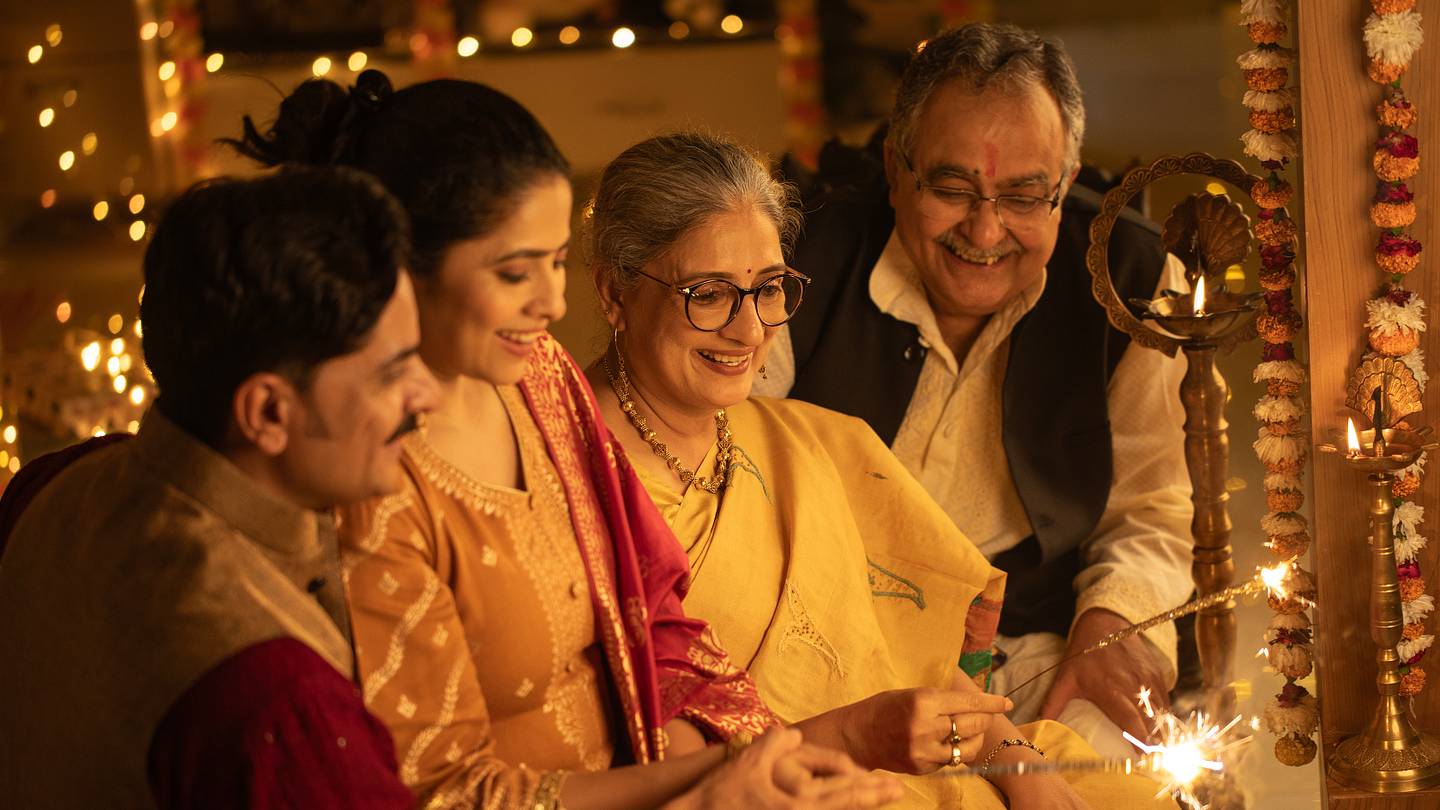
Friday, November 6 marks the first day of this year’s five-day celebration of Diwali, with the most important day taking place on Sunday, November 8 2026. Diwali is known as the festival of lights, which involves the decoration of buildings with lamps and other forms of lighting, including candles in addition to more modern forms of illumination like fairy lights. It is an important celebration in Hinduism, as well as for the Sikh and Jain communities, and is sometimes described as a pan-Indian festival to signify its importance to people from multiple faiths.While this year’s festival takes place in November, the date is not fixed and is sometimes in October. Here is a look at why the celebration of Diwali takes place on different dates each year. The name of Diwali originates from the Sanskrit word dipavali, which means a row of lights. Diwali is one of a number of festivals important to Hinduism which take place during this part of the year, including Durga Puja, Karwa Chauth, and Dussehra. It is symbolic for Hindus of the return of Lord Ram to his home after years in exile; for Sikhs, it marks the day in 1619 when the sixth Sikh Guru Hargobind Sahib gained his freedom; and for Jains, it celebrates the last Jain Tirthankara, Lord Mahavira, reaching the state of nirvana.Following a Different CalendarFemale friends burning sparklers at home during Diwali celebration | triloks/GettyImagesThe date of Diwali changes because it follows the Hindu calendar, not the Gregorian western calendar. The Hindu calendar is known as the Panchanga and is an example of a lunisolar calendar. It is one of the most complex calendars, which integrates both solar and lunar time, in contrast to western calendars which are focused on solar days and years. The most important day of Diwali is also known as Kartik Amavasya, which is a sacred day in the Hindu month of Kartik, the eight month of its calendar and one of the most sacred months.As Diwali is intertwined with the movement of the lunar calendar, it naturally fluctuates on the Gregorian calendar used in the west. More About the FestivalLit sparkler on Diwali night | Mayur Kakade/GettyImagesDiwali also represents the ideals of good triumphing over evil, and knowledge over ignorance, symbolized by the lights which stand for the illumination brought by knowledge. The lamps guide the way through the darkness, both literally and figuratively. Diwali celebrations include dressing up and using face decorations including the ceremonial mark of tika on the forehead between the eyes. Fireworks are also a vivid element of the festivities.The majority of the celebrations take place on the third day of Diwali, the darkest day of the month, and therefore the day when the lights will contrast most strongly with the darkness of the night sky.As well as marking a major cultural event important to multiple religions, the way in which this festival takes place on different dates from year to year therefore also highlights the richness of the differing ways in which time is measured around the world.
Why Is Diwali Celebrated on Different Dates Every Year?
Full Article
Original Source
Read the full article at Mentalfloss →KhanList aggregates and links to publicly available news content. We do not host full articles from third-party sources. Always verify important information with original sources.