
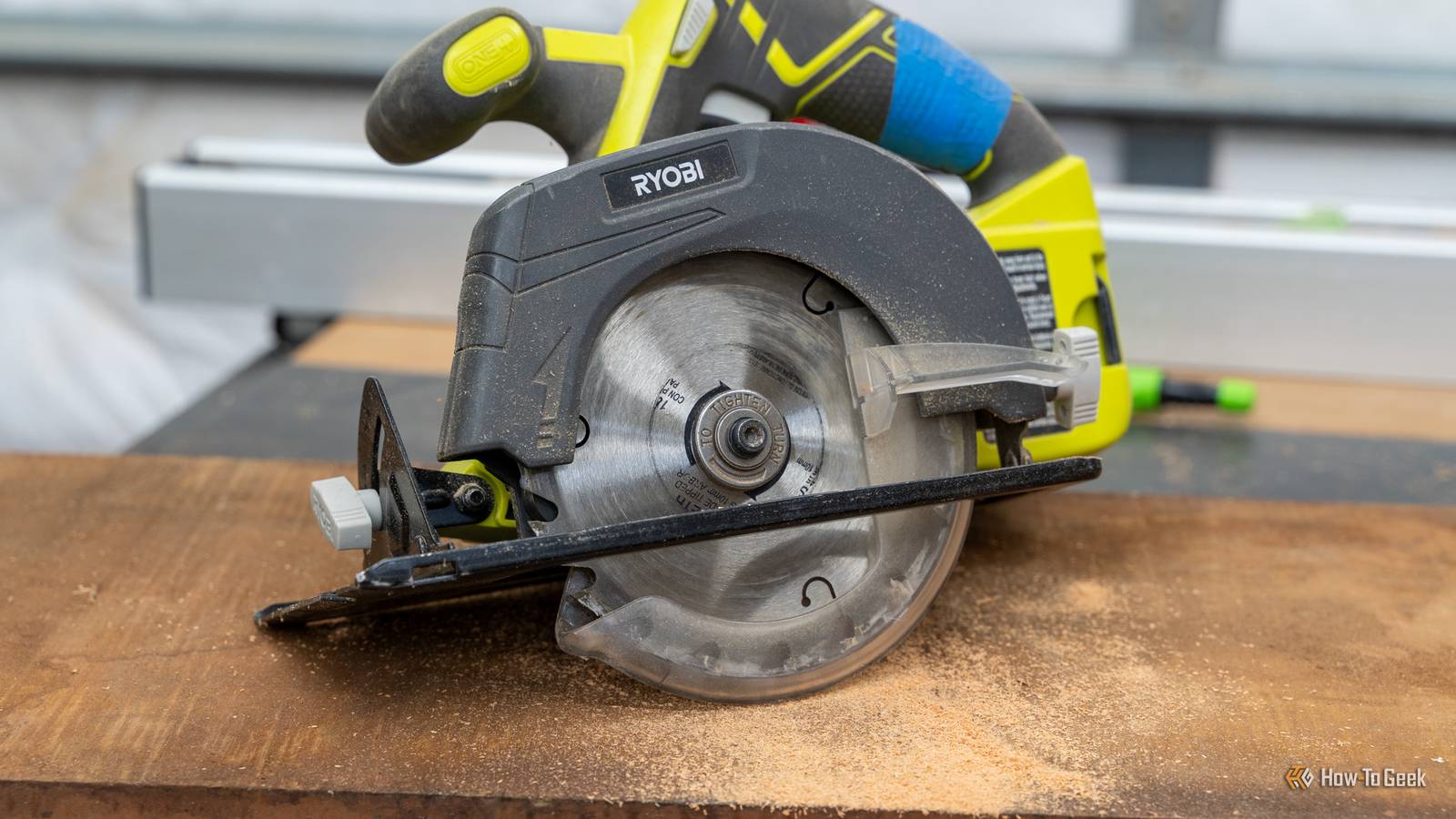
Published Nov 10, 2026, 8:30 AM EST Tim has been covering technology for almost 20 years, in that time spanning a broad range of topics from security to product reviews. He is especially focused on the Apple ecosystem, productivity, and consumer advice. Over the years Tim has written thousands of articles, reviews, and round-ups in addition to producing video content and original photography. A graduate of journalism, he found his footing as a freelancer with a laptop and loves how he is able to work from practically anywhere. Now a Senior Editor for iPhone, Mac, and Smart Home at How-To Geek, Tim still loves to write. He can also be found crafting round-ups and productivity posts for the Zapier blog. Earlier in his career Tim spent nearly a decade as a writer and eventually Apple section editor for MakeUseOf. Tim currently lives in Brisbane, Australia. Outside of work he loves to hike and work out, play video games, and spend quality time with his wonderful partner and two cats Inka and Roger. Sign in to your How-To Geek account Facebook Marketplace is still probably the best place to buy and sell things within walking or driving distance of your home. For me, it’s the best reason to keep my Facebook account alive in 2026, but not everything listed is a bargain or even worth buying. Used tools can be money savers, but not every purchase is the bargain it first seems. The weekend warrior’s DIY choice You know it, I know it, and Ryobi definitely knows it: the main reason people buy Ryobi tools is the value for money. They’re not the cheapest tools in the hardware store, but they deliver considerably more bang for your buck compared to the likes of Bosch and DeWALT, which are aimed at a different market bracket. There’s nothing stopping you from kitting out your toolshed with the best-of-the-best, but for most of us who occasionally pick up our tools on the weekend for a bit of casual DIY, Ryobi is more than good enough. Used tools are always cheaper, but the “floor” for items that are already cheap to buy new can only go so low. I’d go as far as saying that the used Ryobi tools I see on Facebook Marketplace don’t always come close to the discounts I see on brand new Ryobi tools at the hardware store. Considering how some Ryobi tools always seem to be on sale, I rarely consider looking at the used market before parting with my cash. On top of this, most people selling battery-powered tools rarely include the batteries required to power them. One of the reasons I picked up a Ryobi impact driver was because the bundled battery and charger made it too much of a bargain to ignore. Factor in the price of sourcing those yourself, and the used price can often make little sense. Brands like Milwaukee are mostly sold “shell only” even in the shops, so this is less of a concern when buying “premium.” Thrashed or stashed? That’s what you need to figure out Credit: Cory Gunther / How-To GeekCredit: Patrick Campanale / How-To Geek The other “problem” with buying used tools that are on the budget end of the spectrum directly relates to the reason that these tools are cheaper in the first place. It’s no secret that cheaper tools are built to an inferior standard compared with pricier ones. In Ryobi’s case, brushed motors are still common on many of their cheaper options (though the HP range is changing that with affordable brushless options). Brushed motors are less efficient than their brushless counterparts, generating more friction and heat as a result. Brushed motors don’t typically last as long. The same is true of other components on these tools. Anecdotally speaking, I’ve seen a fair few complaints leveled at Ryobi in regard to their switches and buttons. In some cases, these can be replaced if the part is still being manufactured. Plastic housings can break where metal would be able to withstand a drop. When you only have an item description and a few photos to go on, it’s not always clear how these tools have been used or stored. A Ryobi tool that has seen serious use is likely to have less life left in it than something from a more premium brand. If you’re buying for longevity, you might as well suck up the additional cost and just buy new instead. Some bargains are hard to refuse Tools of all shapes and sizes Credit: Tim Brookes / How-To Geek None of this might bother you. One of the best reasons to opt for a cheap power tool is that you want to get a job done for the least amount of money. For some jobs, buying a tool and using it till it breaks will be cheaper than paying for labor to have someone else do it for you. I bought a table saw from Facebook Marketplace for a single job. Buying a used saw so that the wood could be cut down to the necessary lengths was cheaper than buying a piece of furniture outright. It was built to custom-fit a space in my house, and the room looks better for it. Even the condition of the saw blade was a consideration when buying, since buying something from a “superior” brand and having to buy a new blade can add significantly to the cost. I could probably sell the table saw on for what I paid for it, or take a small hit on the cost I paid and still be happy with the results. While this doesn’t directly refer to Ryobi (Ryobi’s table saw is one I would specifically avoid, ironically), the point still stands. Many Ryobi tools retail for less than $80, which seriously calls into question the need to even look at the used market in the first place.
Why I think twice before buying used Ryobi tools from Facebook Marketplace
Full Article
Original Source
Read the full article at Howtogeek →KhanList aggregates and links to publicly available news content. We do not host full articles from third-party sources. Always verify important information with original sources.