
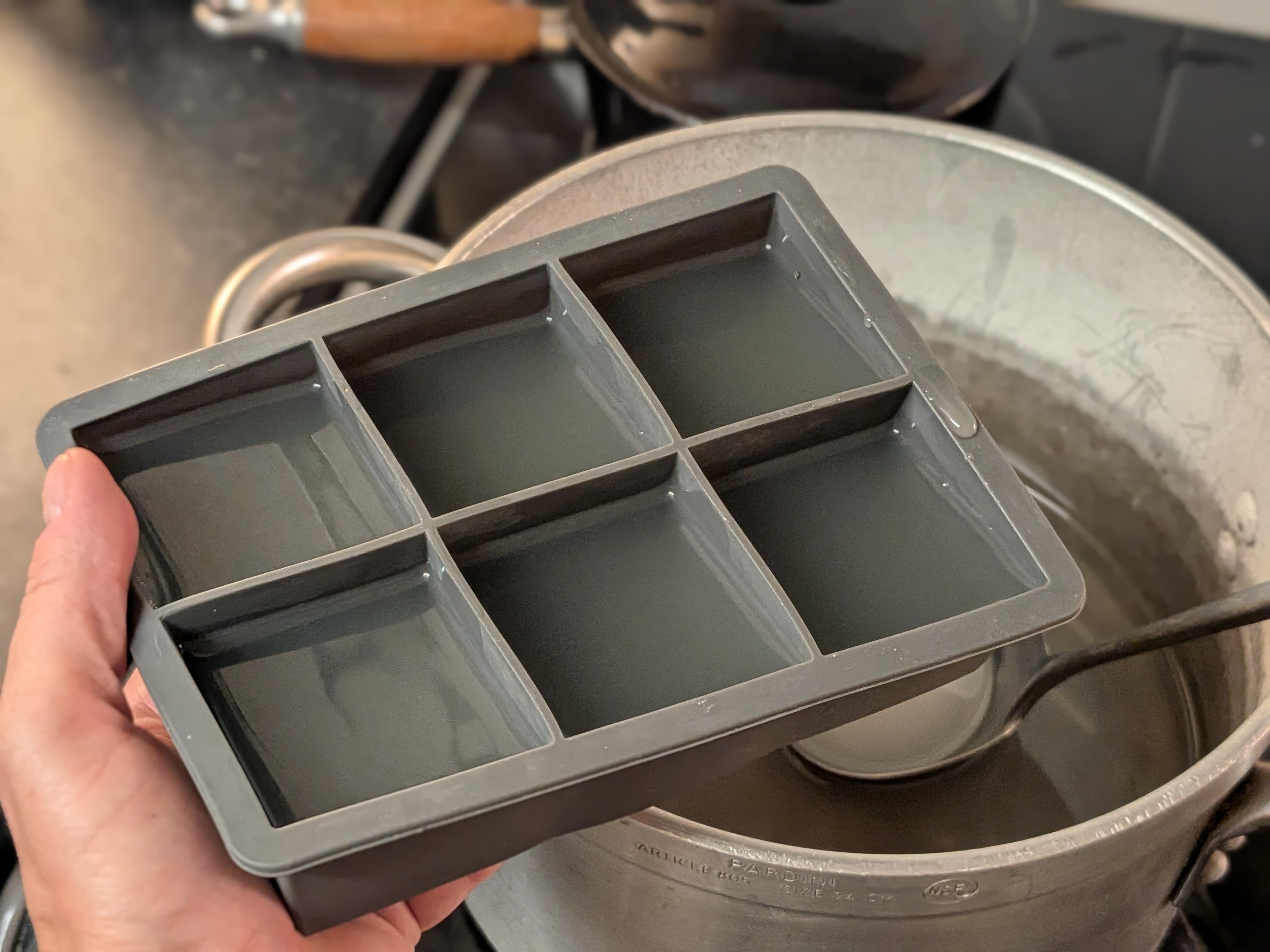
Among the suggestions home cooks often hear about unforgivable pasta sins, two top the list: overcooking and underseasoning. But you’ve already got this! You know to ignore the recommended cooking time by a minute or two, understanding that crossover cooking and/or added sauce will keep moving the needle toward perfect al dente, and you’re absolutely in the habit of salting your pasta cooking water to a degree that’s “like the sea.” Chefs are out there freezing leftover pasta water, so maybe we should, too.Pamela Vachon/CNET Those two steps are crucial to get the best outcome for your pasta, no matter the shape, and they deserve top billing. But the world’s most practiced pasta cooks also follow a third maxim: Save your pasta water. I spoke to three chefs about why hanging onto this liquid gold is a habit you should always practice, no matter what kind of sauce you have — or even if there’s no sauce — simmering nearby. The nature of pasta water When pasta meets boiling water, it absorbs the seasoned liquid and releases starch. After its cooking time of roughly 5 to 10 minutes (shape and size dependent), what’s left over is almost akin to a stock and should be treated accordingly. While 10-minute pasta water may not have the texture and flavor of a long-simmered stock, it still delivers broth. Why toss it? “Pasta water is starchy, and when added to a sauce, it helps to bind the sauce to the pasta when the pasta and sauce are tossed together,” said chef Melissa Mastrianni-Oleary, founder of Keeping It Simple Italian. “It also helps prevent the sauce from drying out during tossing.” “If you ever hear your pasta sizzling in the pan as it cooks with your sauce, it’s your cue to add more pasta water to the pan,” said Jessica Mode, culinary instructor of Homebody Eats. “This sound means all of your liquid has cooked off, and you’ll need the water to keep the pasta hydrated and the sauce creamy.” “If you ever hear your pasta sizzling in the pan as it cooks with your sauce, it’s your cue to add more pasta water to the pan,” says Mode.Pamela Vachon/CNET When creaminess is the goal, the starchiness of the pasta water also acts as a natural thickener or emulsifier when it meets one or more other ingredients likely in your sauce. “The pasta water especially helps when doing buttery sauces,” said Ciro Fodera, culinary director of Capri Italian Steakhouse. “The starchy water allows the butter to emulsify into the sauce, giving that rich and creamy gloss of a properly made cacio e pepe.” While we’re on the subject of cacio, a ladle of pasta water also keeps shredded cheese from clumping in your pan. The starchy water also helps emulsify non-dairy ingredients, such as olive oil, into something that looks and feels creamy. Saving your pasta water You can remove pasta with tongs or strain it with a bowl underneath to catch the starchy water. Pamela Vachon/CNET Taking your pasta pot to the sink and draining all that goodness away is both unforgivable and unnecessary. Depending on the shape and how much pasta you are cooking, I personally subscribe to a method where a strainer or colander isn’t even necessary: A good pair of tongs or a slotted spoon can easily move the pasta from the boiling water directly into the saucepan. Some residual water on the pasta during the transfer will already start the magic. If that seems risky, messy, or time-consuming — admittedly, it takes practice — use a glass measuring cup to scoop out a generous amount of cooking liquid right before draining or set a pot or bowl in your sink to catch the drained water. Pasta pots with built-in colanders are also made for this. The more pasta water you save, the more you have to work with, both for the dish in progress and for the future. More on that below. Pasta + sauce + pasta water: Best practices and considerations Combining your cooked pasta with your sauce and adding a bit of pasta water to marry it all relies on intuition, but you can set yourself up for success with some practiced guidance. Pasta water is the key to getting your sauce to adhere to the noodles.Pamela Vachon/CNET Start by undercooking your pasta. Yes, perhaps even more so than you already are. “You only want to slightly cook the pasta in boiling water,” said Mode. “After that, you’ll transfer the pasta to the pan with your sauce in it. During this process, you’ll ladle the pasta water along the side of the pan,” she said, while cautioning not to dump it directly on top of the pasta so that it emulsifies the sauce rather than gets further absorbed by the noodles. “Next, turn your heat to high and vigorously stir the pasta around,” Mode said. “The high heat, plus movement, in combination with pasta water is what gives you restaurant-quality pasta that’s perfectly cooked, with a creamy, jammy emulsion.” “I like to toss the pasta for a good 2 to 3 minutes so the pasta picks up the sauce and pasta water,” said Mastrianni-Oleary. “Sauce should not sit on top of pasta. The sauce should be absorbed by the pasta and flavor it a little from the inside.” Since it’s contributing flavor, Mastrianni-Oleary also notes another important consideration: “Not all pasta water is created equal,” she said. “Really good pasta water starts with really good pasta. Cheaper pasta does not produce great pasta water, so I prefer slightly more expensive pastas like Rummo.” Also, because you’ve generously seasoned your pasta water, keep that in mind when you first season your sauce. “I definitely have underestimated how salty my sauces can be when adding pasta water,” said Fodera. “Generally, the rule is to make sure you start your sauce with only a little salt. When you add the pasta water, it should increase the amount of salt to the perfect amount,” he said. “You can always add [salt], but you can’t take it away.” Saved pasta water is a present to future you A cube of leftover pasta water works as both a natural thickener and seasoning agent for future cooking projects.Pamela Vachon/CNET Saving pasta water for sauce cooking alongside the pasta is arguably mandatory, but as a present to future you, consider setting some aside for other projects where pasta isn’t actively cooking. “You can definitely freeze the pasta water,” said Fodera. Let it cool, then portion it into small containers or even an ice cube tray. “I’d use it for soups,” said Mastrianni-Oleary. “It will add a little starchiness to the soup along with salt.” A natural thickener and seasoning agent, reserved pasta water can also be used when cooking other grains. Plus, freezing your pasta water is a failsafe. “I’ve definitely been at home and not paying attention, so I dump all of my pasta water out in the sink,” Fodera said. “I’ll just pop an ice cube of the pasta water to finish my sauce with, so I don’t lose any of that flavor.” More tips to keep the kitchen humming Bread as a Sponge for Oil Is the Best Kitchen Hack I Learned All Year Tomato Paste, Mayo and 5 More Foods You Can Use for Cleaning Lid On or Off When Cooking Pasta? Here’s What an Italian Chef Says Your Air Fryer Can Make Perfect Hard-Boiled Eggs Pamela is a freelance food and travel writer based in Astoria, Queens. While she writes about most things edible and potable (and accessories dedicated to those topics,) her real areas of expertise are cheese, chocolate, cooking and wine. She's a culinary school grad, certified sommelier, former bartender and fine dining captain with 10 years in the industry. When not sitting at the keys, she leads in-home cheese classes, wine tastings and cocktail demonstrations. See full bio The Latest from Pamela Why Chefs Save Leftover Pasta Water, and Why You Should, Too Tomato Paste, Mayo and 5 More Foods You Can Use for Cleaning More Power for the Price: Smeg’s Dreamy Stand Mixer Gives KitchenAid a Run for Its Money
Why Chefs Save Leftover Pasta Water, and Why You Should, Too
Full Article
Original Source
Read the full article at Cnet →KhanList aggregates and links to publicly available news content. We do not host full articles from third-party sources. Always verify important information with original sources.