
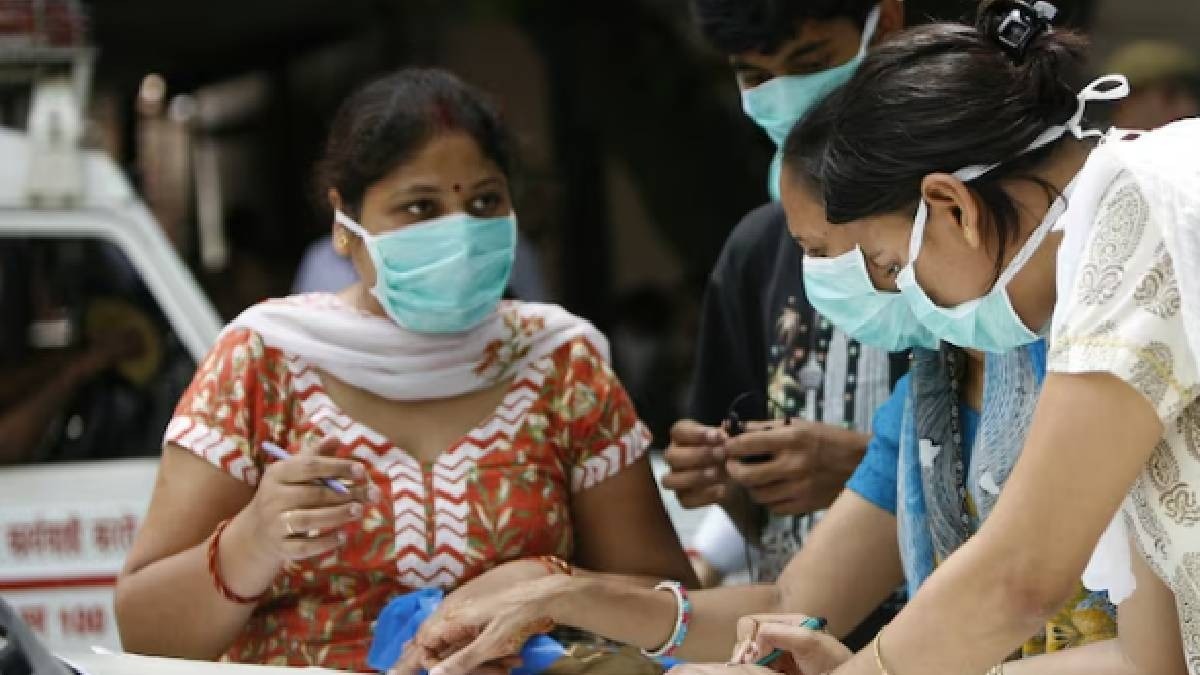
With H1N1 cases rising across India, not everyone with fever needs a flu test. Here's who should get tested, the best time to do it, how the swab is collected and which test is more reliable.As per the surveillance data reported through the Integrated Health Information platform (IHIP), Karnataka recorded 4,212 laboratory-confirmed influenza-positive cases up to 22nd August 2026Delhi-NCR is seeing a rise in flu-like illnesses, with H1N1, and other viral infections circulating at the same time. That can leave people wondering whether every fever and cough needs an influenza test. The answer is no, not necessarily. For a mild illness in an otherwise healthy person, a doctor may diagnose and manage flu based on symptoms and local influenza activity. But testing becomes more important when symptoms are severe, the patient is at higher risk of complications or the result could change treatment or care.WHEN SHOULD YOU GET AN H1N1 TEST?Contact a doctor about testing if you suddenly develop symptoms such as fever or chills, cough, sore throat, body aches, headache or unusual tiredness.Testing is particularly important if you are hospitalised or have severe or worsening symptoms. Pregnant women, older adults, young children, people with weakened immunity and those with conditions such as asthma, diabetes or heart disease should also seek medical advice early.You may also need testing if you have breathing difficulty, low oxygen levels, pneumonia-like symptoms or dehydration, or have been in close contact with someone with confirmed influenza. Because Covid and influenza can look similar, testing can also help when knowing which infection you have could affect treatment or infection-control decisions.THE FIRST FOUR DAYS MATTERIf testing is recommended, timing matters. A respiratory sample should ideally be collected within the first four days after symptoms begin, when the amount of virus being shed is generally higher.But if you are seriously ill or at high risk, don't wait until the fourth day, or delay treatment because you think you have missed the testing window. Doctors may recommend treatment based on symptoms and risk factors even before a test result comes back.HOW IS THE H1N1 TEST DONE?Forget the idea of a blood test. Acute influenza is usually tested using a respiratory swab.A healthcare worker may ask you to sit with your head slightly tilted back before inserting a sterile swab into the nose. Depending on the test, the swab may be collected from the front of the nose or taken farther back into the nasopharynx.The swab is briefly rotated to collect respiratory cells and secretions before being removed and placed in a tube for testing.It can feel uncomfortable and may make your eyes water, but the procedure is usually over quickly.A nasal, throat or combined nose-and-throat swab may also be accepted depending on the test being used.If your doctor recommends testing, you can ask whether an influenza A/B molecular test or RT-PCR from a nasal or nasopharyngeal swab is appropriate. If identifying H1N1 specifically is necessary, the doctor or laboratory can advise whether subtyping is required.WHAT IF YOUR RAPID TEST IS NEGATIVE?A negative rapid antigen test does not always mean you don't have flu.These tests can miss influenza infections, particularly when the amount of virus in the sample is low. If your symptoms strongly suggest influenza, a doctor may consider a more sensitive molecular test or interpret the result alongside your symptoms and the level of flu activity.WHEN SHOULD YOU GET URGENT HELP?Don't wait for a test if you have difficulty breathing, chest pain, confusion, severe weakness, bluish lips, persistent vomiting, severe dehydration or worsening symptoms.Low oxygen saturation also needs prompt medical attention.Pregnant women, young children, older adults and people with conditions that increase the risk of severe influenza should seek medical advice early.And don't start antibiotics on your own. Antibiotics do not treat influenza. A doctor may consider an antiviral such as oseltamivir depending on your symptoms and risk factors, sometimes even before the test result is available.So, if fever and cough have hit your home this flu season, the first step isn't necessarily rushing to a laboratory. Talk to a doctor about whether testing will actually change what you need to do next.- EndsPublished By: vaishnavi parasharPublished On: Aug 24, 2026 13:06 IST
When should you get an H1N1 test? And here's how it's done
Full Article
Original Source
Read the full article at Indiatoday →KhanList aggregates and links to publicly available news content. We do not host full articles from third-party sources. Always verify important information with original sources.