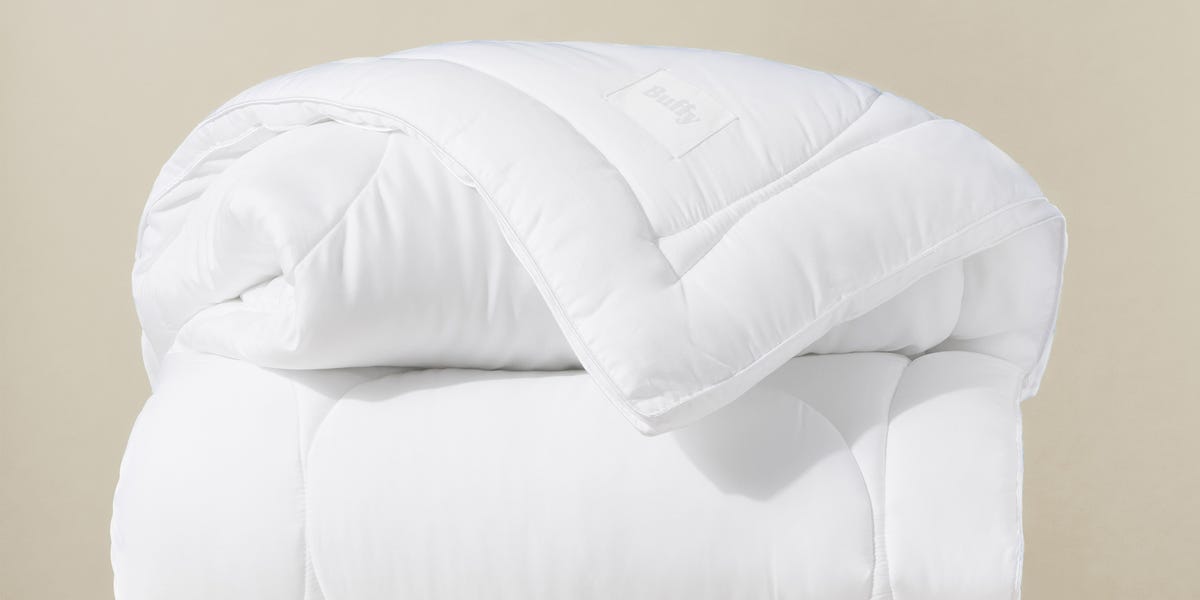
If you’ve ever kicked off your comforter in the middle of the night only to pull it back on five minutes later, you already know how much temperature can affect sleep. Because your core body temperature naturally begins to dip as you prepare for sleep, experts generally recommend keeping bedrooms comfortably cool at night to help you fall asleep faster.That’s why cooling bedding has become an increasingly popular upgrade. Whether you live in a hot environment, suffer from hot flashes, or just tend to overheat at night, the right bedding may help make those seven to nine hours more restful.But not all cooling comforters work the same way, and because “cooling” isn’t a standardized bedding category, performance can vary widely from brand to brand. Materials, fill density, and even the way a comforter creates its cooling effect all influence how it functions.The Mechanics of Cooling BeddingUnlike standard blankets, cooling bedding is specifically designed to help reduce heat buildup while you sleep. Some products rely on surface-level treatments (which may wash away over time) that create an initially cool sensation, while others use lightweight fibers, airy construction, and moisture-wicking materials to help regulate heat more gradually overnight.For many sleepers, airflow and moisture control matter more over time than an icy first touch—especially during warmer months or for hot sleepers. A comforter that’s cool for the first few minutes won’t necessarily stay comfortable until 1 a.m. While many cooling comforters are lightweight by design, there’s more involved than simply containing less fill.How Temperature Impacts Sleep QualityUpgrading your bedding can make a noticeable difference, particularly if you run hot. In the hour or two before sleep, your core body temperature naturally begins to dip by about 1 to 2°F as part of your circadian rhythm, helping cue the body that it’s time to rest. A cooler sleep environment helps support that process.If part of your sleep hygiene includes the cozy, cocooning feeling of a comforter, remember that “cooling” doesn’t necessarily mean barely-there bedding. Some sleepers actually find ultra-lightweight blankets less comfortable. The goal is usually to help heat dissipate—not simply to make the bedding thinner. The right bedding ultimately comes down to personal preference.Courtesy of BuffyThe Best Materials for Hot SleepersCooling performance isn’t just about fabric—the fill and construction matter, too. Lightweight materials and less dense layering tend to allow more airflow, helping heat and humidity escape. A few commonly used materials include:TENCEL™ lyocell derived from eucalyptus: A smooth, lightweight fiber known for its breathable, moisture-wicking propertiesCotton percale: Crisp and less dense with a classic breathable feelDown-alternative fill: Often lighter and less heat-trapping than traditional downConstruction can make a noticeable difference, too. Comforters with dense quilting or tightly packed fill may sleep warmer overall, while lighter stitching patterns often feel airier and less stifling.Cooling Comforters Worth ConsideringIf you’re looking for something that prioritizes breathability, offers lightweight comfort, and prevents that sticky, sweaty feeling, a few thoughtfully designed picks stand out.Buffy Cloud ComforterThe Buffy Cloud Comforter is designed to be a lightweight, all-season option with a plushness that doesn’t weigh you down at night. Its lofted fill makes it soft and cushioned, while the lyocell cover is intended to prevent excess heat from building up.Compared to some cotton comforters, the lyocell fabric not only wicks away moisture more easily, but has a smoother touch that many sleepers may find softer and quieter during movement overnight. The stitching also helps keep the fill more evenly distributed, so the comforter maintains a consistent texture across the bed.Because it strikes a balance between airy and cozy, the Buffy Cloud Comforter may appeal to sleepers who want something fluffy and comfortable without feeling overly insulated.Buffy Breeze ComforterThe Buffy Breeze Comforter takes a noticeably lighter approach and is geared more specifically toward hot sleepers. Made with TENCEL™ Lyocell shell and fill derived from eucalyptus, it uses the same fiber throughout, so airflow and moisture-wicking aren't interrupted at the layer that touches your skin.Compared to more traditional comforters, the Buffy Breeze Comforter has a sleeker, more fluid finish with less overall heft. That lighter construction may make it especially appealing during warmer months or for anyone who dislikes the weight of denser bedding.Some sleepers may prefer the fuller feel of the Buffy Cloud Comforter, particularly in colder weather, but the Buffy Breeze Comforter can be a good choice for people who prioritize airflow and a less insulating sleep setup overall.Both comforters are relatively easy to care for and come with at-home trial periods and flexible return policies, which can be especially helpful when shopping for bedding online. Both are certified to OEKO-TEX® STANDARD 100 Class 1, the standard’s strictest product class, designed for textiles used by babies and toddlers.Courtesy of BuffyWho Benefits Most From a Cooling UpgradeCooling comforters can work well for a wide range of sleepers, including those who:Tend to wake up feeling overheatedLive in warmer climates or deal with inconsistent indoor temperaturesShare a bed with someone who sleeps at a different temperaturePrefer lighter layers but still want the comfort of a traditional comforterExperience night sweats or overheat overnightIf you regularly find yourself throwing blankets off halfway through the night or constantly adjusting the thermostat, it may be worth trying a more ventilated option.Ultimately, the right cooling comforter should help you stay comfortable from bedtime through morning—not just feel cold when you first climb into bed. Finding your favorite may take some trial and error, but details like fill, fabric, and construction can make a surprisingly big difference night after night.Frequently Asked Questions
What to Look for in a Cooling Comforter
Full Article
Original Source
Read the full article at Cosmopolitan →KhanList aggregates and links to publicly available news content. We do not host full articles from third-party sources. Always verify important information with original sources.