
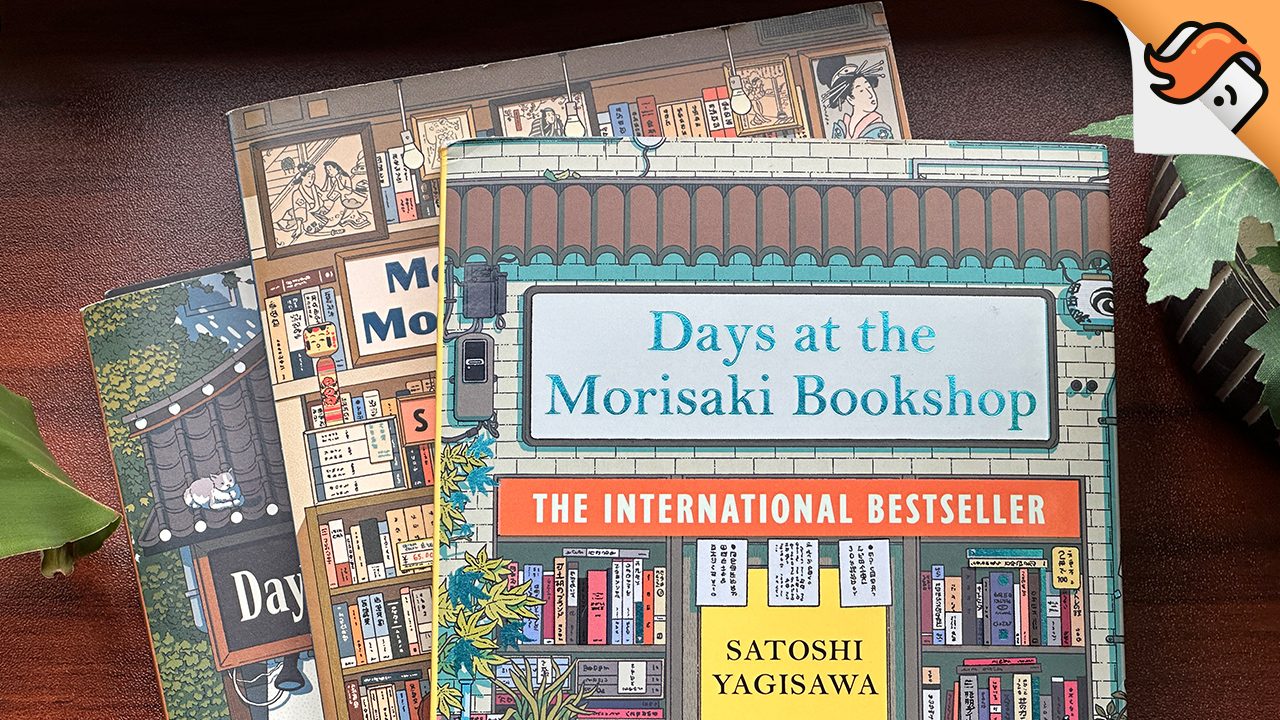
Satoshi Yagisawa has a way of capturing the intimacy of the mundane The text discusses the overwhelming nature of modern life and the importance of unplugging, particularly through engaging with slice-of-life literature. Satoshi Yagisawa's books, such as 'Days at the Morisaki Bookshop,' provide relatable characters and settings that foster a sense of community and emotional connection. These narratives emphasize the beauty of ordinary experiences and the healing power of taking time to appreciate life's simple moments. This is AI-generated. Read the article for full context. Report any errors. It’s easy to be overwhelmed with problems that we feel like are out of our control, especially when you’re endlessly scrolling online. Political dynasties seemingly playing the role of Game of Thrones characters, tech bros running amok with AI, and social media deregulating our emotional stability. I’ve built routines to help me unplug and spend time off my screen, and one effective way I found was to dive deep into slice-of-life books. These are books that highlight ordinary people going through somewhat normal situations, but with the kind of deep intimacy that you can only get from being in the moment and being able to practice the art of noticing (in a way, like street photography). There are lots of amazing slice-of-life books that talk about life in interesting ways. The “Kamogawa Food Detectives” by Hisashi Kashiwai, for example, uses memories around food. “Heartstopper” by Alice Oseman is a coming-of-age story that relies on quiet vignettes instead of big plot twists to drive the narrative. Three books that I’ve read, then read again, then read once more are works by Japanese author Satoshi Yagisawa. Namely, these are “Days at the Morisaki Bookshop,” its sequel “More Days at the Morisaki Bookshop,” and “Days at the Torunka Cafe.” They’re all cozy reads, and I love bringing any one of these with me to a coffee shop and spending time with them while listening to jazz music. And what I especially love about these books is how easy it is to see myself in any of the characters in them as well as the soft energy that comes from how the stories are all grounded in spaces that are shared by small and tight-knit communities. Third places that have stories to tell “Days at the Morisaki Bookshop” and its sequel are mostly set in Jimbocho, a famous neighborhood in Chiyoda, Tokyo, Japan, known as the largest secondhand and antiquarian book town that has about 200 bookstores. “Days at the Torunka Cafe,” on the other hand, is set in a fictional neighborhood in Tokyo. The Torunka Cafe itself is said to be tucked away in a narrow alleyway that some discovered after following a mysterious cat to the place. These locations serve as third places that anchor us to the characters and the stories, and are written with such gentle detail that it’s as if they actually exist in real life. The Morisaki Bookshop was a building filled to the brim with old books, had a musty smell, and was prone to humidity. Torunka Cafe was filled with the aroma of fresh coffee, a respite people frequented after long walks, and a place that held so much history. I love how Satoshi Yagisawa expresses emotions, but I also find how he notices and portrays the little mundane details that make a place realistic. They’re also witnesses to how the characters live and the challenges they face, as well as both big and quiet wins that they gain. And in all honesty, I crave these kinds of third spaces and yearn for that sense of community that comes with meeting people there. Life can seem fragmented at times, and it’s amazing to witness how an unassuming cafe or bookshop can keep a mesh of people connected. Healing is messy and slow The characters that Satoshi Yagisawa writes feel real, not just because they’re ordinary people, but also because they make the same decisions that we would in their situation. No one is a superhero or a villain in these stories. They’re going through love, grief, regret, and great joy just as we do. Takako in “Days at the Morisaki Bookshop” experiences an unusual “breakup” from a situationship she thought was serious and finds herself moving across town just to get away from it all. She was called “Sleep Monster” by a regular who noticed all she did was stay in bed when she first moved to Jimbocho. But eventually, she starts clearing up the bookshop her uncle inherited, finding books that she enjoys, and discovering a coffee shop to read them in, as well as making new friends who pull her out of her own head. Takako’s healing was messy and slow to start, but her journey was comforting to read because it felt familiar. Satoshi Yagisawa articulated the flurry of emotions we go through. Here’s an excerpt that I wrote in my own commonplace journal (where I place things I read or hear that I want to remember) about Takako’s story: “There’s a whimsy and contemplativeness in Takako that I connect with – how she allows life to whisk her away is a quality I wish I had. But she’s also able to steel herself and sit still – a quality I see in us both.” The art of sitting still Ultimately, Yagisawa’s books are a quiet rebellion against a world that demands constant optimization and rapid-fire emotional processing. They remind us that we don’t always need a grand, world-saving tale to pull us out of a slump or distract us from doomscrolling. Sometimes, the most profound thing we can do is perhaps take space in a cramped room smelling of old paper, or allow our whimsy to take us to a narrow alleyway cafe and try a new drink. These slice-of-life books allow us a chance to, well, experience life outside our phones! They become opportunities to pull up a chair somewhere, feel the cold air, and read the world. – Rappler.com How does this make you feel? Loading
We should read more slice-of-life books
Full Article
Original Source
Read the full article at Rappler →KhanList aggregates and links to publicly available news content. We do not host full articles from third-party sources. Always verify important information with original sources.