
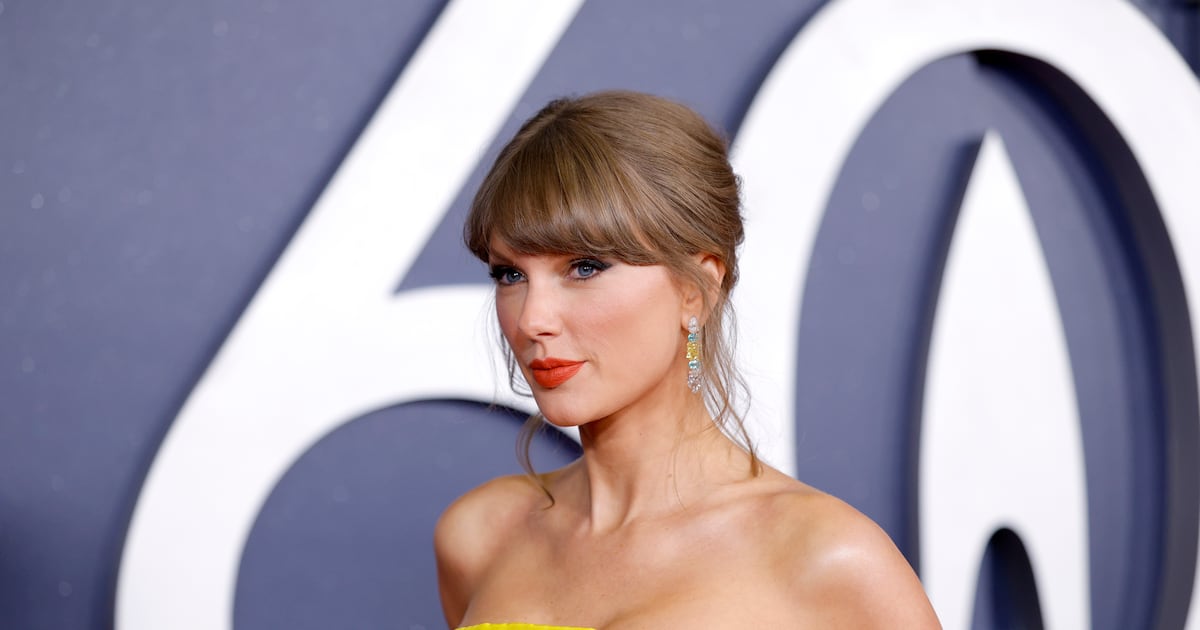
On Monday, Vanity Fair published an article titled The Mastermind about “a country girl [who] became the biggest star on the planet”, widely understood to be about Taylor Swift, given the references therein to her song lyrics (including in the article’s title) and well publicised life events throughout. For the long-read, journalist May Jeong spoke to more than 100 sources and “finds there’s more than one version of this fairy tale”.The article proposes to lift the lid on the goody-two-shoes image of “the Star”, to see what lurks beneath the facade of coiffed bangs, friendship bracelets and adoring fans. And what does it expose? That the Star might be the worst thing a woman can be – a mean girl.The accusation is levelled against her by a source called “the Exec” who says “It truly is Regina George”, referring to the leader of the Plastics clique in the 2004 film, Mean Girls. READ MOREThis comes after a lengthy passage on the Star’s relationships with fellow musicians. The Exec suggests that her support for “the Brat” (understood to be Charli XCX, creator of the Brat album), is performative.The source goes on to suggest another phoney display from the Star, who dances to “the Protégé’s” performance at the Grammys after said protege released a song depicting a falling-out with a mentor. As the lyrics quoted are from The Grudge by Olivia Rodrigo, it’s understood to be a reference to her. “What emerges as the Star’s most enduring identity is not musician, not artist, not celebrity, but a combination of victim and victimiser,” Jeong writes.The narrative goes back to her high-school days, where sources say she was rich and popular and could afford Ugg boots in an array of colours, contrasting with an image of herself she has portrayed in the media as someone who didn’t have friends.This cliquey mean-girl caricature goes on to describe how she manages her relationships in adulthood. “If you’re in the circle, she takes amazing care of you,” a musician who toured with her is quoted to have said. “If you’re not, you face social censure,” writes Jeong. [ I don’t care so much about Taylor Swift’s life decisions these days. I have bigger questionsOpens in new window ]“It’s always the same,” “the Person Familiar” says – a source described as having once been close with the Star. “They say something she doesn’t like and they are dead to her. She’d be at dinner at [redacted]’s, then three weeks later, ‘Oh no, I hate her guts’.”The piece also goes over the well-trodden narrative of how the Star’s Madison Square Garden wedding cost a small fortune and led to “thousands of New Yorkers” losing electricity.The article portrays the Star as not a very nice person, who can be manipulative and play the victim. She is a master operator. But frankly, who cares?The celebrity hit piece is nothing new, but it does feel outdated in 2026 against a landscape where famous men have lately been exposed for getting away with far worse behaviour for decades.Jeong’s article was published just a couple of weeks after comedian and podcaster Russell Brand was sentenced to more than 10 years in prison for rape and sexual assault, and comedian and children’s author David Walliams was accused by multiple women of using his power and celebrity status to prey on young women and teenagers for sex.For Vanity Fair to expend enormous resources and investigative time exposing someone famous as acting like a bit of a b*tch on occasion, if the allegations are to be believed, it all seems incredibly trite in comparison to famous men being exposed as predators.[ Irish booksellers remove David Walliams books from shelves after published accusationsOpens in new window ]No doubt Jeong had worked on the piece for a long time, and the timing of publication is likely coincidental. But its stark contrast with recent serious celebrity revelations only serves to highlight what is true regardless – this type of article belongs in a bygone era.Culture has moved on from delighting in tearing successful women down for not performing a kind and nurturing feminine ideal, and the arguments made against the Star here aren’t robust enough to make any discerning reader take against her or her work.It raises the question though, why publish it? Or more importantly, why commission it to begin with?
Vanity Fair’s Taylor Swift takedown is outdated against a backdrop of toxic male celebrity revelations
Full Article
Original Source
Read the full article at Irishtimes →KhanList aggregates and links to publicly available news content. We do not host full articles from third-party sources. Always verify important information with original sources.