
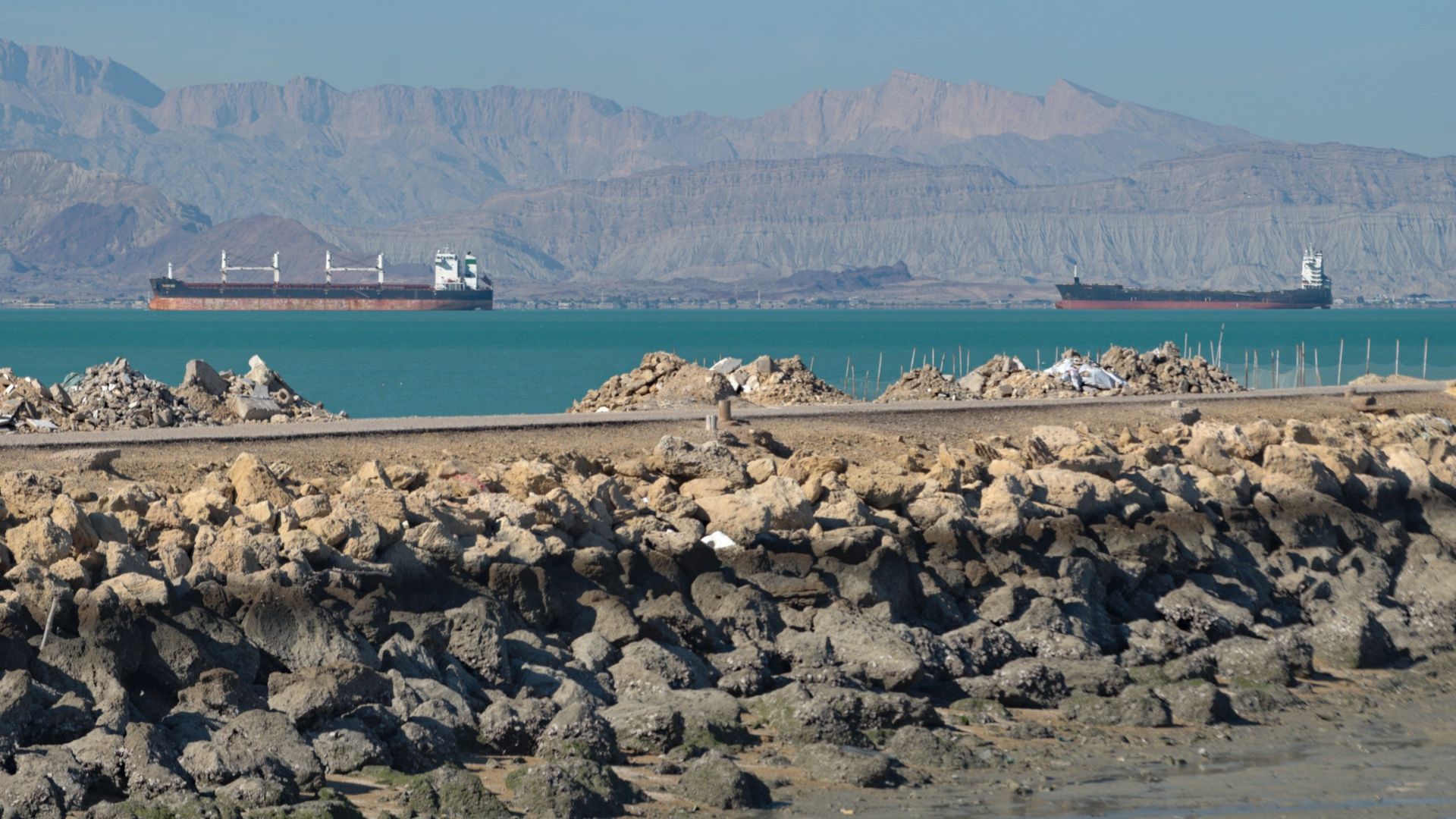
The U.S. military has quietly expanded its campaign against Iran, conducting limited strikes on Qeshm Island as Washington weighs diplomatic options and prepares for a possible return to wider combat. U.S. officials confirmed Monday’s operation, describing it as a defensive response to Iranian surface-to-air missile threats against American assets. The strikes also aimed to limit Tehran’s ability to threaten commercial shipping near the Strait of Hormuz. The operation signals that American forces remain engaged despite President Donald Trump’s public suggestions that the conflict has largely ended. It also raises questions about whether Washington can maintain its military pressure without triggering another major confrontation. Strikes target strategic island Qeshm Island occupies a critical position near the Strait of Hormuz, one of the world’s most important energy shipping routes. Iran operates strategic military infrastructure there, including an underground missile facility and a naval base. The island also hosts a major desalination plant, making it an important part of the region’s infrastructure. Its location gives Iranian forces a strategic position near shipping lanes used by commercial vessels. Explosions reportedly occurred across parts of Qeshm on Monday, according to social media reports. The U.S. has previously targeted the island during earlier phases of the conflict. Washington has also considered seizing the territory, according to reports. However, Monday’s strikes appeared limited and did not indicate preparations for an immediate ground operation. American officials told the Wall Street Journal that Washington had conducted similar attacks secretly in recent weeks. The administration has avoided publicly announcing these operations to prevent signaling a return to large-scale warfare. Pentagon prepares wider options The latest strikes follow weeks of military planning inside the Trump administration. Senior officials have discussed additional airstrikes and presented the president with several options. Those options reportedly include tighter economic sanctions and expanding restrictions on Iranian trade. U.S. Central Command has also prepared for broader military operations. Adm. Brad Cooper, head of U.S. Central Command, visited the White House last week. He briefed Trump on the conflict and potential military responses. The Pentagon has strengthened its regional posture in recent weeks. American forces have moved additional missile defenses and munitions into the region. Washington has also warned Gulf countries about a possible short, intense military operation after Tuesday’s midterm elections. Such preparations suggest the administration wants to retain the ability to escalate quickly. Trump keeps diplomacy open Trump has recently softened his public position on renewed military action. On Monday, he dismissed suggestions that another round of major strikes would immediately follow the elections. Speaking to reporters, Trump said the United States had already won its confrontation with Iran. He questioned whether the current situation even qualified as a war. The president also suggested that negotiations could produce an agreement. Vice President JD Vance echoed that assessment, saying Washington and Tehran had made progress toward ending hostilities. Iranian officials have maintained that any agreement depends on American concessions. Foreign Ministry spokesperson Esmail Baghaei said Tehran had clearly communicated its demands. Supreme Leader Mojtaba Khamenei has also warned that Iran would retaliate if Washington reignited the conflict. His threats extend beyond the Middle East. The competing signals leave the region facing an uncertain military outlook. Washington continues to strike Iranian targets while keeping diplomatic channels open. Whether those negotiations can prevent another major confrontation remains unclear. The limited operations on Qeshm demonstrate that the United States has not abandoned military pressure. Get the latest in engineering, tech, space & science - delivered daily to your inbox.Aamir is a seasoned tech journalist with experience at Exhibit Magazine, Republic World, and PR Newswire. With a deep love for all things tech and science, he has spent years decoding the latest innovations and exploring how they shape industries, lifestyles, and the future of humanity.
US strikes Iran’s Qeshm Island near the world’s most critical oil shipping route
Full Article
Original Source
Read the full article at Interestingengineering →KhanList aggregates and links to publicly available news content. We do not host full articles from third-party sources. Always verify important information with original sources.