
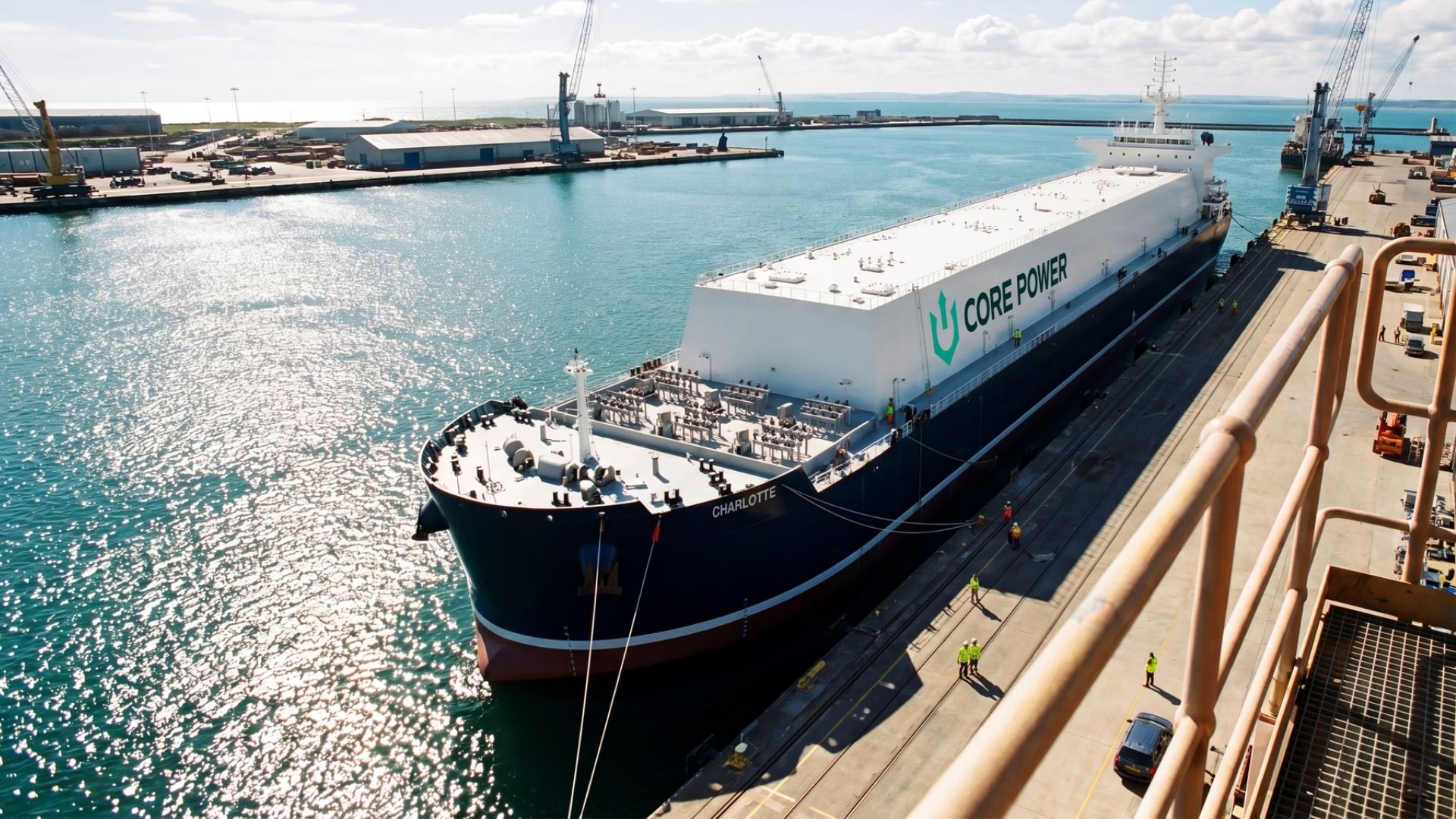
The United States Maritime Administration (MARAD) is looking to counter China’s dominance in global commercial shipbuilding with a fleet of 50 US-flagged nuclear-powered merchant vessels, construction for which could begin as early as 2028. China is the dominant force in the commercial shipping market, producing more than half of the bulk carriers, container ships and liquefied natural gas (LNG) tankers every year. Much of this has been achieved with a state-backed shipping corporation, which also builds naval warships for the Chinese People’s Liberation Army. The Asian giant is now looking to further strengthen its position by building nuclear-powered ships that do not require refueling stops and can carry more cargo per trip than conventional carriers. MARAD is looking to leverage US expertise in nuclear technology and the strength of its allies in shipbuilding to reverse its maritime decline by building the next generation of maritime vessels and not just rebuilding more ships on its shores. As part of its plans, MARAD is seeking to build a fleet of 50 nuclear-powered vessels, which will be a mix of LNG tankers and container ships. Last week, the federal agency signed a non-exclusive Memorandum of Cooperation (MOC) to create a pathway for government and industry cooperation to build these ships and supporting infrastructure. US Secretary for Transportation Sean Duffy said in a social media post that a nuclear-powered fleet would allow up to 75 percent faster crossings without releasing carbon emissions into the atmosphere and that the US was working to fast-track their construction. UK-based Core Power is the co-signatory on the MOC and has ambitious plans to begin construction of the first vessel as early as 2028. The hulls for these ships could potentially be built with US allies Japan or Korea, while the nuclear components are fitted out in a shipyard on US shores. Looking beyond the fleet Estimates suggest that a single nuclear-powered ship could cost over $700 million, almost three times the price of a conventionally powered ship. However, supporters of the idea point out to the savings in fuel costs, higher speeds and sea time allowing greater utilization, tio justify the higher price tag. Core Power estimates that a conventionally powered vessel would need to be 66 percent bigger to carry the same volume of goods as a nuclear-powered vessel, highlighting its cost efficiency too. The company is also looking beyond commercial shipping on US shores when its comes to nuclear power. Working with the US Department of War, Core Power is also looking to place a floating nuclear power plant on a vessel stationed inside a military port to power a data center in the future. Interesting Engineering has previously reported how floating power plants are powering vast areas in Russia by connecting to the local grid. Core Power plans to achieve something similar using a reactor from BWX Technologies. The idea to use a military port for the vessel, however, is to take advantage of simpler regulations for operation of nuclear power plants onboard ships at defense ports. The costs of connecting to the grid might be high and could require the vessel to remain docked at the port for a substantial period. However, given the long lifetimes of nuclear facilities, it could be moved to a new position once the contract is served. Get the latest in engineering, tech, space & science - delivered daily to your inbox.Ameya is a science writer based in Hyderabad, India. A Molecular Biologist at heart, he traded the micropipette to write about science during the pandemic and does not want to go back. He likes to write about genetics, microbes, technology, and public policy.
US plans nuclear-powered merchant fleet with 50 ships, each costing $700 million
Full Article
Original Source
Read the full article at Interestingengineering →KhanList aggregates and links to publicly available news content. We do not host full articles from third-party sources. Always verify important information with original sources.