
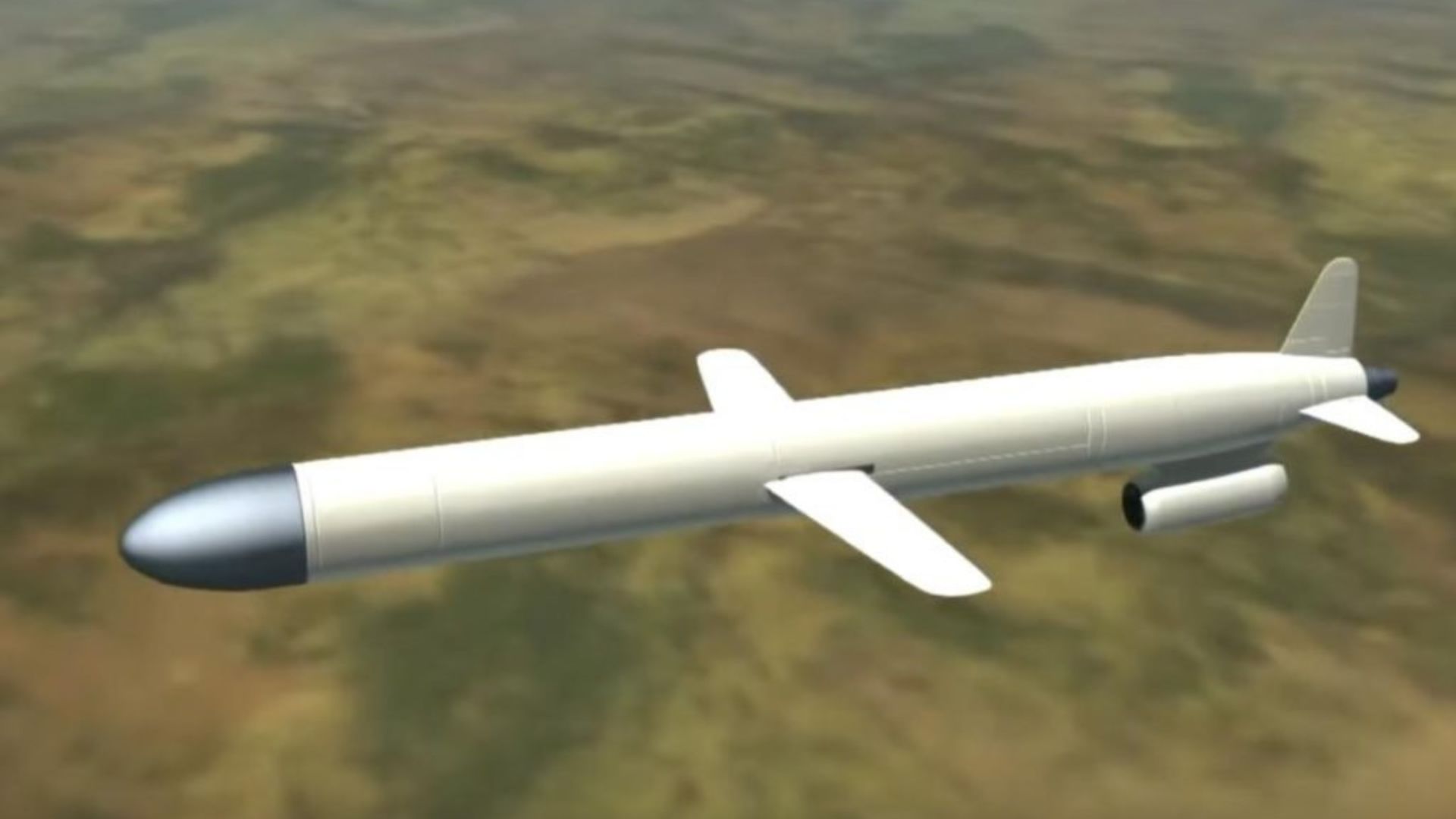
A Russian Kh-101 cruise missile crossed into Polish airspace before crashing roughly 31 miles (50 km) inside the country Friday, November 20. The crash was considered a serious violation of NATO territory since Moscow launched its full-scale invasion of Ukraine. Polish authorities also reported two additional objects, believed to be another missile and a jet-powered drone, entering the country during Russia’s latest large-scale strike against Ukraine. The incident unfolded as Russia launched one of its largest overnight attacks of the war, firing more than 110 missiles alongside hundreds of drones against Ukrainian targets, according to Ukrainian and Polish officials. Poland scrambled F-16 fighters, activated Patriot air-defense batteries and coordinated with NATO surveillance assets after radar detected multiple objects approaching its eastern frontier. Raises concern for NATO For NATO, the concern extends well beyond a single missile. The Kh-101 is among Russia’s most advanced air-launched cruise missiles and was designed specifically to strike ground targets at long range, cruising at 435 mph (700 km/hr) with a reported maximum speed of 590 mph (900 km/hr). Carried primarily by Tu-95MS and Tu-160 strategic bombers, the missile has an estimated range of up to 1,740 miles (2,800 km), allowing launch aircraft to remain deep inside Russian airspace while striking targets across Ukraine and much of Eastern Europe. It carries a conventional warhead weighing approximately 990 pounds (450 kg), though some modified variants reportedly feature dual-warhead configurations for increased destructive capacity. Unlike ballistic missiles that descend at hypersonic speeds, the Kh-101 flies at low altitude, hugging terrain and using onboard navigation systems to weave around natural obstacles. That flight profile significantly shortens radar detection windows, leaving defending forces with only minutes, or sometimes seconds, to classify and intercept an incoming threat. The missile combines inertial navigation, satellite guidance, and terrain-matching systems before relying on electro-optical guidance during its terminal phase. Military analysts said this layered navigation enables high accuracy against infrastructure, logistics hubs and command centers. Preferred combat weapon Since its combat debut in Syria, the Kh-101 has become one of Russia’s preferred long-range strike weapons during the war in Ukraine. Moscow has repeatedly used the missile in coordinated attacks alongside Kalibr sea-launched cruise missiles, Iskander ballistic missiles and large numbers of Shahed-type drones. The combination is intended to overwhelm Ukrainian air defenses by forcing operators to engage multiple threats arriving from different directions and at varying speeds. The latest incident also underscores a growing risk for NATO countries bordering Ukraine. Although Poland has experienced previous incursions by Russian missiles and drones during major attacks on Ukraine, Friday’s event occurred amid multinational military exercises involving allied forces and renewed discussions over strengthening NATO’s eastern flank. Military experts noted that even if a cruise missile is not intended to strike NATO territory, its long range, terrain-following flight path and proximity to Ukraine’s western border create opportunities for navigation errors, battle damage or deliberate route changes that can carry it across international boundaries. Each incident forces allied commanders to decide within moments whether an unidentified object poses enough risk to justify interception, a decision with potentially far-reaching political and military consequences.Get the latest in engineering, tech, space & science - delivered daily to your inbox.
US nuclear rival’s 1,740-mile Kh-101 stealth cruise missile enters NATO-member Poland
Full Article
Original Source
Read the full article at Interestingengineering →KhanList aggregates and links to publicly available news content. We do not host full articles from third-party sources. Always verify important information with original sources.