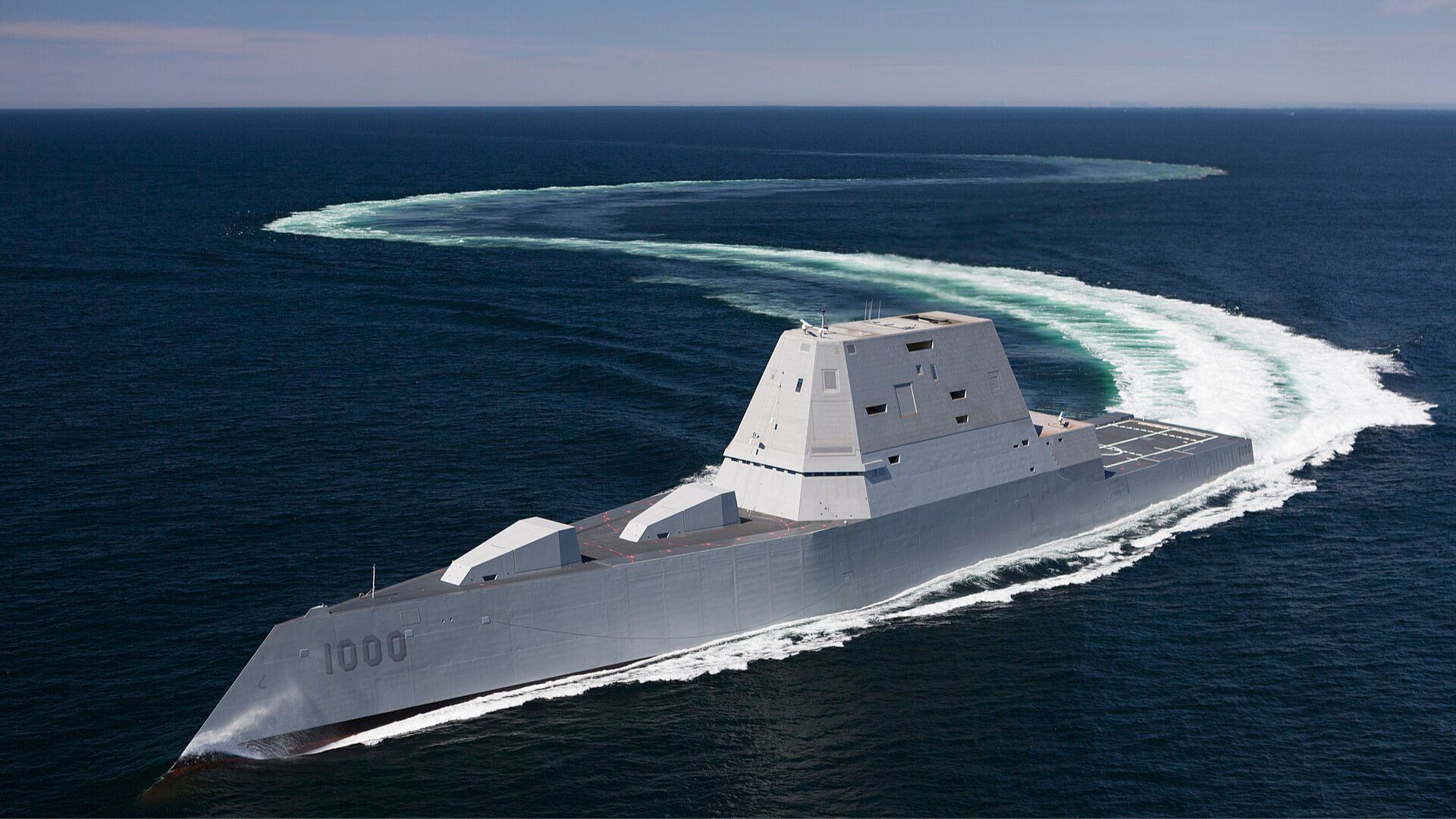
The U.S. Navy is bringing back the battleship. And this time, it wants nuclear power. In a move that resets decades of surface warfare strategy, defense officials confirmed that the proposed Trump-class guided-missile battleship will be nuclear-powered. Officially redesignated from BBG(X) to BBGN, the 35,000-ton leviathan represents America’s first nuclear-powered surface combatant initiative since the Cold War era. Power requirements Operationally, the logic is hard to dispute. Modern naval warfare runs on energy. A warship designed to fire hypersonic missiles, recharge high-power lasers, run massive sensor arrays, and potentially mount an electromagnetic railgun requires unprecedented electrical capacity. Gas turbines cannot match that footprint. Equipping USS Defiant with the A1B nuclear reactor addresses two major operational challenges simultaneously. It eliminates fuel constraints, providing virtually unlimited range across the Indo-Pacific while generating electrical power required to operate next-generation, high-energy weapons and sensors. Constrained shipyards The primary challenge facing the nuclear battleship program is not technology, but severe US supply chain challenges. A recent analysis stated that the United States relies on just two shipyards certified for naval nuclear construction, creating a significant issue for expanding the fleet. Huntington Ingalls Industries (HII) Newport News serves as the nation’s sole facility capable of building nuclear-powered surface ships, though it is already contending with persistent delays and rising costs on the Gerald R. Ford-class aircraft carrier program. Meanwhile, General Dynamics Electric Boat operates exclusively as a submarine builder, which focuses its capacity on high-priority attack and ballistic missile boats. This leaves no alternative dockyards available to absorb additional nuclear surface combatants. Also, Congress is concerned that adding a third major demand will divert long-lead reactor parts and workforce from the already delayed Ford-class aircraft carriers, Columbia-class ballistic missile submarines, and Virginia-class attack submarines. Fuel supply risks Adding nuclear battleships to the US defense load directly risks the AUKUS partnership by overburdening key industrial assets. It puts additional strain on already-stretched dockyards, reactor vendor BWX Technologies, and the specialized workforce tasked with delivering Virginia-class submarines. The UK manufactures its own reactors independently via Rolls-Royce. However, the UK remains exposed through its reliance on US reactor design pedigree and a limited, non-replenishable stockpile of Highly Enriched Uranium (HEU), over half of which originates from the US. “The last public figure put the UK’s Highly Enriched Uranium (HEU) stockpile at 21.86 tonnes in 2002, but its present size, composition and availability for future naval fuel are not publicly known,” stated a report by Navy Lookout. This vulnerability has prompted London to invest £1.7 billion to re-establish domestic enrichment and secure its long-term naval fuel independence. The decision to go nuclear has amplified political skepticism around the BBGN program. It raises concerns about extended construction timelines and whether an ambitious 15-battleship goal is feasible for a fleet not projected to hit 355 ships until FY2040. Critics view the project as politically vulnerable and at risk of being canceled by a future administration, prompting Congress to maintain strong support for the conventionally powered DDG(X) destroyer program as a more practical alternative.Recommended ArticlesGet the latest in engineering, tech, space & science - delivered daily to your inbox.Mrigakshi is a science journalist who enjoys writing about space exploration, biology, and technological innovations. Her work has been featured in well-known publications including Nature India, Supercluster, The Weather Channel and Astronomy magazine. If you have pitches in mind, please do not hesitate to email her.
US Navy confirms nuclear power for proposed Trump-class battleship program
Full Article
Original Source
Read the full article at Interestingengineering →KhanList aggregates and links to publicly available news content. We do not host full articles from third-party sources. Always verify important information with original sources.