
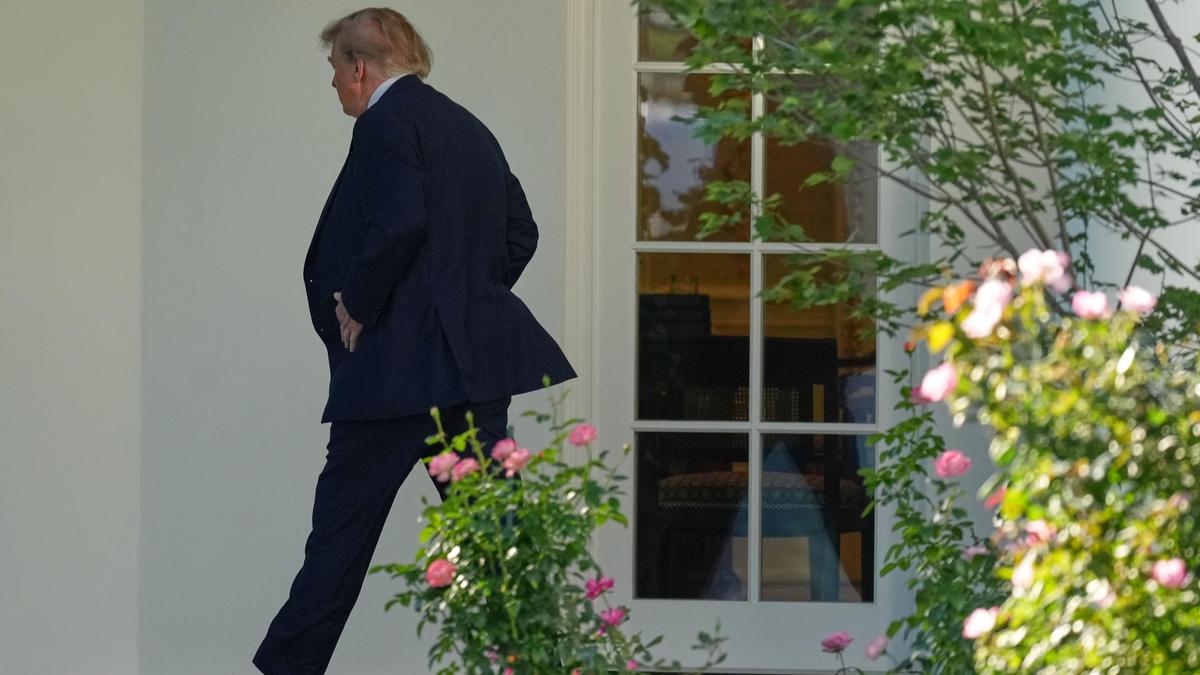
‘As the bipartisan focus on immigration reform continues, the issue is likely to sustain as a friction point in India-U.S. relations.’ | Photo Credit: AP In its second term, the Donald Trump administration has been active in restricting legal immigration to the United States. The administration’s attempt to impose a $100,000 payment requirement on certain new H-1B petitions, changes to visa renewal procedures, the introduction of a wage-weighted selection system, and the latest suspensions of the Program Electronic Review Management (PERM) process are cases in point, disproportionately impacting Indian immigrants and firms.It is tempting to read these developments as a product of the Trump administration alone, but they reflect deeper political interests that are likely to survive post-Trump. Indian nationals account for 70% of H-1B visa approvals, with one-fifth of the visas going to employees of Indian-origin companies. This means that, as the bipartisan focus on immigration reform continues, the issue is likely to sustain as a friction point in India-U.S. relations.The views of the Democrats and RepublicansDemocrats are expected to dominate the upcoming midterm elections in November. They view immigration through a rights-based lens, and their voters remain supportive of both legal immigration and increased legalisation of undocumented immigrants. Some 75% of Democrats see skilled immigration as good for the U.S., compared with 54% of Republicans. Even under the current administration, Democrats have pushed for easing F-1 student visa requirements and have traditionally enjoyed the support of diaspora communities in the U.S., including the Indian diaspora.However, prominent Democratic Senators such as Dick Durbin and Richard Blumenthal, as well as progressive Independents such as Bernie Sanders, have also pushed for bills seeking H-1B reforms. Democrats view alleged fraud in the H-1B visa system as a serious challenge that needs to be addressed. Similarly, the labour wing of the Democratic Party views the H-1B visa programme as a potential threat to domestic labour protections and workers’ rights. The Democrats’ immigrant voter base, their open opposition to the H-1B visa fee hikes, and resistance to these restrictions from businesses and unions suggest that a Democratic-controlled Congress may soften the harshest executive measures and tone down the rhetoric. However, concerns about visa fraud and worker protections mean that Democrats are likely to keep up the pressure on the outsourcing model and continue pushing for H-1B reforms.While a plurality of Republicans support restrictions on legal immigration, this number has declined considerably since 2025. Among the Republican leadership, there is a visible split between anti-immigration nationalists and pro-immigration business interests. The Trump administration’s hikes in the H-1B visa fee is an example of this conflict. While the administration was openly critical of the programme and aggressively pushed for the fee increase, it subsequently diluted the measure by including exemptions for graduates of U.S. universities and existing visa holders, following pressure from businesses and universities.The business divideThe debate over wage-weighted entries versus the lottery system for H-1B visas has dominated discussions on immigration within the U.S. business community. There are three broad categories in this debate. The first is the random lottery system that was in place until 2026, which benefited outsourcing firms and start-ups. The second is the wage-weighted lottery system (February 2026), which infers wage levels based on experience, job role and location, dividing visa quotas into four categories. On the surface, this system might benefit big-tech firms, but it could also benefit outsourcing firms that hire highly experienced workers for lower wages. The third is the actual wage weighted lottery model, which is supported by U.S.-based industries. This approach could dilute the advantages enjoyed by outsourcing firms while benefiting American hires and also F1 student hires.For the artificial intelligence (AI) and big-tech business community, this reform could be beneficial in two ways. First, AI graduate programmes and advanced research roles in the U.S. rely heavily on international talent, with demand for AI skills growing faster than the supply of domestic graduates. The reform could therefore help AI firms secure top international talent for higher wages.Second, the AI sector is expanding into market segments traditionally occupied by start-ups and outsourcing companies, which often perform low technology maintenance and communication roles. The AI sector could therefore benefit if these start-ups and outsourcing firms were compelled to hire fewer workers. With the AI sector playing a prominent role in campaign contributions for the 2026 midterm elections, these policies to counter outsourcing firms are likely to continue. With over 54% of India’s software services exports going to the U.S., which remains the top market for Indian information technology (IT) outsourcing, this represents a major challenge for India. However, these developments could also be viewed as positive news for Indian students at U.S. universities.Looking aheadThe U.S. Department of Labor’s suspension of eight firms, including not only Indian outsourcing companies such as Infosys, Tata Consultancy Services and Wipro but also major technology firms such as Microsoft and Adobe, from green card sponsorship reinforces this trend. It raises the cost of hiring foreign workers for businesses as a whole, creating pressure that remains largely beyond partisan control.With Mr. Trump’s political power potentially diminished after November, anti-immigration rhetoric could decline. However, with both parties committed to immigration reform, India should continue to expect an unfavourable and unpredictable immigration landscape.Abhishek Kadiyala is Research Analyst, Geostrategy Programme, Takshashila Institution. The views expressed are personal Published - October 26, 2026 12:08 am IST
U.S. immigration restrictions may outlast Trump
Full Article
Original Source
Read the full article at Thehindu →KhanList aggregates and links to publicly available news content. We do not host full articles from third-party sources. Always verify important information with original sources.