
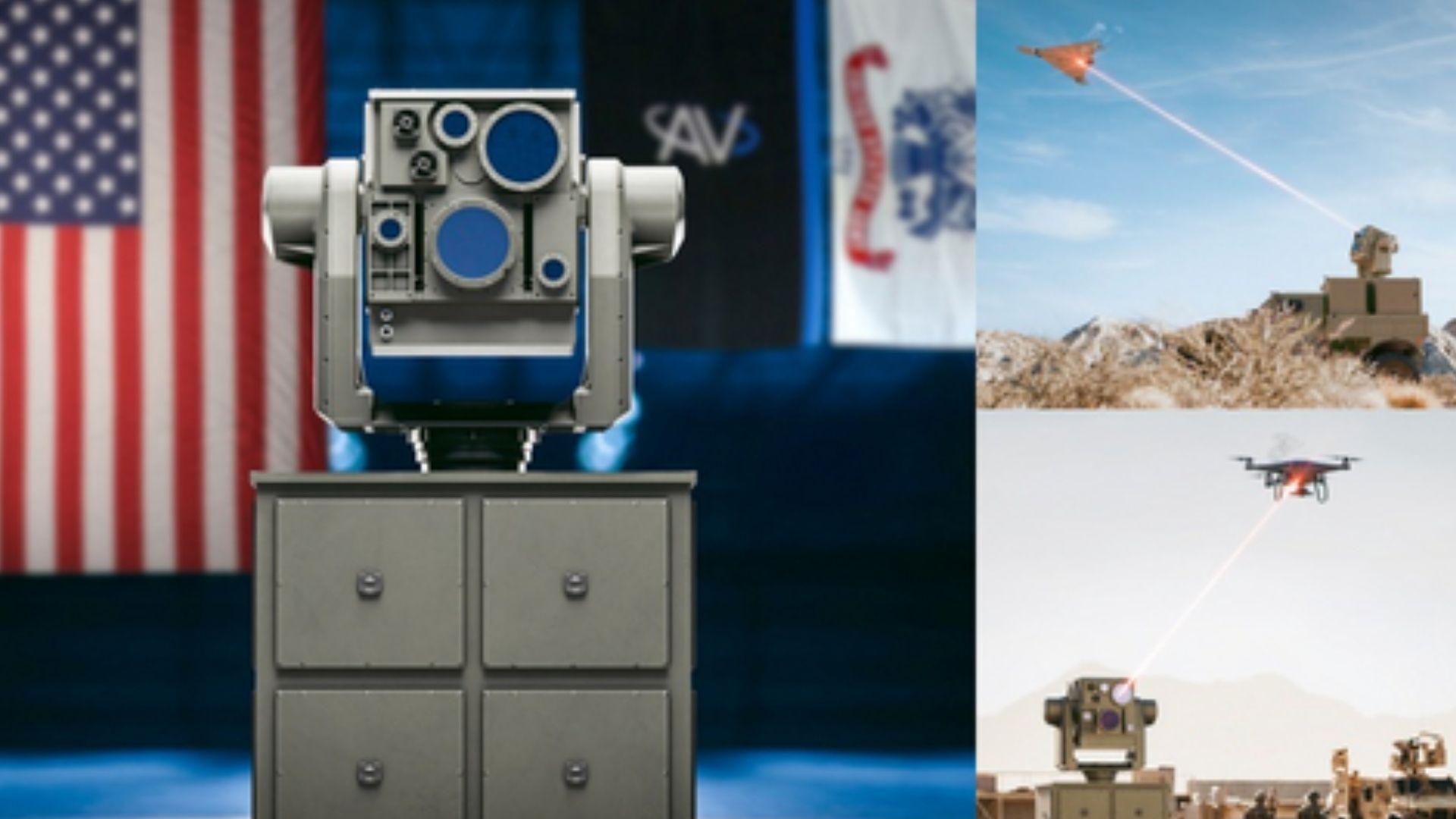
The U.S. Army is moving laser weapons toward large-scale deployment, awarding AeroVironment a $464.8 million contract to produce its LOCUST laser systems for counter-drone missions. The contract is for the Army’s Enduring-High Energy Laser (E-HEL) program and will see AeroVironment deliver dozens of LOCUST X3 systems over the next few years. The company describes the award as the first production contract for a directed-energy weapon in U.S. history, marking a shift from experimental laser systems toward an enduring battlefield capability. 30-kW laser will target swarms of drones The LOCUST X3 is a 30-kilowatt, platform-agnostic laser weapon designed to counter Group 1–3 unmanned aircraft systems. AeroVironment says the system can be integrated onto platforms including the Army’s Joint Light Tactical Vehicle (JLTV), while palletized configurations are also being considered. The company is also evaluating integration with the Infantry Squad Vehicle (ISV). Unlike conventional missiles, a laser weapon does not need to carry an explosive warhead to destroy a target. Instead, it concentrates directed energy onto an object until sufficient damage is inflicted. This can potentially give operators a deep magazine, provided the system has access to electrical power and can maintain the laser on its target. That makes directed energy particularly attractive for countering drones, where forces can face large numbers of relatively inexpensive threats. Using a high-cost interceptor against every low-cost drone can quickly become unsustainable. The E-HEL program builds on the Army’s earlier Multi-Purpose High Energy Laser (AMP-HEL) prototypes. AeroVironment says LOCUST has also undergone counter-drone testing at White Sands Missile Range, demonstrating the system in U.S. airspace. From prototype to production The scale of the new award is significant because it moves the technology beyond the demonstration phase. Under the Other Transaction Agreement, AeroVironment will provide the Army with production systems, along with training and ongoing support. The company says the program is intended to provide a scalable and cost-effective layer of air defense against unmanned aircraft. AeroVironment is also preparing to expand its production capacity. The company announced a $30 million investment in its Albuquerque, New Mexico, facility earlier in 2026 to support the ramp-up. The Army’s move comes as drones have become increasingly important on modern battlefields, both as surveillance platforms and as weapons. Their low cost, availability, and ability to operate in large numbers have created demand for defensive systems that can engage multiple threats without exhausting expensive interceptors. Lasers offer one potential answer, although their effectiveness can be affected by factors such as weather, atmospheric conditions, line of sight, and the amount of time required to dwell on a target. AeroVironment’s new contract does not mean laser weapons are replacing conventional air-defense systems. Instead, E-HEL is intended to add another layer to the Army’s defenses, particularly against drone threats. The company says the multi-year award will establish a foundation for sustained production and fielding of directed-energy weapons. If the program delivers as planned, the Army’s transition from high-energy laser prototypes to dozens of operational systems could represent one of the clearest signs yet that laser weapons are moving from battlefield demonstrations toward routine military service. Get the latest in engineering, tech, space & science - delivered daily to your inbox.Kaif Shaikh is a journalist and writer passionate about turning complex information into clear, impactful stories. His writing covers technology, sustainability, geopolitics, and occasionally fiction. A graduate in Journalism and Mass Communication, his work has appeared in the Times of India and beyond. After a near-fatal experience, Kaif began seeing both stories and silences differently. Outside work, he juggles far too many projects and passions, but always makes time to read, reflect, and hold onto the thread of wonder.
US Army to procure 30-kW counter-drone high energy laser weapon systems
Full Article
Original Source
Read the full article at Interestingengineering →KhanList aggregates and links to publicly available news content. We do not host full articles from third-party sources. Always verify important information with original sources.