
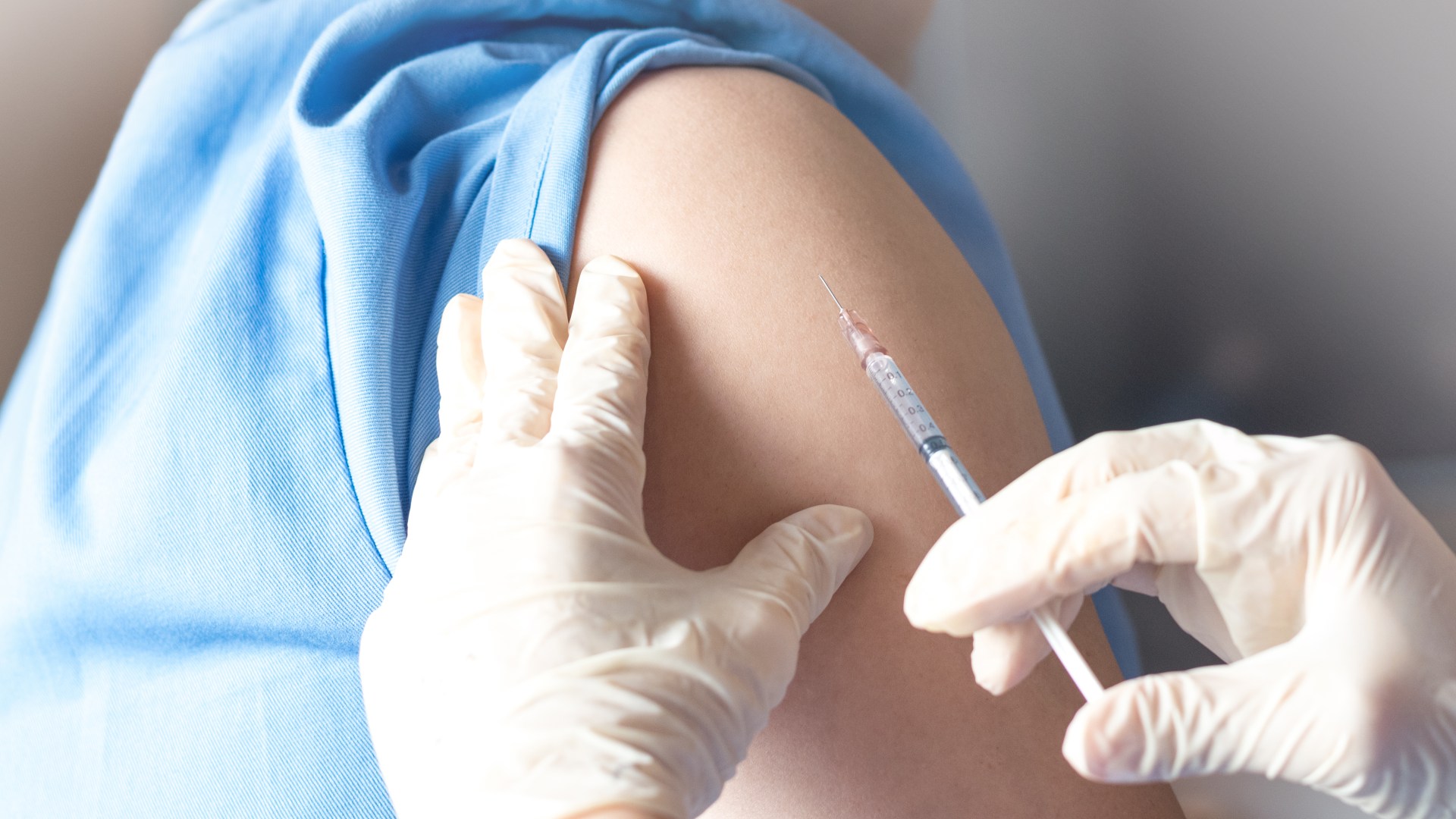
A WOMAN died from a life-threatening allergic reaction after she was given a steroid injection at her GP surgery, an inquest has found. June Turner, from north London, attended the clinic on September 12, 2025 and had the jab administered into her shoulder at 11.42am. Tragically June died in hospital 16 days after the incident (stock picture) Credit: Getty June Turner, from north London, attended the clinic on September 12, 2025 Credit: Nickbeer But, exactly ten minutes later, the 77-year-old returned, concerned that she was feeling short of breath. While she was attended to by a doctor after four minutes, at 11.57am, just one minute later, she suffered a peri-arrest – the critical window of time immediately before a full cardiac arrest. Sign up for the Health newsletter Thank you! An ambulance was called, however, tragically June died in hospital 16 days later. Coroner Mary Hassell concluded that June died of hypoxic encephalopathy, anaphylaxis and an injection allergy. Hypoxic encephalopathy is a type of brain dysfunction that occurs when the brain does not receive enough oxygen or blood flow Allergies can provoke a variety of symptoms but the most serious is a dangerous inflammation of the airways called anaphylaxis. This can make it hard and even impossible to breath and can cause the body to go into a cardiac emergency like a cardiac arrest due to a lack of oxygen. But, while the NHS warns that steroid injections carry a “rare” risk of complications, including anaphylaxis that “generally occurs in the first 30 minutes after the injection”, it is not mandatory that all steroid injection products carry this warning. Most read in Health Ms Hassell concluded: “My understanding is that there is Department of Health guidance regarding the risk of severe life threatening reactions after immunisation, but no guidance regarding the risk following steroid injections. “This seems an omission.” In a Prevention of Future Death Report, sent to the Government’s Department of Health and Social Care and Resuscitation Council UK, she added: “In my opinion unless action is taken to address the concerns then there is a significant risk of future deaths and I believe that you have the power to take such action.” Research suggests that anaphylaxis may occur in under one per cent of all patients receiving steroid injections. It requires immediate medical attention. Responding to the report, the Department of Health and Social Care (DHSC) said it offered their “sincere condolences” to June’s family and loved ones adding that “the circumstances your report describes are concerning” and I am grateful to you for bringing these matters to my attention.” The Government department said the UK’s drugs regulator the Medicines and Healthcare products Regulatory Agency (MHRA) would now ensure anaphylaxis warnings are listed on all steroid injections. “Currently, most steroid products in the UK contain a warning within the Summary of Product Characteristics regarding the adverse drug reaction of anaphylaxis,” the DHSC said. “These warnings are mirrored in most patient information leaflets of steroid products. “Nevertheless, the MHRA plan to begin formally reviewing the product information for all steroid injection licenses by the end of this year, to ensure that the ADRs and warnings listed for anaphylaxis are appropriately present and consistent in terminology. “The MHRA takes reports from healthcare professionals, patients and stakeholders seriously. “The MHRA will continue to monitor for any adverse trends concerning this matter and will respond in a risk proportionate manner if any further issues come to our attention. “We recognise that allergies can be serious, and in some cases, life-threatening.” The Resuscitation Council UK also added: “We agree that the prevention of future deaths requires careful consideration of whether patients undergoing such injections should be given consistent advice about the risk of severe allergic reactions and the period of observation after injection.” Experts estimate that 20 to 30 Brits die from anaphylaxis each year, with 20,000 to 25,000 people hospitalised for allergies and anaphylaxis. One 2021 British study found that hospital admissions for anaphylaxis increased three-fold between 1998 and 2018. Symptoms of anaphylaxis - and what to do if you have it The symptoms of anaphylaxis can happen very quickly. They usually start within minutes of coming into contact with something you’re allergic to, such as a food, medicine or insect bite. You should call 999 if: Your lips, mouth, throat or tongue suddenly become swollen You’re breathing very fast or struggling to breathe (you may become very wheezy or feel like you’re choking or gasping for air) Your throat feels tight or you’re struggling to swallow Your skin, tongue or lips turn blue, grey or pale (if you have black or brown skin, this may be easier to see on the palms of your hands or soles of your feet) You suddenly become very confused, drowsy or dizzy Someone faints and cannot be woken up A child is limp, floppy or not responding like they normally do (their head may fall to the side, backwards or forwards, or they may find it difficult to lift their head or focus on your face) What to do if you have anaphylaxis Follow these steps if you think you or someone you’re with is having an anaphylactic reaction… Use an adrenaline auto-injector (such as an EpiPen) if you have one – instructions are included on the side of the injector. Call 999 for an ambulance and say that you think you’re having an anaphylactic reaction. Lie down – you can raise your legs, and if you’re struggling to breathe, raise your shoulders or sit up slowly (if you’re pregnant, lie on your left side). If you have been stung by an insect, try to remove the sting if it’s still in the skin. If your symptoms have not improved after 5 minutes, use a 2nd adrenaline auto-injector. Do not stand or walk at any time, even if you feel better. Source: NHS Comment now
Urgent steroid warning over life-threatening side effect as woman dies after visiting GP surgery
Full Article
Original Source
Read the full article at Thesun →KhanList aggregates and links to publicly available news content. We do not host full articles from third-party sources. Always verify important information with original sources.