
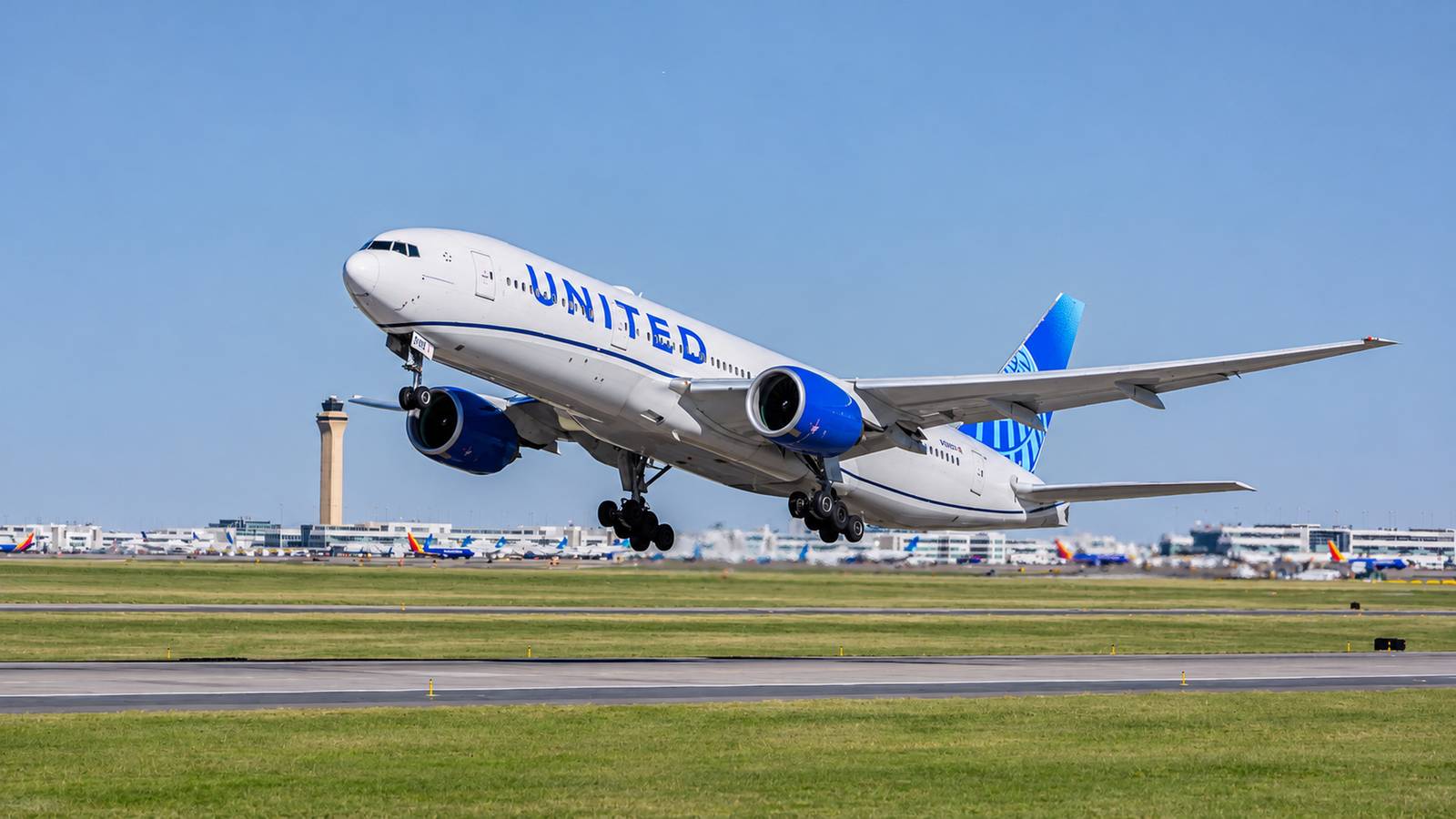
Published Nov 13, 2026, 11:17 AM EST Paul has had a career of 25+ years focused on the international technology sector, which has taken him to over 100 countries. Along the way, he developed a deep love for aviation, with a travel bucket list measured by aircraft types flown rather than destinations reached. Now he brings that avgeek passion, along with the journalism experience he accumulated early in his career, to write insightful pieces for Simple Flying. United Airlines has reached a major milestone in its deployment of next-generation in-flight connectivity, with Starlink now available on more than half of its daily flights. The carrier's November 12 announcement confirms that it is making rapid progress toward equipping its entire fleet with SpaceX's low-Earth-orbit satellite technology by the end of 2027. The development strengthens United's competitive position as American Airlines and Southwest Airlines pursue their own Starlink installations. Meanwhile, Delta Air Lines has taken a different approach, selecting Amazon Leo for an initial 500 aircraft, with installations beginning in 2028. That decision will likely leave Delta trailing its rivals in deploying next-generation satellite connectivity. United's Starlink Rollout Passes The Halfway Mark Credit: Denver International Airport United's first Starlink-equipped passenger flight took place in May 2025, using a United Express Embraer E175. Mainline installations followed, with the first Starlink-equipped Boeing 737-800 entering commercial service in October last year. Just 18 months after its regional debut, United's official installation tracker shows 694 equipped aircraft, representing 46% of its fleet but 52% of daily flights. The difference reflects the relatively high number of daily flights operated by regional aircraft. Aircraft Type Starlink Equipped Fleet Coverage CRJ-550 100 / 100 100% Embraer E175 252 / 252 100% Airbus A319 0 / 72 0% Airbus A320 0 / 62 0% Boeing 737 204 / 328 62% Boeing 737 MAX 62 / 313 20% Airbus A321 69 / 78 88% Boeing 757 0 / 61 0% Boeing 767 0 / 53 0% Boeing 777 5 / 96 5% Boeing 787 2 / 100 2% Source: United Starlink Tracker, November 12, 2026. Aircraft grouped by family. Regional installations are complete across the two aircraft types tracked, while the Airbus A321 fleet is approaching 90% coverage. However, United's long-haul fleet remains largely untouched, with just seven Boeing 777s and 787s equipped and no Boeing 767 installations completed. This leaves substantial work ahead before international passengers can expect the same availability as those traveling on regional and domestic services. United expects Starlink to cover nearly 64% of daily flights by the end of 2026, rising to 87% by June 1, 2027, before fleetwide completion is expected by year-end. The carrier has been installing equipment on approximately 20 aircraft weekly, with its latest milestone reinforcing confidence in the schedule. In its October earnings announcement, CEO Scott Kirby described Starlink's commercial importance: "We are winning new long-term, brand-loyal United customers because they are trying us for Starlink but staying with us for the industry-leading app, great service, on-board product and technology." United Uses Starlink To Gain A Competitive Edge Credit: Denver International Airport United's deployment places it comfortably ahead of American Airlines and Southwest Airlines, although both competitors are also accelerating their plans. American intends to equip more than 1,000 mainline aircraft, beginning in early 2027. Southwest began operating Starlink-equipped aircraft back in June, and reported 47 installations by October, targeting fleetwide completion by fall 2027. That ambitious deadline could see Southwest finish ahead of United, despite its much later start. Starlink availability currently varies significantly across United's seven hubs. Chicago leads with 70% of departures offering Starlink, followed by Denver at 63%, while San Francisco trails at 39%. Differences in aircraft deployment, particularly the balance between regional jets, narrowbodies and widebodies, help explain that variation. United's tracker allows customers to check individual flights up to three days before departure, turning installation progress into a visible selling point. United Hub Daily Flights With Starlink Chicago O'Hare 70% Denver 63% Houston Intercontinental 51% Los Angeles 50% Newark 48% Washington Dulles 44% San Francisco 39% United is also actively using Starlink to attract frequent flyers from competing carriers. Its October 'Switch to Better' Wi-Fi campaign targeted eligible Delta SkyMiles and American AAdvantage members with Premier status-match opportunities. Applications increased 275% compared with pre-campaign levels, with particularly strong participation from New York, Los Angeles and San Francisco. The campaign demonstrates how United is attempting to convert its technological head start into lasting customer loyalty. Delta Bets On Amazon Leo As United Pulls Ahead Credit: Ryken Papy | Shutterstock Delta is taking a different route. It announced a partnership with Amazon Leo back in March, choosing Amazon's emerging satellite network rather than SpaceX's established Starlink system. The agreement builds on Delta's relationship with Amazon Web Services, and promises closer integration between satellite connectivity, Delta Sync, and personalized in-flight entertainment. Metric United Delta Satellite provider SpaceX Starlink Amazon Leo Rollout start May 2025 2028 (planned) Initial scope Fleetwide 500 aircraft Technology Low Earth orbit Low Earth orbit Aircraft equipped 694 Completion target End of 2027 Not announced Both providers promise high-speed, low-latency connectivity, but their satellite networks are at very different stages of development. Amazon's satellite constellation remains considerably smaller than SpaceX's, with approximately 400 satellites launched as of early November, compared with more than 11,100 Starlink satellites in orbit. Amazon's ability to expand coverage will therefore be crucial. Delta is betting on Leo because its integration with Amazon Web Services offers the potential to deliver a far more personalized, digitally connected in-flight experience that goes beyond simply providing faster Wi-Fi. But the risk is that it will have to wait until after United's fleetwide rollout is complete before beginning its own next-generation installations. Delta's challenge will therefore be translating that digital potential into widespread onboard availability before United's Starlink advantage becomes an established customer expectation.
United’s Free Starlink WiFi Now On Over 50% Of Daily Flights As Delta Bets On Amazon Leo
Full Article
Original Source
Read the full article at Simpleflying →KhanList aggregates and links to publicly available news content. We do not host full articles from third-party sources. Always verify important information with original sources.