
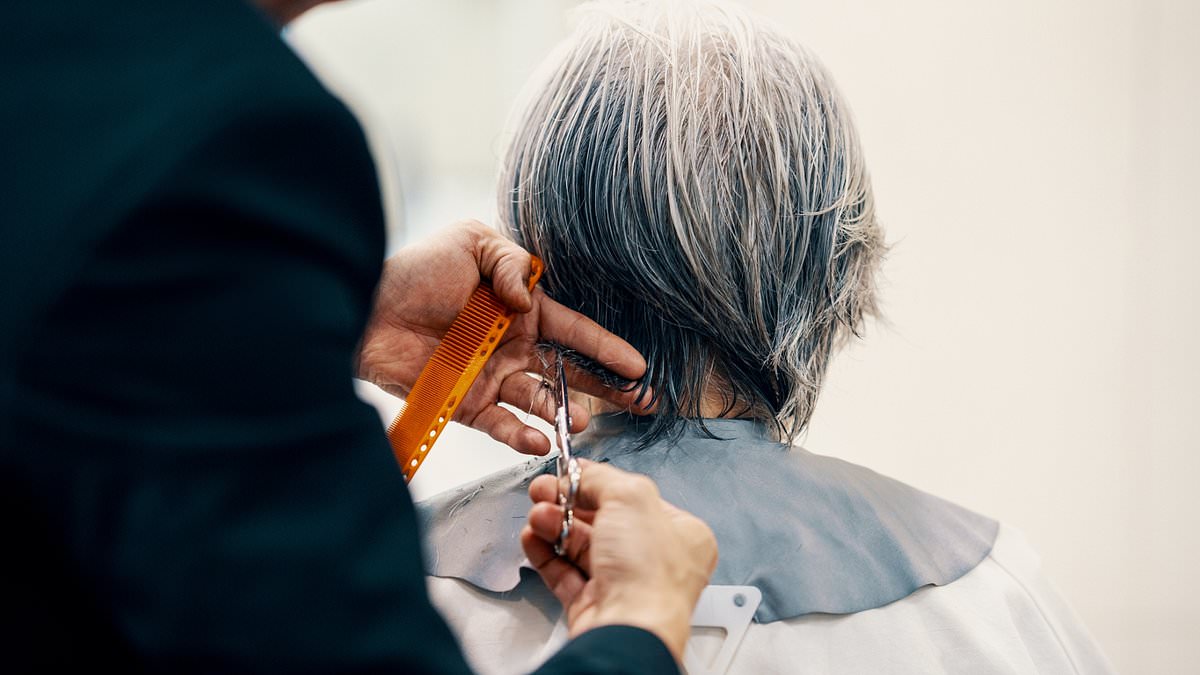
Covering grey hair can feel like a full time job. Sarah Jessica Parker summed up the struggle in Allure magazine, explaining she'd embraced the grey because ‘I can’t spend time getting base colour every two weeks. Can’t do it. Nope. Too much.’On average, people start spotting the odd grey hair during their thirties. When these multiply, you're faced with a choice: either go for it and welcome in the grey, or start covering it up - a timely and expensive business. If you’re looking to make the transition to grey (or 'grey blending' as its referred to by the experts), you’re in luck. We asked celebrity hairdresser Sarah Bower, an expert in grey blending, for her guidance on going grey.Rather than stripping hair, Sarah prioritises working with her clients’ natural growth and colour, keeping changes to a minimum and creating a lower maintenance hair colour.She explains, ‘Rather than doing an all-over permanent hair colour, you’re working with highlighting, lowlighting and possibly leaving sections are really white and that you don’t want to colour.’1. Allowing time for regrowth is essentialWhile the instinct for many is to rush to your hairdresser at the first sight of roots, Sarah advises allowing a 10 to 12 week regrowth period before committing to grey.‘A 10-12 week regrowth area is what’s required; you need to have a clear idea of what you’re blending and the route to take.’She explains, ‘I’ve had a lot of people who aren’t actually as grey as they thought they were. It can determine what you’re doing going forward and how we approach it.’ Sarah says allowing between 10 to 12 weeks for regrowth is required.Sarah says that it’s important for her clients to know their natural shade of grey or white before committing to the full looks. It helps to determine their next steps, with clients often realising that they’re not as grey/white as they thought they were.2. Be realisticSarah says it’s important to be realistic when consulting clients on going grey.‘There’s quite a lot of unrealistic stuff on Instagram and TikTok. I like to keep people truer to their natural hair colour rather than doing massive colour transformations.’This is another reason why grey blending expert Sarah says that allowing time for regrowth is essential. 3. Going white isn’t the choice for everyoneIn a similar vein, while a lot of people want to go white, the reality for a lot of women might actually be going grey, according to Sarah.‘People often bring in pictures of women that have no colour on their hair - but this doesn't happen naturally for everyone's hair as they age,' she says.Managing these expectations, and explaining to women why grey is actually better suited to them, is a big part of Sarah's job. Going grey, rather than white, is the reality for a lot of women when embracing their natural colour.4. Going grey doesn’t have to do with old ageGoing grey isn’t reserved for the pensioners, in fact some of Sarah's clients wanting to go grey are as young as their thirties.She says, ‘A lot of the time it isn’t necessarily down to age, it’s people that have had enough with colouring their hair and lots of women want a lower maintenance hair colour.’5. Going lighter isn’t always betterOne mistake women often make is relying too heavily on highlights. Instead, Sarah works with her client’s natural hair growth pattern to achieve a lower maintenance colour rather than just just using generic highlights.According to Sarah, ‘Lowlighting means putting darker, grey tones back into the hair often for people who come in with overprocessed bleached hair.'She says, 'A lot of people want to stay darker and look grey, not just with loads of bleach highlights.'
Tired of touching up your roots? Celebrity hairdresser reveals the five steps to seamlessly 'grey blend' - and why you shouldn't rush to dye over your natural growth
Full Article
Original Source
Read the full article at Dailymail →KhanList aggregates and links to publicly available news content. We do not host full articles from third-party sources. Always verify important information with original sources.