
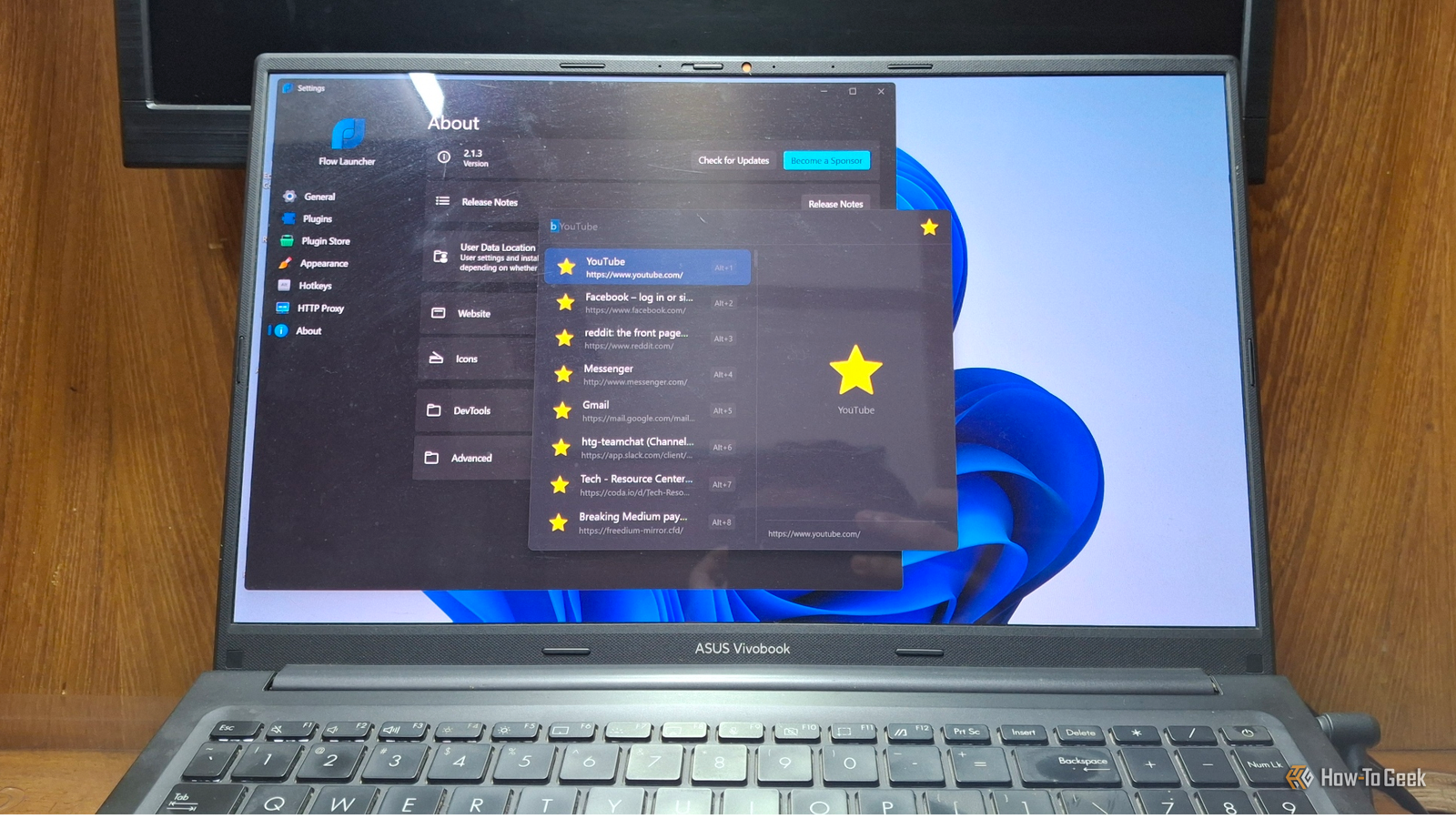
Published Sep 13, 2026, 8:00 PM EDT Zunaid Ali first became interested in technology after using a computer for the first time in 2006. He's been producing how-to content since 2018, reaching thousands of people in the process. As a kid, Zunaid used to read tech tutorials and troubleshooting guides on popular blogs. That made him want to start his own writing career. After the coronavirus pandemic, he finally decided to jump into the tech writing world. Before joining How-To Geek, he had written for HecticGeek, Distroid, and UbuntuPIT, among others. Zunaid first tried Linux when he wanted to learn Web Development in 2021. Due to his inexperience, he messed up his laptop trying to dual-boot Ubuntu with Windows. Frustrated, he went all-in with Linux and removed Windows completely. And that's when he fell in love with it. He's been actively experimenting with Linux since then. After finding his first writing gig on Linux in April 2022, he decided to specialize in it so he could share his knowledge and insights with fellow open-source enthusiasts. He joined How-To Geek in September 2023 and has been writing as a freelance contributor since then. Zunaid is currently pursuing his Bachelor's degree in Information & Communication Technology. When he's not writing, he's reading tech blogs, coding fun projects, or learning about new technologies. Other than Linux, he also has an interest in Android Development and Cybersecurity. He has experience in C/C++, Java, HTML/CSS/JavaScript, and Python. You can find some of his hobby projects on his GitHub. After years of complaints about how little you could customize the Windows Start menu, Microsoft is finally overhauling it in the 26H2 update. In reality, though, they are only catching up to something an open-source app figured out years ago. Meet Flow Launcher, a keyboard-first app launcher that is superior to the current Start menu from all directions. Trying Flow Launcher for the first time The productivity boost felt like cheating To test this praised tool out myself, I went straight to the official Flow Launcher website to grab a copy. There were multiple download options, including a portable version, an EXE file, and also through package managers such as WinGet. I went for the portable version for a quick setup. Though that meant I had to create a shortcut myself. The setup process was intuitive, as the onboarding pages took you through some of the essential things you should know about the launcher, including shortcut keys, hotkeys, and explaining action keywords. On first launch, I'm welcomed by a search bar, followed by a list of commands. The UI looked nice and blended well with Windows 11. I also noticed a clicky sound every time I opened it with Alt+Space. The most common functionality for the launcher is searching, especially searching for and launching apps. I like to pin apps I use often to my Taskbar and the Start menu. However, that means I have to use the mouse to click the app to open it. With Flow Launcher, I only had to start typing its name and hit Enter. But that's not all. Searching for an app is blazing fast. By the time you finish typing the name halfway, the result is already there. It's not just apps, though. You can also search for files and open them in the default file opener. This is much more useful as I don't have to remember where I kept that one pesky file or use Windows File Explorer's slow search. As long as I remember the name, that's enough. If Windows search drives you crazy, this could be a lifesaver. Flow Launcher itself is highly customizable You'll get lost playing around its settings Talking about customizing the customizer. You can tweak General and Appearance settings. Let's explore both. The General settings tab contains the settings that shape the behavior and functionality of the launcher. For example, whether or not you want to start Flow Launcher on system startup, hide its tray icon, whether it should be on top of other windows, and more. One setting I liked a lot is Always Preview. It opens a new panel on the side that shows the icon of the searched app and some details. Not only does it enhance the overall look of the app, but it's also helpful when you need some quick details about the app or file. The Appearance tab is all about the look and feel. There are almost 20 themes to choose from. Mine was set to Windows 11 by default, which explains why it looked like a native app. I went with the Rider theme, which looked more polished to me. Other things you can customize are animation, sound effects, icons, badges, window size, and the color scheme, among others. If you turned on Always Preview, some of the results may not take effect since the preview panel takes up some space in the full launcher window. You can also adjust the clock and date here. I found that turning on both squishes them together, with no space in between. So I turned off the date. The plugin ecosystem is where it really pulls ahead Turning a launcher into a control center In the settings, you'll find a Plugins and a Plugin Store section. The Plugins section contains plugins you've already installed in Flow Launcher. The store has more you can try. And this is really where things turn more interesting as you keep extending what the launcher can do. In the Plugins section, you can turn a plugin on or off. Each plugin also has a dropdown menu that contains some settings regarding it. For example, the Browser Bookmarks plugin lets you choose the browser(s) you want to load from. Each plugin lets you set an action keyword for it. The Plugin Store was quite amusing to explore. There is an ocean of plugins to be installed in a wide range of categories, from productivity and study to gaming and development. You can search, update, and install plugins. You can also choose a plugin from your local path. Installing a plugin is also straightforward. You click on the plugin and click Install. Once installed, you'll need to restart Flow Launcher to use it. Some of the plugins I found useful are Speed Test, File Folder Opener, Google Translate, and some of the math plugins. One thing I wish is that each plugin had a dedicated page where I could check the details of the plugins. You can see them by clicking a link that opens the GitHub page of the plugin. However, having a page inside the Plugin Store would be much more intuitive. Microsoft still has some catching up to do While PowerToys Run and Command Palette have quite similar functions and capabilities, the Start menu still feels left behind. Moreover, Flow Launcher has an upper hand over the PowerToys tools if you love customization and you want to become a power user.
This open-source Windows launcher does what Microsoft’s new Start menu should have done
Full Article
Original Source
Read the full article at Howtogeek →KhanList aggregates and links to publicly available news content. We do not host full articles from third-party sources. Always verify important information with original sources.