
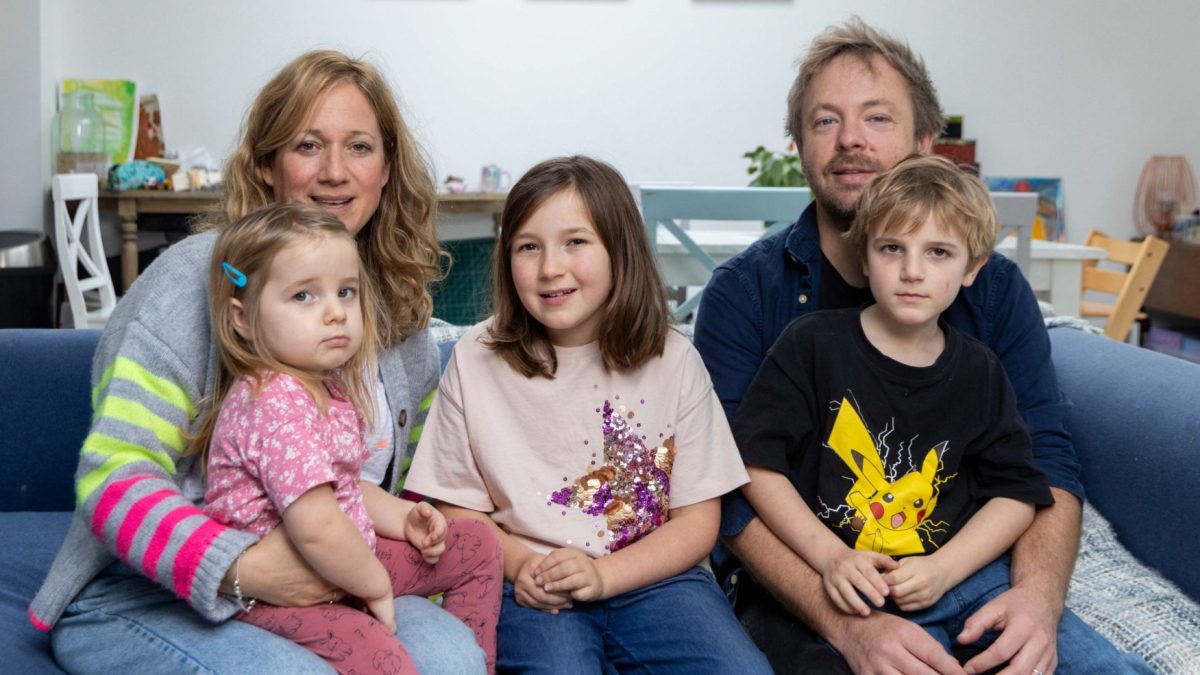
September is swinging into focus and school’s firmly on my mind. For the past week, my seven-year-old son has groaned, “Oh no! School today” each morning, while my youngest – who is impatiently waiting to go to pre-school – is dismayed when I tell her she’s got to wait a few more days. Meanwhile, my eldest is doing her very best to pretend summer will last for ever and the only thing I’ve mentioned to her is a new pencil case. To help give them and the 10.6 million children moving up a year (Scottish readers: we know you’ve probably perfected your school routine by now) a soft landing when the school gates open, I’ve asked headteachers, Special Educational Needs teachers, doctors, psychotherapists and psychologists for their tips on helping children ease into the new academic year. Shorts Here’s what they had to say: Capture holiday highs Class teacher and personal development primary school lead, Rachael Dawson, recommends making a gratitude list as a family. “Talk about highlights together, from making a cake and playing in the park to going on holiday or watching the eclipse,” she says. Don’t panic about learning loss, but do read every day Students on average experience a one-month decline in academic progress over summer. Dawson suggests this week primary students “do a little times tables practise” and check out BBC Bitesize. “Start reading each day with your children if it’s slipped,” she recommends. “And if screen time has increased over the holiday, start cutting down now.” Primary headteacher Angi Gibson and president of the National Association of Headteachers, says schools are there to meet children where they are. “I wouldn’t want parents feeling they need to recreate school at home. Reading together, talking, playing games, getting outdoors all provide valuable learning opportunities,” she believes. I’ve been leaving Harry Potter spell books on my eldest daughter’s bed and Pokémon books to try to tempt my son over the past couple of weeks, so they’ll “stumble” upon them. Subtle. I also always remember Jacob Mitchell’s – otherwise known as MCGrammar – tip: “Let your children catch you reading.” Have a uniform fashion show Advisory SEN teacher Anna Young* says: “For children who’ve been in Crocs all summer, it’s a big adjustment to shoes, shirts and ties.” She recommends washing uniform a few times so clothing isn’t stiff and trying it on this week. “Make it fun with a catwalk and fashion show – and don’t rush to get them changed. If children can’t manage in expected uniform you can request adjustments.” Restart sleep routines and healthier meals Move bedtime and wake-up time towards term time routine now, starting with 15 minutes each day, secondary school assistant headteacher Lynn Provoost recommends. “Avoid playing on phones, tablets or gaming devices becoming part of the bedtime routine,” she suggests. Nutritious food helps learning, Provoost says, especially breakfast – so get your child involved in planning and preparing meals. She warns against high-sugar snacks and energy drinks in the mornings, which some students buy on their way to school. “Try getting your child involved in planning and preparing meals at home,” she suggests. Dr Amir Khan, who is working with vegan food brand Beyond Meat on their September Reset programme, says adding food is better than taking away. “Instead of banning foods, add another vegetable at dinner, fruit at breakfast, beans or pulses, or introduce more plant-based meals.” Show them how to do things themselves Focus on independence over academia, Jess Martin, co-founder of The Nanny Academy, says. “It helps children feel capable. Don’t worry if they can’t do everything perfectly. It’s about giving opportunities to practise.” Gibson adds: “Encourage children to have a go at dressing themselves, using the toilet independently, washing their hands and opening their own lunchboxes, drinks and snacks. Developing turn-taking, sharing, listening and being able to ask an adult for help are equally valuable.” Off to secondary school? Look into clubs and after-school fun “I’ve had to persuade a parent not to take their child in whilst holding hands for the first day of secondary before,” Young tells me. Instead, practise the journey this week, whether walking, cycling or by bus, so they arrive independently. “It’s a big change but exciting. Secondary school can be the making of lots of kids, with more opportunities,” she adds. Provoost recommends getting involved in school life beyond the classroom. “Enrichment activities provide opportunities to discover new interests, develop confidence, meet people outside their usual friendship group and, most importantly, develop a sense of belonging.” Leave a note in their lunchbox or pocket Many children worry about returning to school, whether friendships or routines, says psychologist Dr Martha Deiros Collado, who is working with the Department for Education on back-to-school tips. “Acknowledge their feelings and show confidence they can cope,” she recommends.” For example, if a child is feeling concerned about being away from you, she suggests that instead of saying, ‘Don’t be sad, you’ll be fine!’ try: ‘I can see this feels hard right now. It’s okay to feel sad when we say goodbye. I’ll be thinking about you today and I’ll be back to pick you up after school.’ Gibson says nerves are natural for new starters. “Children need the opportunity to talk about how they are feeling and to know it’s okay to feel excited, worried, nervous – or a mixture!” she believes. For most children, it’s more helpful to focus on positives than potential worries, Young suggests. “Ask: ‘What are you excited about in Year 5? What are you looking forward to learning?’” She says a tiny “transition object”, whether it’s a favourite painted pebble in a pocket or a note in a lunchbox, can be helpful. See friends before they go back If you can, meet up with school friends this week. “A trip to the park, a walk, a football game or afternoon together can help rebuild relationships and make school feel much less daunting,” Provoost says. Tips for first days back: don’t ask too many questions I want to know about my children’s days the second they leave school, but Young cautions: “Don’t interrogate. Some kids find it really hard to be asked a string of questions.” Collado suggests that if you want to hear about your child’s day, start talking about your own. “Think of something you enjoyed, something you found hard and something that reminded you of them while you were apart,” she recommends. “Talking is likely to make your child find things to share with you too.” Create a soft landing at home “Whether’s it’s milk and cookies or toast, I find something food related and comforting is often a huge help to arrive home to, however old your children,” Young says. Collado agrees. “Focus on comfort, such as offering favourite simple meals or reading an extra story at bedtime,” she says. “Think of what your child will miss most about the holidays and try to sprinkle some across your week, or weekend, so if they have loved bike rides, protect time for this.” Don’t overschedule the first week Louenna Hood, co-founder of The Nanny Academy, says: “New routines can be exhausting. Where possible, keep after school plans fairly quiet at the beginning and allow time for connection, free play and an early bedtime. It’s also very normal for children to hold everything together at school and then become emotional or dysregulated once safely back at home.” Phone-free zones Schools are mobile-free environments from September. “Take the advice around mobile phones and social media seriously,” Provoost recommends. “I would encourage parents to consider limiting mobile use at home, too – the whole family can do this together. Invest in a cheap analogue alarm clock so phones aren’t ever in bedrooms overnight.” Be patient – with your children and yourself “It can take kids all term to settle into a new school – don’t expect too much immediately,” Young says. Khan agrees that attempting to reset the whole family overnight is unlikely to be successful. “Small changes are far more likely to survive beyond September,” he believes. When to chat to the school If your child is struggling or continuing to feel worried or anxious after three weeks of school, it’s important to speak to their teacher, Collado recommends. “They will help make a plan to support your child in feeling safer, more comfortable, and happy to be at school,” she says. And lastly, a tip for parents – remember yourself Parents can become so focused on getting children’s bedtimes, breakfasts, school routines and activities that their own sleep, meals and movement go out of the window, Khan says. “Instead, look at what would make the whole household – including you – feel better.” Psychotherapist Anna Mathur adds: “We recognise in our children that transitions take time, so give yourself this grace too. Honour your needs, whether a conversation with a friend, a morning of annual leave to take time to breathe or giving yourself permission to feel complex mixed feelings.” *Name withheld on request
These are the mistakes parents make as kids go back to school, according to experts
Full Article
Original Source
Read the full article at Inews →KhanList aggregates and links to publicly available news content. We do not host full articles from third-party sources. Always verify important information with original sources.