
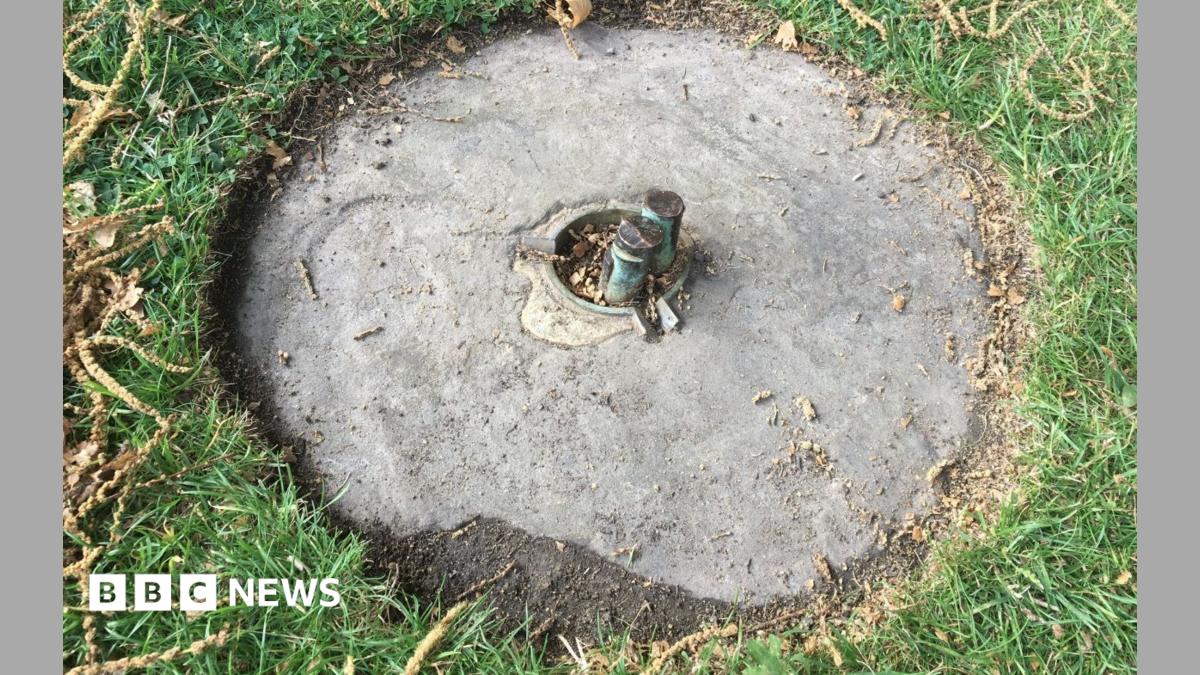
Darwin laid the stone on the ground and "would get up every morning and he would study the movement of worms and the casts that they would make", McCusker said."He studied for about 40 years of his life, in real earnest, worms", she said. "Not many other people have really studied, to that degree, worms like he had.""As a result of this new knowledge that Darwin brought to us, we now dig foundations for houses much, much deeper," McCusker explained.Scientists now recognise earthworms as "ecosystem engineers", helping to aerate soil and improve drainage, she added."They're nature's ploughs, if you like," McCusker said. "They churn up, they move soil from down to up and up to down, and they move it around."She said Darwin's "worm stone" remained a little-known secret, adding: "I love that we don't have a placard or anything that says Darwin was here."
The stone that helped Darwin study earthworms
Full Article
Original Source
Read the full article at Bbc →KhanList aggregates and links to publicly available news content. We do not host full articles from third-party sources. Always verify important information with original sources.