
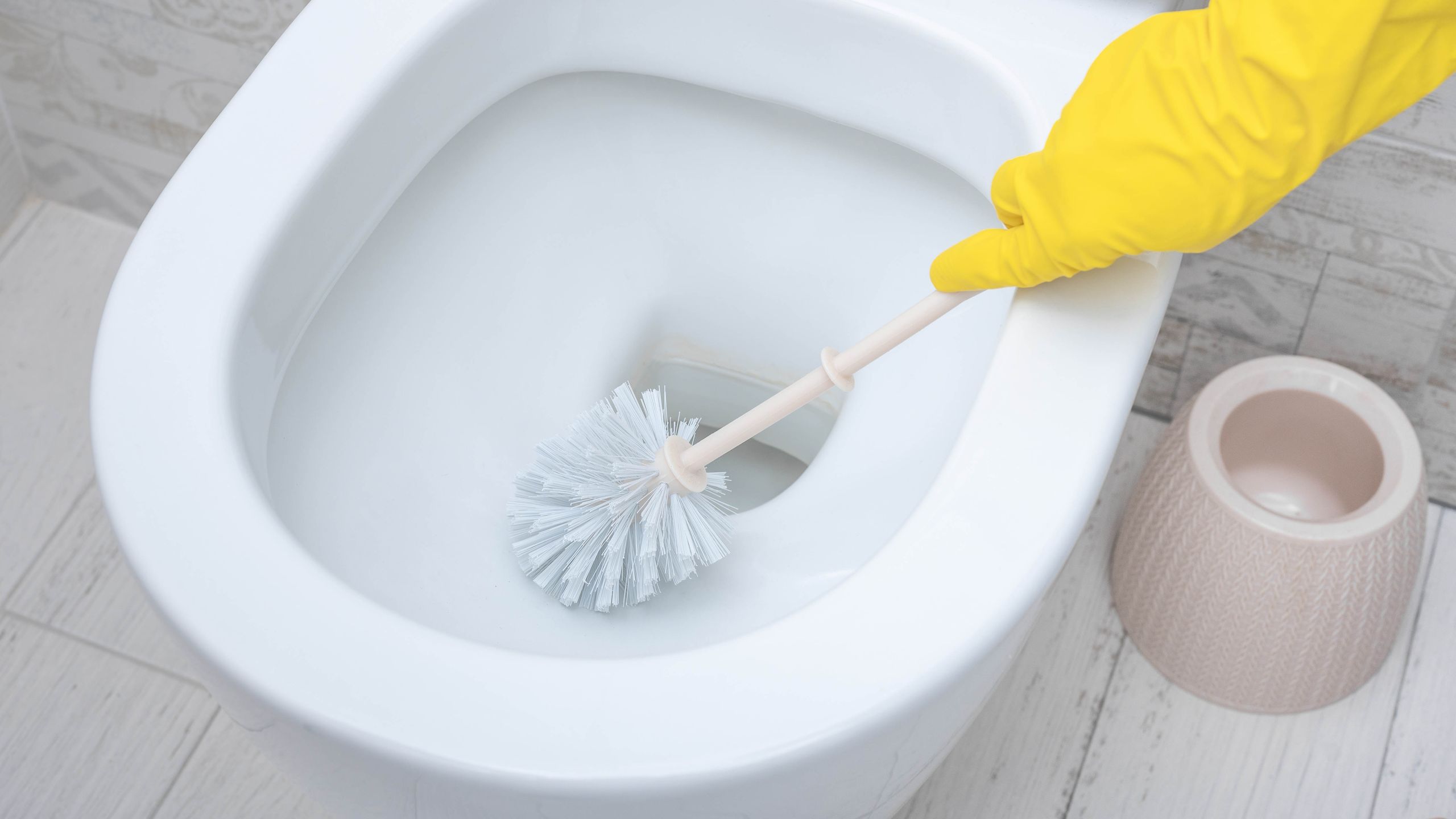
(Image credit: Shutterstock) A stubborn ring circling the waterline of a toilet bowl is one of the most frustrating fixtures in any home. You scrub it down to pristine porcelain, only for a dull, chalky, or discolored halo to creep back within days.The natural instinct is to reach for a stronger disinfectant or scrub with more muscle, yet in almost every case, a recurring ring has very little to do with surface dirt and everything to do with water chemistry, silent mechanical leaks, or microscopic glaze damage.Solving the problem permanently comes down to reading the stain, matching the chemistry, and eliminating the invisible habits that keep feeding it. Match the cleaner to the stain The color of the line reveals exactly what you are up against, and treating it with the wrong bottle simply wastes your afternoon. A chalky, rough off-white or brown band is mineral limescale, dissolved calcium and magnesium settling out of hard water as it sits. Because scale is alkaline rock, pouring bleach over it is useless as it merely lightens the stain without dissolving the bond. It takes an acidic cleaner, like citric acid, allowed to sit undisturbed for twenty minutes, to break down the minerals before a brush can lift them. Run the 15-minute silent leak test When a ring reappears within two or three days of a thorough clean, the issue is almost never your scrub brush. Your toilet is likely running in the background. A worn rubber flapper inside the tank allows a paper-thin trickle of water to seep into the bowl day and night, continually depositing fresh minerals at the waterline where they dry and calcify. You can diagnose this in fifteen minutes: drop a few squirts of food coloring into the tank and leave the handle untouched. If color bleeds into the bowl before you flush, your seal is shot, and no amount of chemical treatment will outpace that constant mineral drip. So you'll need to replace the flapper. Ditch wire brushes and drop-in tank tablets The tool you reach for matters just as much as the cleaner. Porcelain is cast with a glass-smooth vitreous glaze specifically designed to prevent dirt from gaining purchase, but attacking stubborn stains with wire bristles, coarse scouring pads, or dry pumice stones leaves microscopic grooves across that surface. Once the glaze is etched, minerals and organic film lock deep inside the scratches, transforming the bowl into a sponge for permanent discoloration. Stick strictly to stiff nylon brushes and avoid dyed drop-in tank tablets, whose heavy chemical binders and artificial blues eat away at internal rubber valves while settling into the bowl's natural contours. Follow Tom's Guide on Google News and add us as a preferred source to get our up-to-date news, analysis, and reviews in your feeds. Make sure to click the Follow button!More from Tom's Guide Hydrogen peroxide is the secret to a sparkling, odor-free bathroomI sprinkled baking soda around the base of my toilet — here's why you should too3 warning signs your home needs attention before a small fix becomes a big billGet instant access to breaking news, the hottest reviews, great deals and helpful tips. Kaycee is Tom's Guide's How-To Editor, known for tutorials that get straight to what works. She writes across phones, homes, TVs and everything in between — because life doesn't stick to categories and neither should good advice. She's spent years in content creation doing one thing really well: making complicated things click. Kaycee is also an award-winning poet and co-editor at Fox and Star Books.
The real reason your toilet keeps getting a ring (and why bleach won't fix it)
Full Article
Original Source
Read the full article at Tomsguide →KhanList aggregates and links to publicly available news content. We do not host full articles from third-party sources. Always verify important information with original sources.