
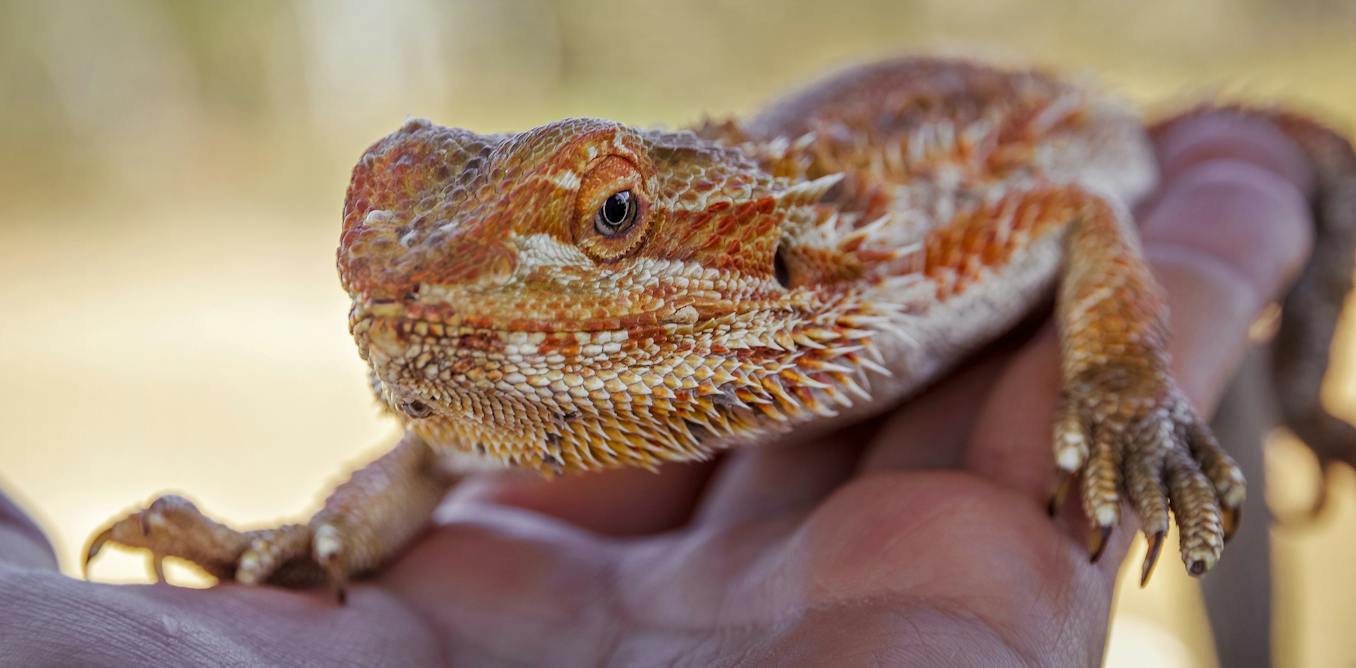
Reptiles are captivating creatures – so captivating that people keep them as pets, or wear clothes and carry handbags fashioned from their patterned skins. At first glance, these practices may appear to be a major threat to reptile conservation. Every lizard, snake, turtle or crocodile taken for the pet or skin trade means one less reptile in the wild, right? Actually, that’s far from the full story. Our new research reveals the true impact of the commercial reptile trade – and why it may not be as worrying as we think. Reptiles at risk Globally, our ecosystems are rapidly becoming less rich and diverse. This has alarming consequences for the plants and animals that call them home – including reptiles. In Australia, for instance, research shows the country’s most threatened reptiles and frogs are already disappearing, with their populations declining by 96% on average since 1985. The reasons for this are many and complex, including habitat destruction, pesticide use, natural disasters, diseases, and invasive species such as cane toads and cats. However, human-induced climate change remains the foremost threat to wildlife worldwide. What about the reptile trade? You may have seen footage of people being arrested for smuggling reptiles, or harrowing images of wild animals being stuffed into shoes. These scenes may trigger feelings of anger, disgust, sadness or even shame. Coupled with strong regulation and enforcement, these emotions are key to combating illegal “wildlife crime”. However, the vast majority of international trade in reptiles is legal and well-regulated, thanks to a series of traceability and on-the-ground monitoring systems. Read more: New data reveals how Australia’s threatened reptiles and frogs are disappearing – and what we have to do More than meets the eye Is the commercial reptile trade, both legal and illegal, actually threatening the world’s reptiles? To answer this question, we took a closer look at how reptile populations are faring. First, we examined the trade in reptiles for leather. We collated data compiled by the International Union for the Conservation of Nature (IUCN) and various government agencies and conservation organisations. The Convention on International Trade in Endangered Species of Wild Fauna and Flora (CITES) keeps a careful count of how many individual animals and skins are being traded worldwide. Those not counted on the list are governed by national quotas. A group of IUCN reptile experts led by Timothy Colston, co-author of this article, trawled through reptile skin trade data collected between 2000 and 2020. These researchers found more than 70 million reptile skins traded over that period came from fewer than 50 species – mostly crocodiles, snakes and lizards. This is only a handful of the more than 10,000 known reptile species globally. Most surprisingly, wild populations of the most heavily traded reptiles still appear to be healthy. This may be because these reptile species are ecological generalists, meaning they thrive in a range of habitats and typically have high reproductive rates. These species also benefit from sustained research and population management efforts. Read more: We discovered lethal new fungal diseases in wild Australian reptiles. It’s time to act fast What about pet reptiles? We observed similar trends in the reptile pet trade. In 2026, a team of Australian researchers assembled and analysed data on more than 340,000 live reptiles and amphibians, put up for sale by commercial traders in the United States and United Kingdom between 1989 to 2004. This period marked the heyday of hard-copy published pricelists, which were soon to be replaced by online reptile sales. The researchers found those pricelists were dominated by a handful of docile, colourful species of lizards and snakes. The most popular were the kingsnake, cornsnake and python, alongside the Australian bearded dragon and leopard gecko. These species generally mature quickly, reproduce rapidly and adjust well to captivity. These data reveal most pet reptiles are born or hatched in captivity, instead of being taken from the wild. Many pet owners prefer captive-born animals as they are less likely to be stressed or diseased. Captive breeding also produces more vividly coloured reptiles. It’s worth noting, wild reptiles and amphibians are still taken – using legal and illegal methods – for the pet trade. However, our analysis suggests these activities have little impact on the health of wild populations. The exception is the handful of species that are either restricted to small islands or have very slow rates of growth and reproduction, such as turtles. For such a species, removing even a few adult females can have a major impact on the slowly reproducing wild population. Read more: We found 1 in 6 Australian reptile species traded as pets overseas, despite the export ban Where to from here Some people oppose the trading of wild animals on ethical and animal welfare grounds. However, our analysis suggests far fewer wild reptiles are traded than are run over by cars, harvested for traditional medicines or killed by habitat destruction, invasive pests, disease or climate change. When it comes to protecting our wild reptiles, it’s tempting to direct our resources and attention to the most visible threats. For example, authorities may confiscate smuggled lizards at an airport, but arresting someone hiding a few common lizards does nothing to protect wild populations of that lizard species. Likewise, banning a sustainable skin trade may actually hamper conservation efforts by fostering illegal trade and removing incentives for locals to protect certain animals. Instead, we must shift our focus to curbing the persistent threats of global warming, invasive pests and habitat destruction. To protect our precious reptiles, we need to tackle the most urgent threats – not just those that grab our attention. Read more: Rare reptiles are moving up mountains as the world warms. They can’t keep doing it forever
The pet and skin trades pose little threat to reptile species: new research
Full Article
Original Source
Read the full article at Theconversation →KhanList aggregates and links to publicly available news content. We do not host full articles from third-party sources. Always verify important information with original sources.