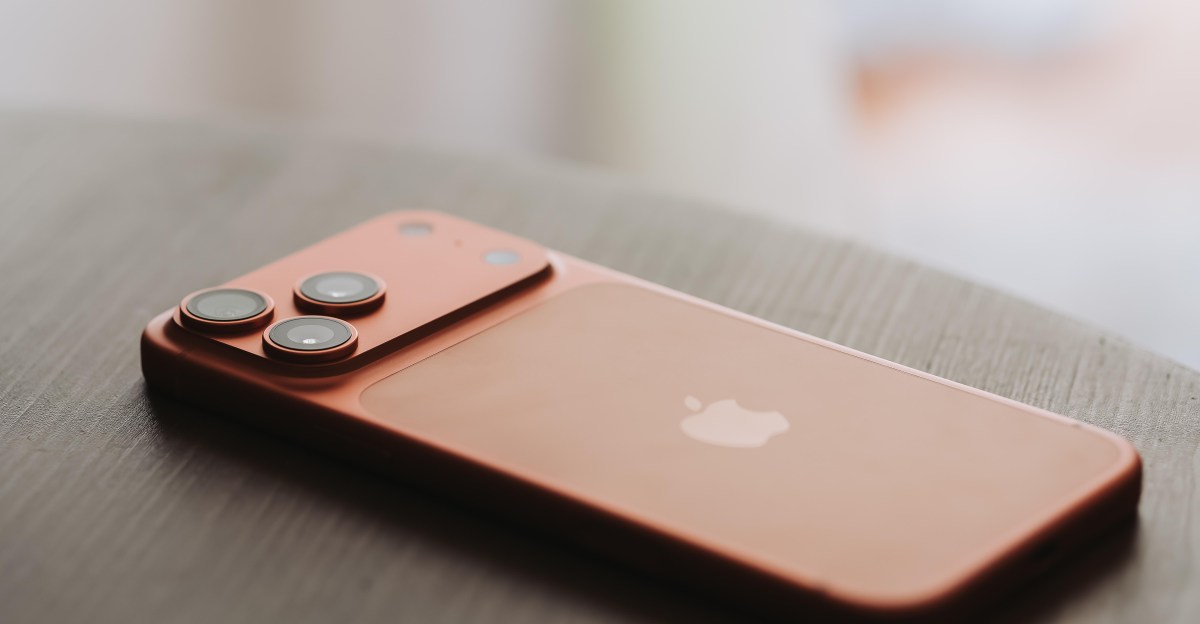
When I first heard about the new Apple Upgrade program, which lets you lease devices like iPhones and MacBooks for a monthly fee, I was offended. It amounts to paying a tithe to one of the world’s richest companies just to borrow devices for a couple years, rather than buying them outright. You could then choose to purchase the device, which is outdated at that point, or upgrade and keep paying that monthly fee. You may never own an iPhone again.Then, as my mind wandered to the stack of old phones in my closet, it occurred to me: What’s so great about owning these things to begin with?User FriendlyA weekly dispatch to make sure tech is working for you, instead of overwhelming you. From senior technology correspondent Adam Clark Estes.Apple, of course, would love to sell you a new iPhone for keeps. Its most advanced model, the iPhone 17 Pro Max, will set you back $1,200, a price that’s expected to rise soon due to the global shortage of storage and memory chips. You can sign up for an installment plan — most carriers offer these, as does Apple through its credit card — and pay it off in two to three years. Or you could lease the thing for $35 a month under the new Apple Upgrade program. You can pick a 12-, 24-, or 36-month lease, depending on the device, and you don’t get to keep the phone at the end of the term unless you decide to buy it by paying off the remainder of the retail price in one lump sum. (This is similar to the controversial rent-to-own model you find at places like Rent-a-Center.)For the financial side of the new program, Apple has partnered with none other than Klarna, the “buy now, pay later” giant. When you go to lease a new device, Klarna runs a soft credit check and decides if you’ll be able to cover the monthly payments. When I asked Klarna, the company did not tell me where it draws the line here, but it’s worth noting that critics have accused Klarna of a lack of underwriting and of lending to people with subprime credit scores. If you miss three consecutive payments, Klarna will terminate the lease agreement and possibly send a collection agency after you.“How do I know people aren’t getting a good deal here? If they were, Apple wouldn’t be offering it.”— Aaron Perzanowski, University of Michigan law professorWhile there was some speculation last week that Apple might lock people out of leased devices if they failed to pay their bill, Apple confirmed to me that it will not put limitations on device functionality due to missed payments or default. If you want to cancel the lease, you face an early termination fee. If you choose to keep paying the monthly fee, you can keep upgrading with new lease agreements for new devices every few years, existing in this cycle indefinitely.“I don’t think people are getting a good deal here,” said Aaron Perzanowski, a law professor at the University of Michigan and author of The End of Ownership: Personal Property in the Digital Economy. “How do I know people aren’t getting a good deal here? If they were, Apple wouldn’t be offering it.”Buy an iPhone? In this economy? If you’re someone who likes to get a new iPhone or MacBook on a regular basis, Apple’s new leasing option might make a lot of sense. The monthly fee to lease these devices is cheaper than the payment plan to buy them, and electronics are depreciating assets. If you own one, you can sell it or trade it in for credit toward a new device, but they’re all worth less and less as time goes on. Furthermore, Apple eventually stops supporting old devices through software updates, so they might just stop working at a certain point. Put another way: You may own the phone, but you’re still just licensing the software that makes it work.Renting an iPhone does sound bleak, though. The United States is suffering through an affordability crisis as prices across the board rise in the face of new tariffs and new wars. Meanwhile, AI is promising to transform the way we work if it doesn’t simply steal our jobs first, adding further insecurity, and the data center boom is making electronics more expensive. This era of economic anxiety is pushing people to use “buy now, pay later” services like Klarna and Affirm to pay for groceries or a tank of gas. (These companies faced scrutiny by state attorneys general a few years ago for operating like predatory lenders.) And now Apple, surely suspecting that many people can’t afford to pay full price for new phones, is inviting us to rent our devices at a monthly fee that undercuts the path to ownership.Apple could have just called this the Apple Rental program, by the way. Lease sounds nicer, though, like something you do with a car.“It is funny that they frame it as not a loan but as a lease,” Louis Hyman, a history professor at Johns Hopkins University and author of Debtor Nation: The History of America in Red Ink. He added that “leasing” has class implications, suggesting that you’re either someone who needs to have the newest things but can’t afford them, or that you’re so wealthy, you’re indifferent to money.Suffice it to sway, the bulk of people who will soon be leasing their iPhones are probably not the ones who are indifferent to money.Apple adopts its final formThe new Apple Upgrade program is the company’s latest customer acquisition strategy. As the rising price of hardware has made cheaper Android devices or the refurbished market more attractive, Apple is offering upgrade enthusiasts and budget-minded users, including people who simply couldn’t afford to buy Apple products in the past, a deal to join the company’s ecosystem. After all, keeping people supplied with new iPhones and MacBooks also helps keep them subscribed to Apple services, like iCloud, which now makes the company more money than Mac, iPad, Apple Watch, and other accessories combined.If Apple’s financial future hinges on getting more and more people to subscribe to these services, it’s only natural that the company would want to lower the barrier to entry. So Apple is betting that by letting people use but not own its products, it will extract more profit in the long run through lease payments and subscription fees. After all, it wasn’t that long ago that it seemed like nobody was interested in upgrading their iPhone, since the new phones looked so much like the old ones. Now, Apple is just trying to get everyone on autopay, effectively subscribing so that they get the latest devices when they come out.There’s not necessarily any harm in giving people a cheaper way to access expensive but useful products. For more than a century, installment plans have enabled people to buy modern conveniences like sewing machines, radios, and eventually, televisions. Leasing is a popular way to keep yourself in a new car, sometimes with free maintenance. Meanwhile, cellular carriers have a long history of helping their customers buy phones. Nearly two decades ago, you could get an iPhone 3G for $199, thanks to subsidies from AT&T, which the company recouped in service fees over the course of your contract. Sprint and T-Mobile have even offered unlimited upgrades through leasing programs of their own in years past.Apple previously worked with Citizen One Bank to offer loans to customers who wanted the option to upgrade their iPhones every couple of years. The payments were higher and they included a fee for AppleCare, but every two years, you could trade in your current phone for a new one. If you didn’t want to upgrade, you could simply keep paying the installments, and you’d eventually own the phone. Most carriers now give you the option to set up a payment plan to purchase a new device that simply amounts to the retail price of the gadget divided by the number of months you’ll need to pay it off, usually 24 or 36, with zero interest. That makes it easier to get your hands on an iPhone Pro Max, and if you pay it off in full, it’s yours for life — or until Apple convinces you to buy another new iPhone.The difference between paying those monthly installments and paying a monthly lease agreement, of course, is that the former puts you on the path to ownership. The latter simply puts you on a path to make a decision: Do you want to buy the thing and recoup some of the money you’ve already spent, or do you want to keep making payments?“What ownership ideally gets us is independence,” Perzanowski said. “It gives us autonomy. It gives us the ability to function in the world without relying on third parties.” He went on to explain how moving from owning a product to leasing it means you’re stuck with that third party. “I’m tied to that manufacturer in a way where they get to exert a fair amount of control over my behavior,” Perzanowski said. “Historically, we’ve been primed, especially in the United States, to resist and reject that kind of control.”One great thing about owning an iPhone or a MacBook outright is that if you lose your job to AI, you don’t have to come up with a monthly payment in order to keep using those devices to apply for new jobs. Another great thing about ownership is that should you need a couple hundred books, you can sell that old phone or laptop and pocket the cash. Maybe the best thing about owning these devices is that you can repair them and keep using them for many years — or at least until Apple stops supporting them.That doesn’t mean leasing never makes sense. If your digital life revolves around always having the newest devices and you upgrade every year or two no matter what, you might actually save money by doing so through Apple’s leasing program. If you need an iPhone or MacBook right away but can’t afford to pay full price or even cover the monthly payments on an installment plan, a one-year lease could be a good solution.Invariably, when you lease anything, you’re entering into a contract, one that comes with consequences if you break it. Leasing an iPhone means you’re tied not only to Apple but also to Klarna for the next 12 to 36 months. If something goes wrong — you lose your job, you lose or break your phone, or you simply don’t want the device any more — you’re subject to the terms and conditions of these big tech companies. If you keep renewing your lease, you may very well end up spending more on a phone than you would have if you’d bought it outright. That would be fine with Apple, of course. It has shareholders to please.
The iPhone lease is too good to be true
Full Article
Original Source
Read the full article at Vox →KhanList aggregates and links to publicly available news content. We do not host full articles from third-party sources. Always verify important information with original sources.